
 Start Read
 Recommend
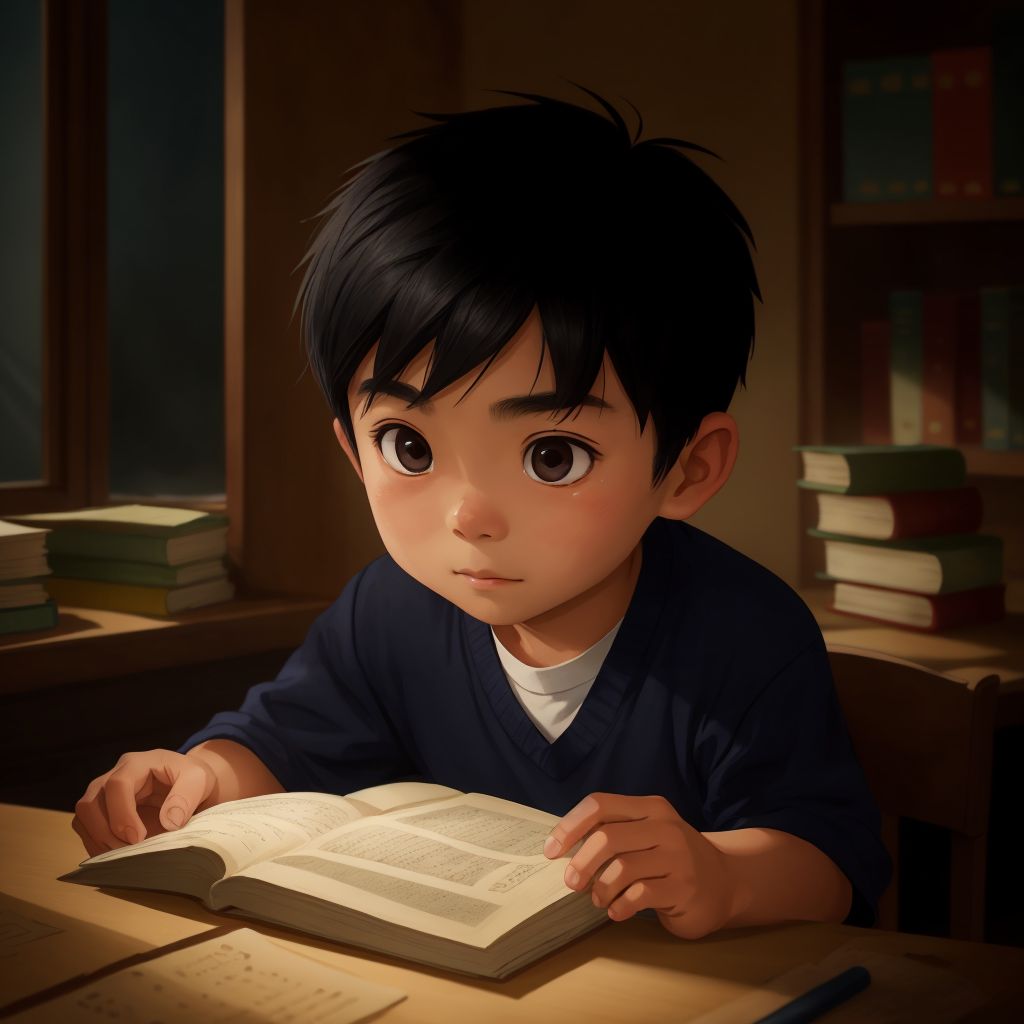
Jake discovers a mysterious book hidden in the back of the classroom library that transports him to a fantastical world where he learns valuable lessons to carry into 5th grade.

A cryptocurrency financial advisor
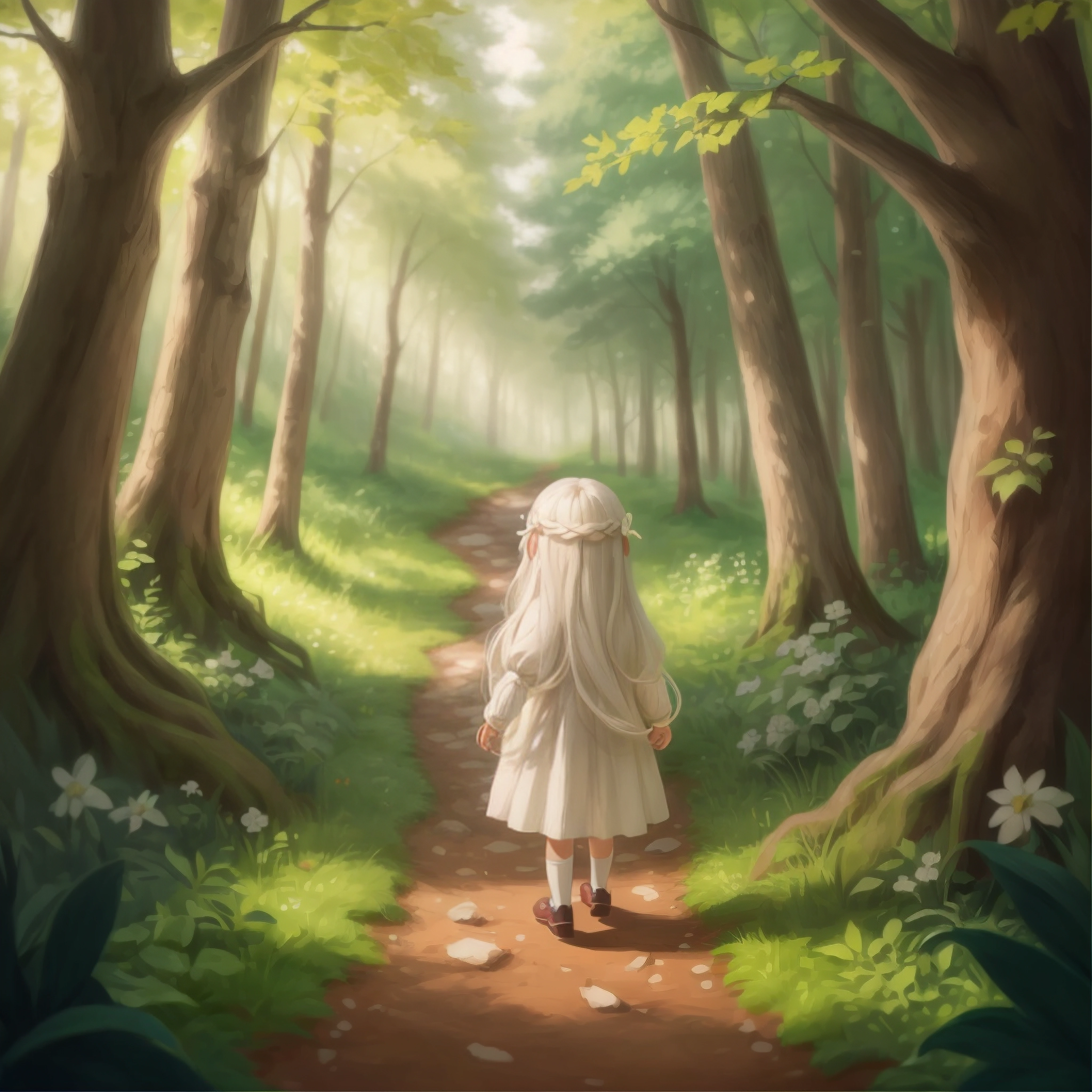
A little girl is lonely and she discoveries a fairy forest and has an incredible adventure
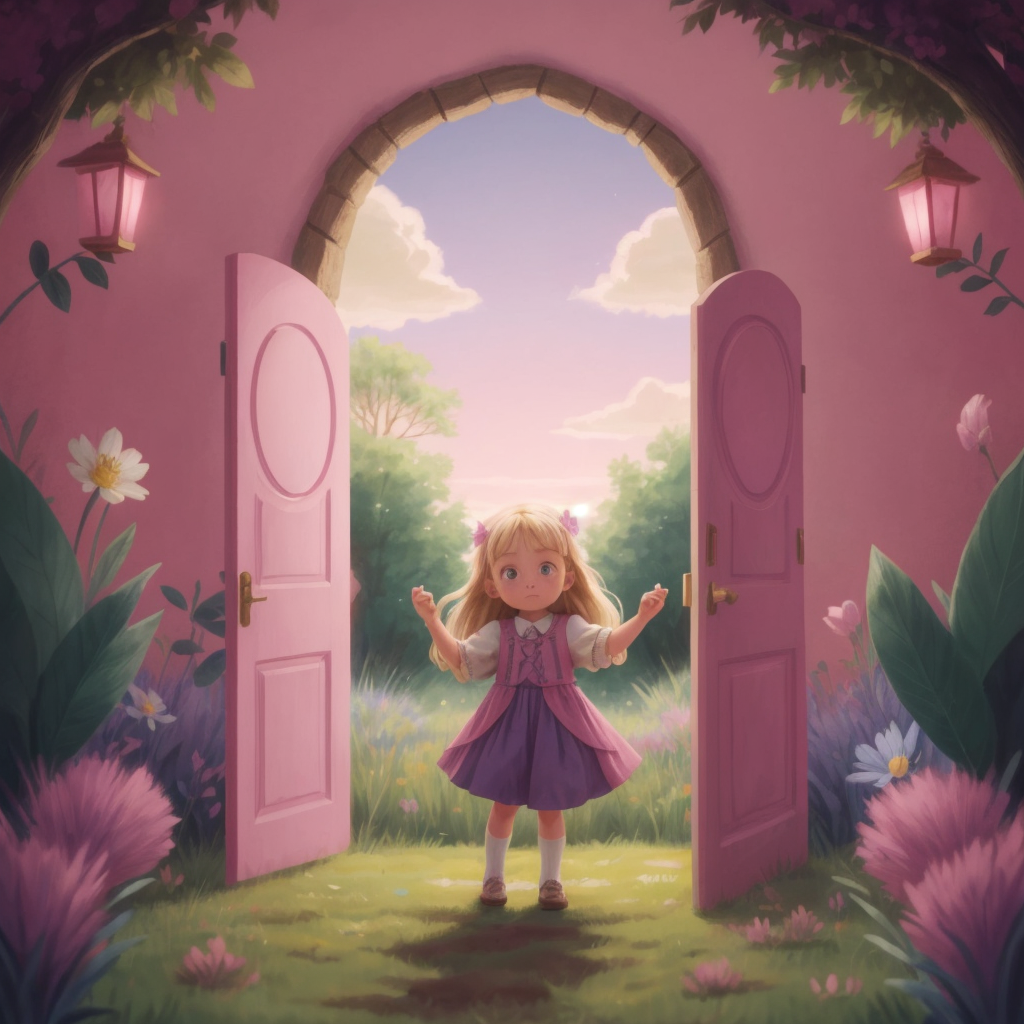
A adventure that takes Estella through a magic door where she gets to play with her grandma who is a little girl like her

a pink bear balloon is lost from his friends he fasses a lot of challenges while finding them and when the monkey were teasing him a little girl saves him he was not happy with herso she took him back to his old house and to old friends
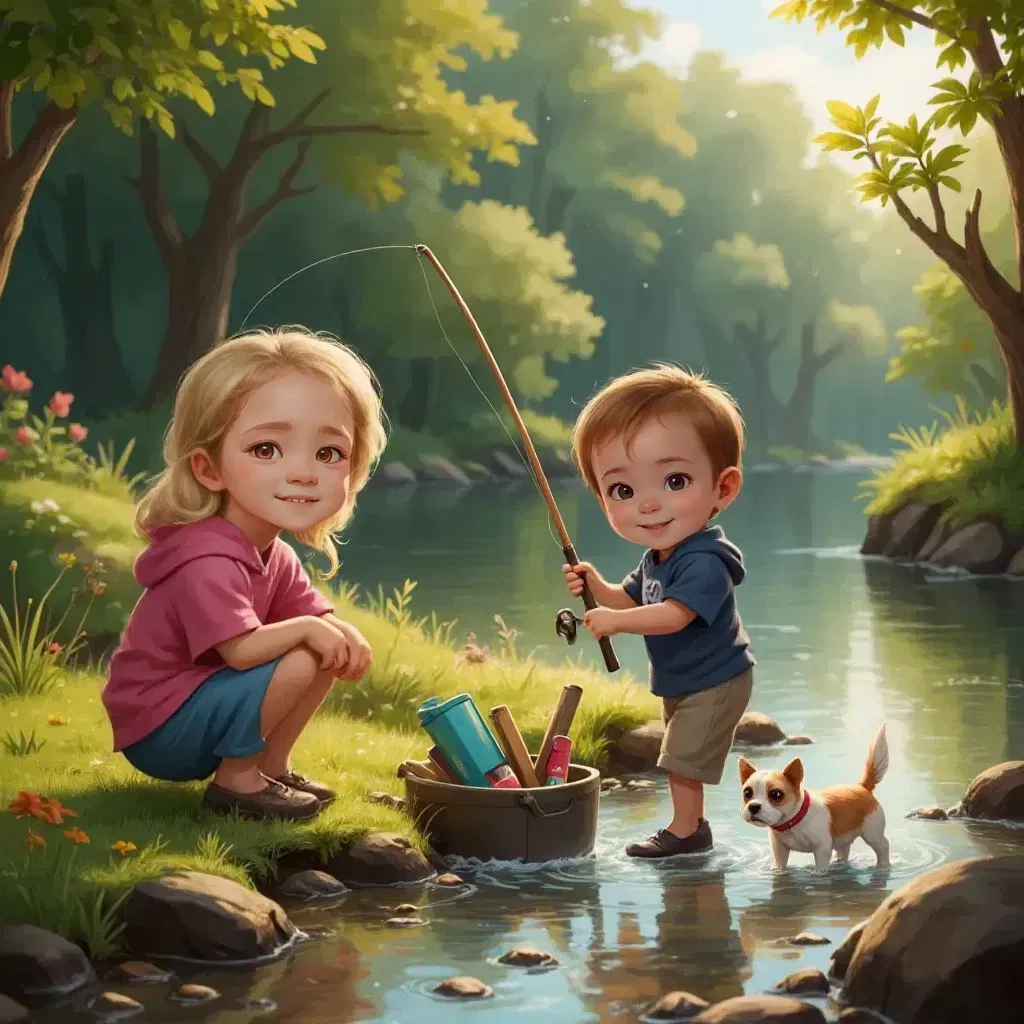
Once upon a time, there were two children named Audrey and Daniel. Their dad loved fishing more than anything! One sunny day, Dad packed up his fishing gear and took Audrey, Daniel, and their Jack Russell terrier, Butch, down to the creek for a day of fishing fun. Butch, of course, was excited for a swim. Dad helped Audrey and Daniel set up their fishing lines. First, Audrey caught a small carp! She was so excited, she jumped up and down. Then, Dad hooked the biggest fish Audrey and Daniel had ever seen – a huge cod! He shouted to Daniel, "Grab the net!" The 4kg cod was a monster! "Fish and chips tonight!" Audrey exclaimed. Poor Daniel! The fish kept stealing the bait right off his hook. Hours passed, and Dad and Audrey caught lots of fish. They started to pack up, but Daniel was determined. "Even if I have to stay all night," he declared, "I'm going to catch a fish!" Just then, Daniel's line started to zip! "Get it! Get it!" Dad yelled. Daniel pulled and pulled, and up came a beautiful barramundi – almost bigger than Daniel himself! He had caught the biggest fish of the day! Dad was super proud of Audrey and Daniel. They were fishing masters! They went home smelling strongly of fish. "You better go clean up!" Mum said, "I'm not letting those stinky fish monsters back in the house!" After a good scrub, it was time for dinner. Dad cooked the delicious fish on the barbie, and told them stories of his amazing fishing adventures. He promised their next trip would be on a boat! Audrey and Daniel couldn't wait for their next big fishing adventure with their dad.
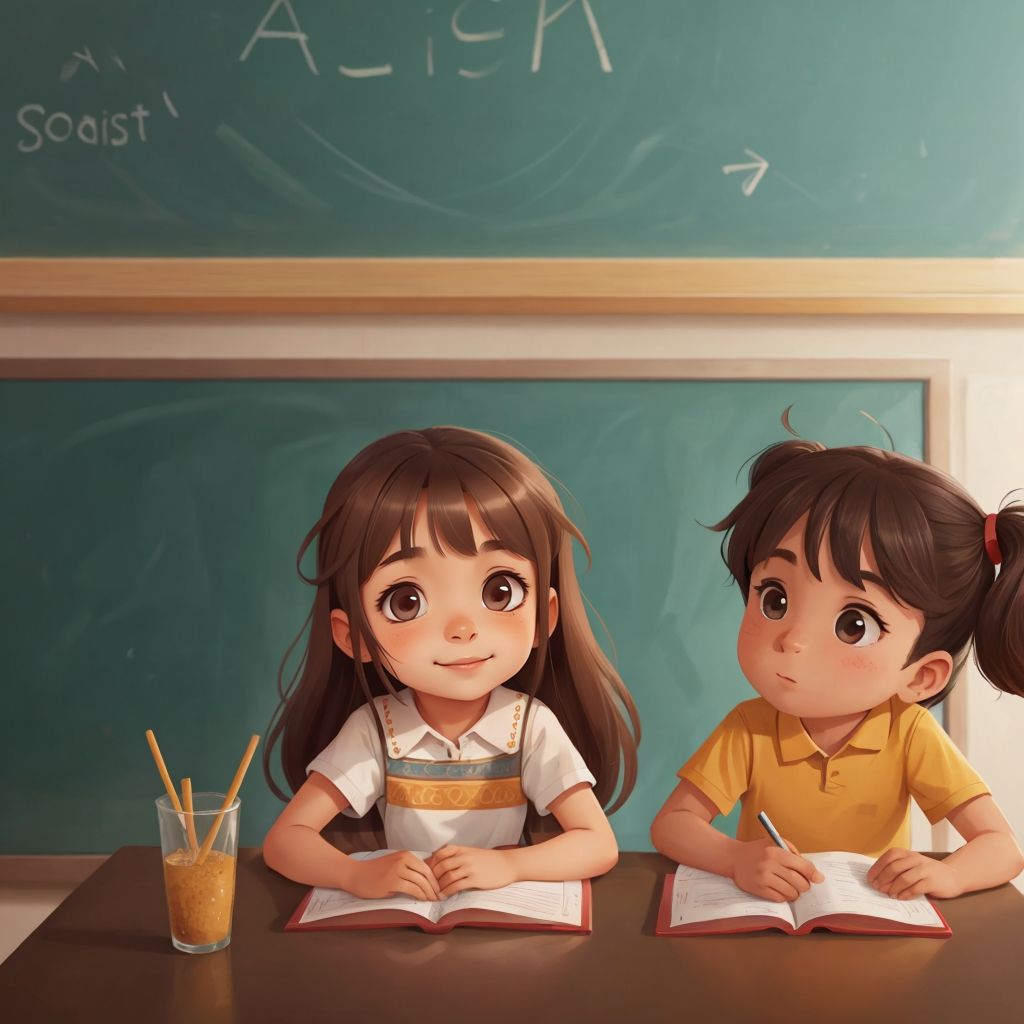
“The ABCs of Kindness” is a beautifully illustrated alphabet storybook that introduces young readers to the most important values of humanity, one letter at a time. Each letter highlights a key trait or value—from Acceptance and Bravery to Unity and Zeal—that helps children understand the power of kindness, compassion, and respect in our diverse world. Through simple yet meaningful descriptions, this book encourages children to embrace these values in their everyday lives, making the world a brighter, more caring place.
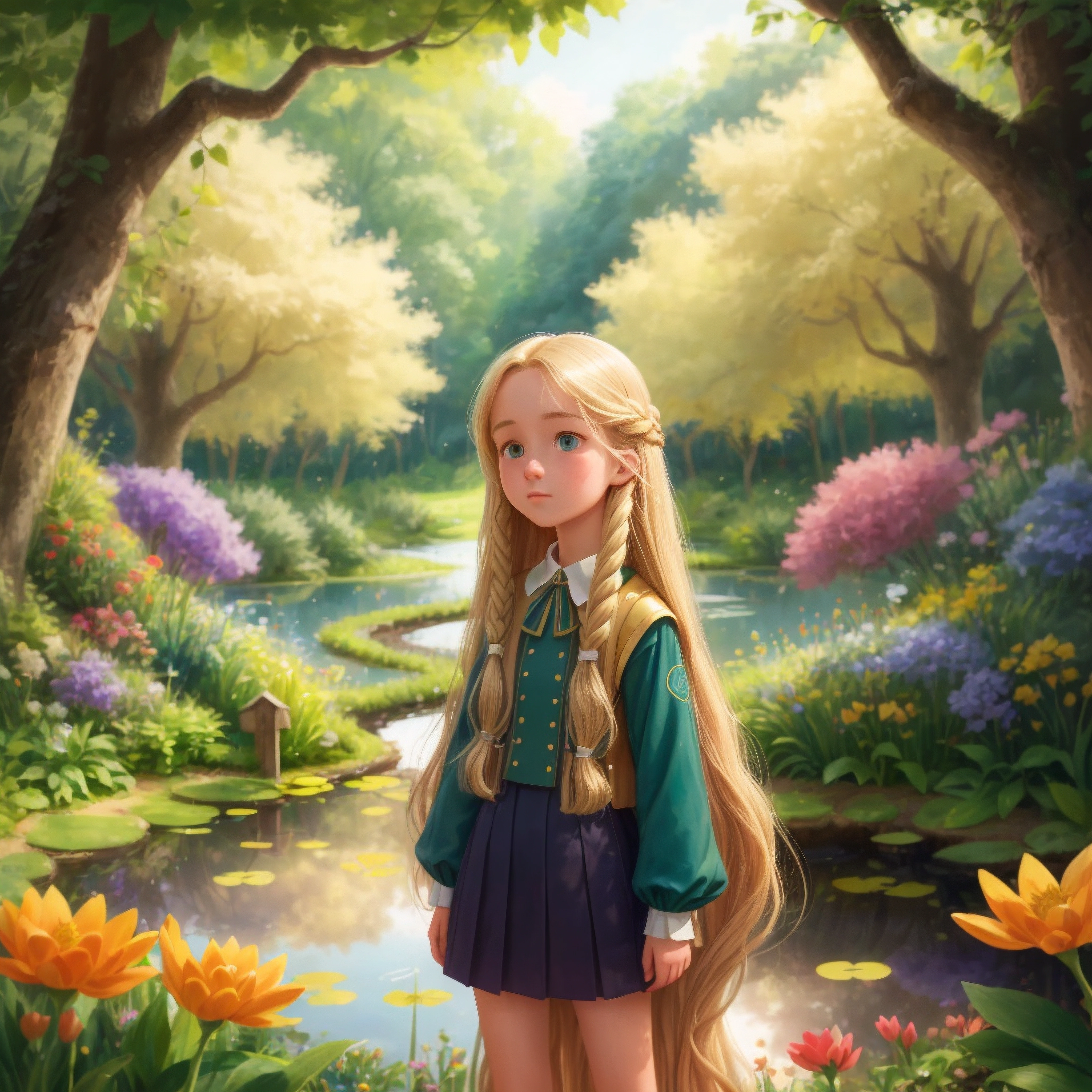
Introduction of the Protagonist: Establish the main character, Lily, as a curious and adventurous young girl living in a small village surrounded by nature.
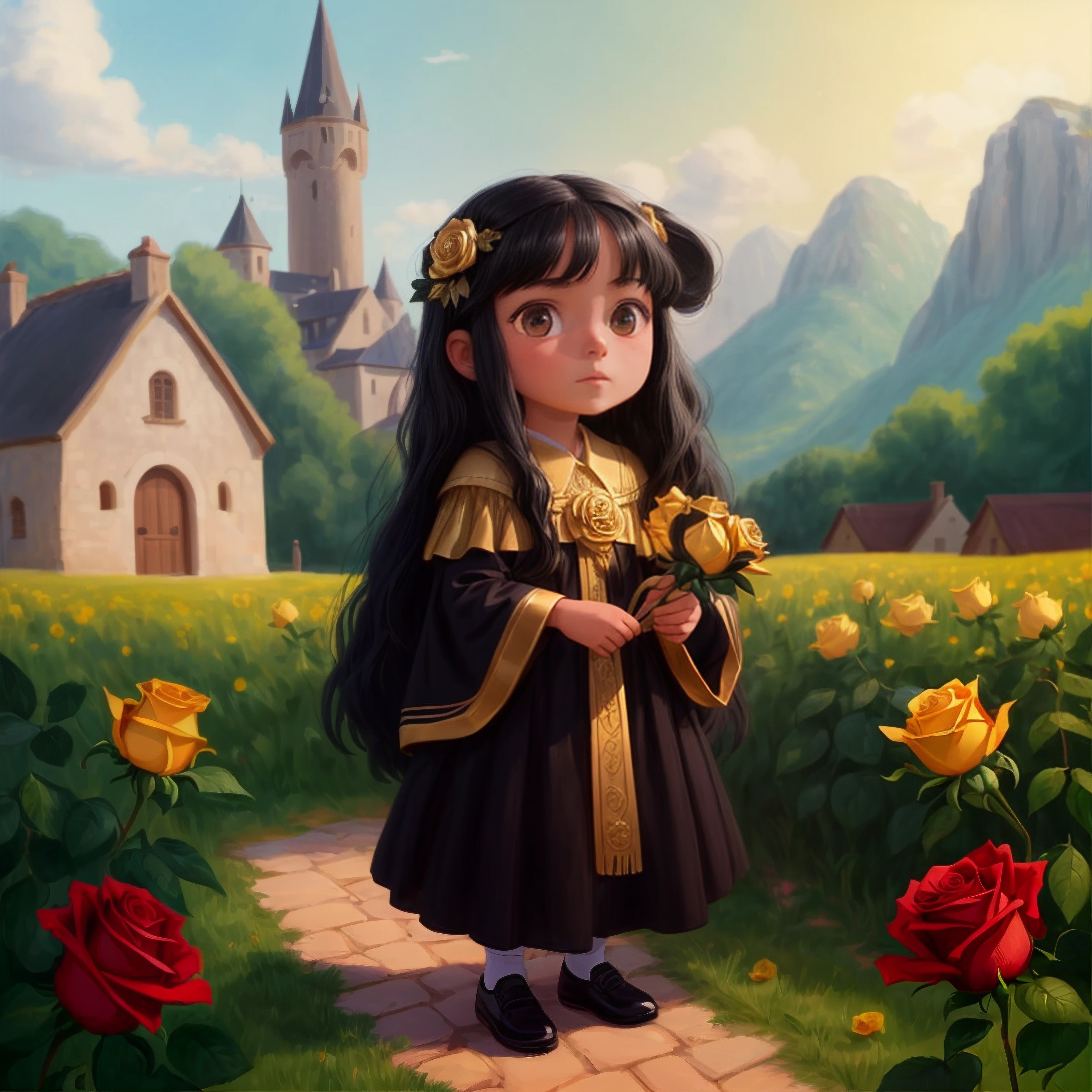
W malowniczej wsi Love mieszkała księżniczka Kinga, która kochała złotą różę o imieniu Rose. Gdy nastała susza, a Rose zaczęła usychać, Kinga postanowiła walczyć o jej życie. Codziennie pieszo nosiła wodę z dalekiej studni, oszczędzając wodę pitną dla królewskich koni. Jej determinacja i miłość sprawiły, że róża wróciła do życia, ucząc księżniczkę, że miłość potrafi pokonać nawet najtrudniejsze wyzwania. Kinga stała się jeszcze bardziej opiekuńcza i pełna miłości.

"Stellar Odyssey: Journeys of the Little Light" is an enchanting tale of adventure and discovery in the vastness of the cosmos. Follow the journey of a small but curious starlight named Little Light as he ventures beyond his own star to explore the wonders of the universe. Along the way, he encounters mysterious beings, uncovers ancient secrets, and learns valuable lessons about friendship, courage, and the power of dreams. Join Little Light on this magical odyssey filled with awe-inspiring sights, heartwarming encounters, and unforgettable adventures.
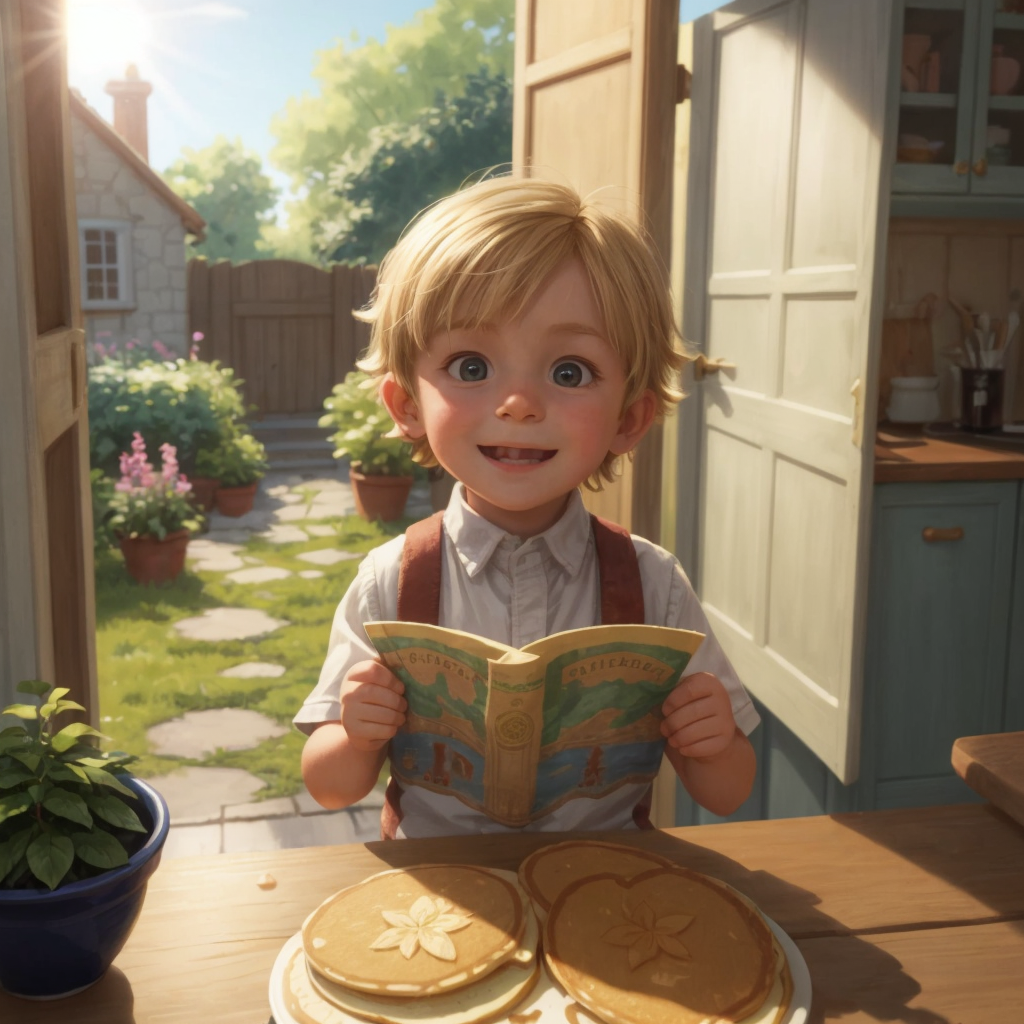
The boy's name is Alex. He is 8 years old. At the tender age of 8, Alex had a heart full of wonder and eyes that sparkled with excitement. His days were filled with the laughter of friends, the warmth of family, and the endless possibilities that awaited him just beyond his front door. One sunny morning, as the golden rays painted the sky, Alex woke up with a feeling of anticipation bubbling within him. Little did he know, this day would mark the beginning of his extraordinary adventures.

This is a children's book about a group of 4 best friend ocean explorers who call themselves The Seabirds. They're all girls, ages 6, 10, 10 and 14 and live in a coastal town named Blue Harbor. They spend every day after school in their tree house hideout which overlooks the ocean as they plan the afternoon's adventure. They love nature and want to protect it, building friendships based on exploration, the ocean, adventures, and asking questions about conservation and pollution of each other. They are like a team of climate saving, pollution fighting explorers who build solid friendships with each other. this will be part of a larger series called The Seabirds and each book will explore tackling different environmental problems like microplastics, ocean acidification, etc. This is the first book in the series.

Yara, an adventurous girl, stumbles upon a magical land where coins shimmer like stars. Intrigued, she discovers that each coin holds a lesson about budgeting and making wise choices. Guided by whimsical characters like Penny the Wise and Dime the Thrifty Troll, Yara embarks on a journey to master the art of managing her magical coins. Through enchanting adventures and challenges, she learns valuable lessons about saving, spending wisely, and making budget-friendly decisions. "Yara's Money Adventure: A Journey Through Budgetland" is a delightful tale that combines magic and practical financial wisdom, teaching young readers the importance of responsible money management in a fun and relatable way.
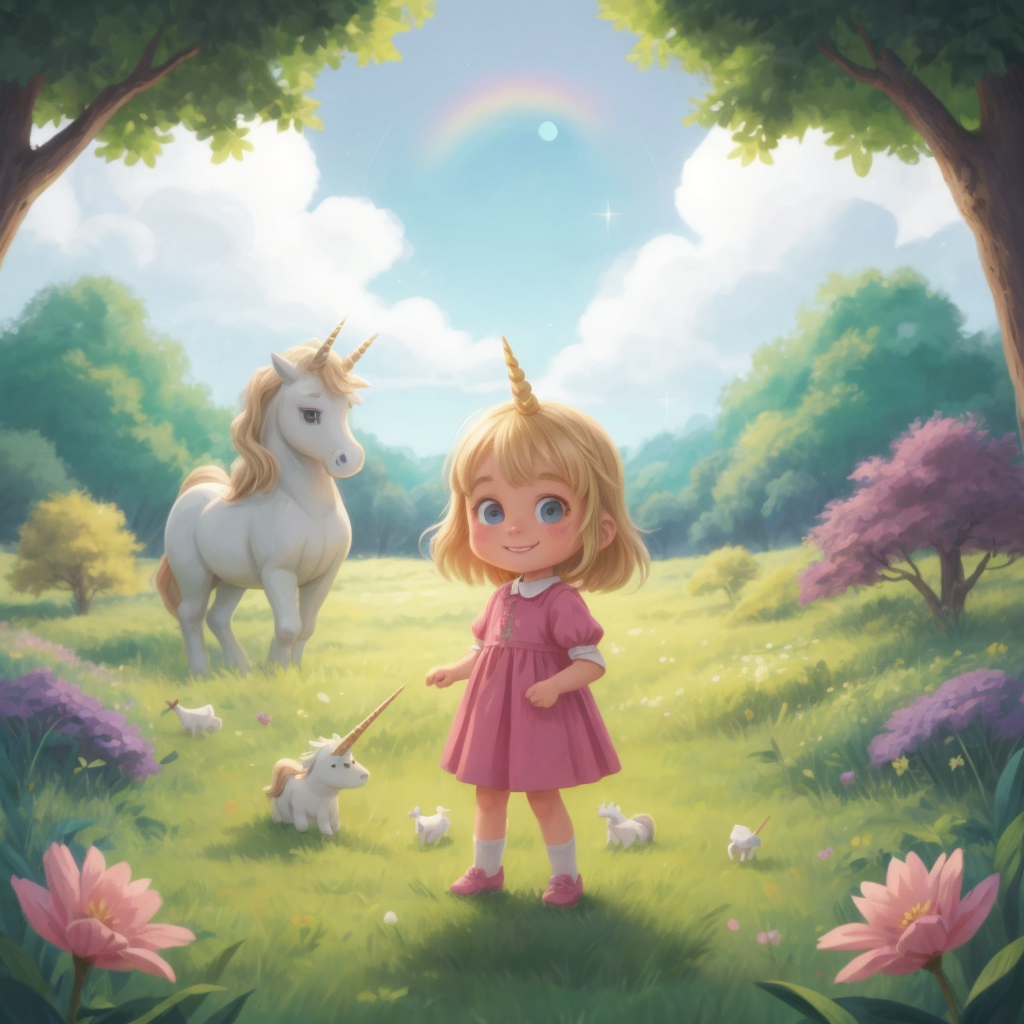
A boy who is learning about how Frankie is different from him but loving him any way
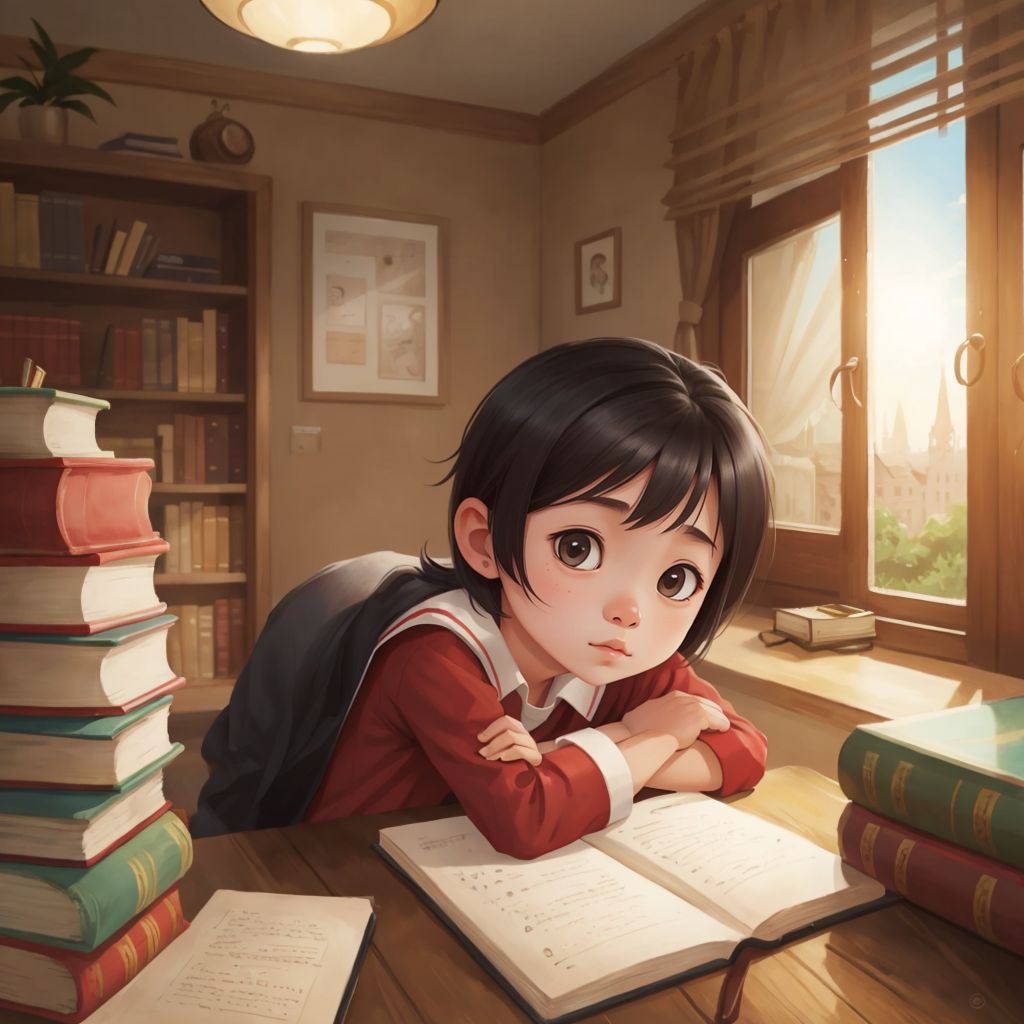
In a small town, there lived a little girl named Maria Clara a.k.a "Klay". She was kind and thoughtful, but she had a fear that kept her from being close to others. She believed no one would ever accept her for who she was. To avoid feeling lonely, she spent most of her time at the local library, diving into books.
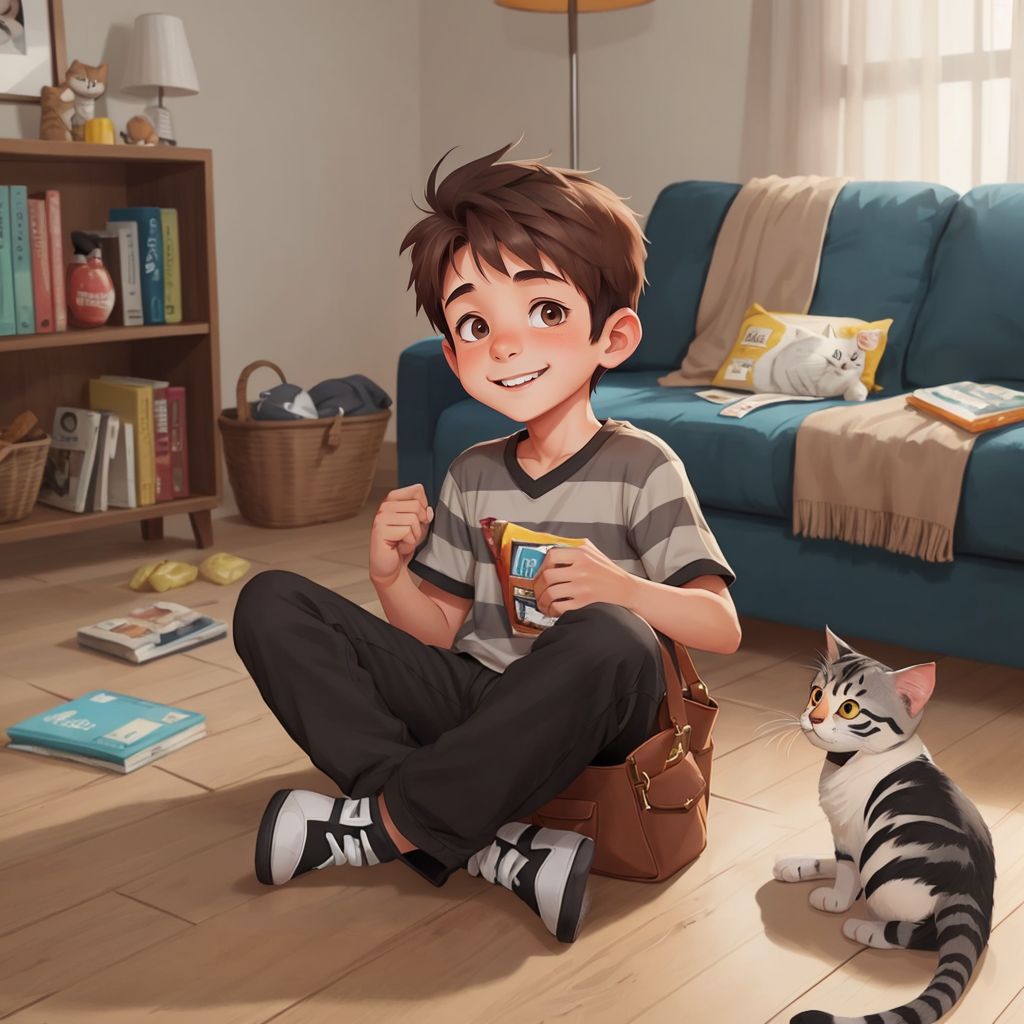
CHELI LA GATA Y BRANDON FUERON A LA PLAYA A JUNTAR CONCHITAS

In the want town of Tinkerton nestled amidst fields and forests lived a furry rascal named Spud. Spud wasn’t your ordinary dog, he was a master of mischief!
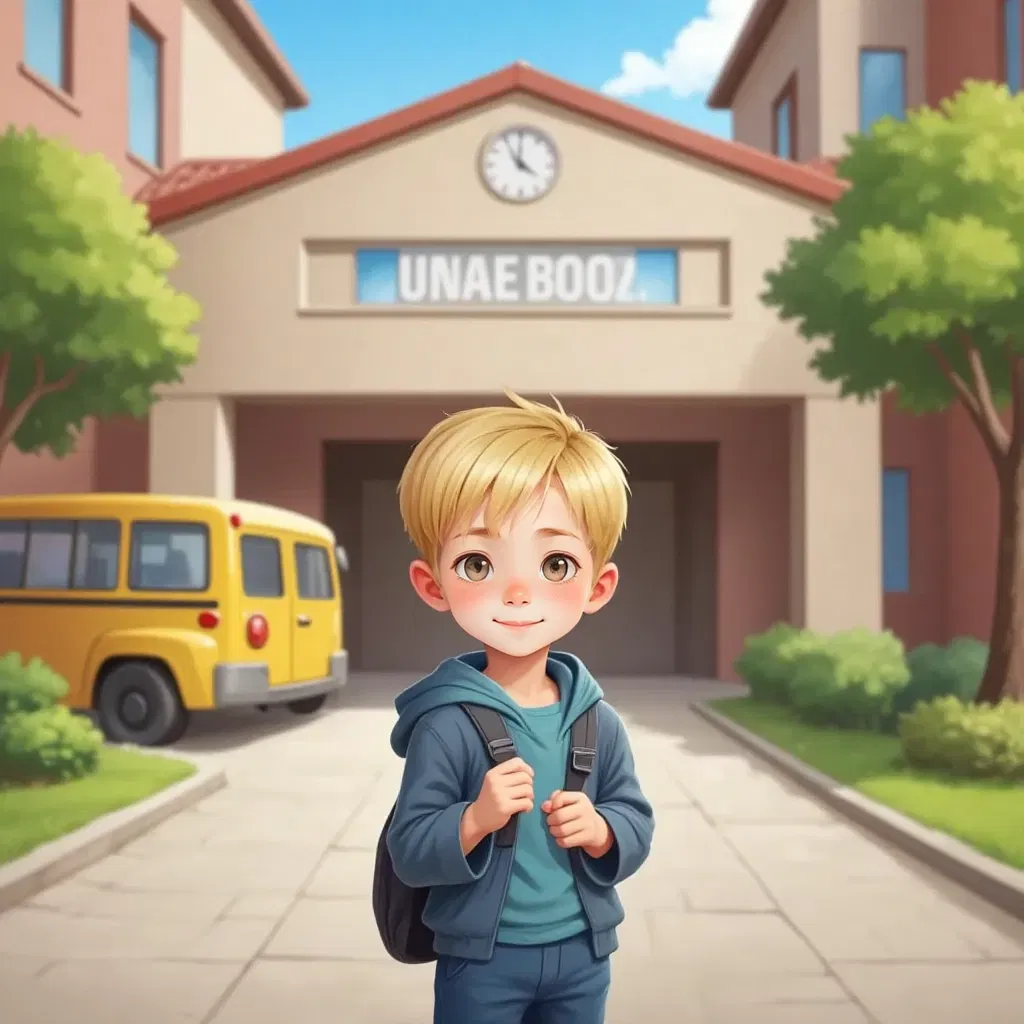
Arlo learns the valuable lesson of why students follow the instructions of their teacher so that they may learn and be safe at school.

Grandma’s Volcano Story Vika loved asking Grandma questions. Grandma always had great answers! “Grandma, how did the volcano get there?” Vika asked. Grandma smiled. “The Earth has big rocks under the ground. These rocks move, like boats on water. When two rocks crash together, hot liquid called magma comes up. This makes a volcano!” Vika thought about boats bumping—Splash! She could see it in her mind. “When a volcano erupts, hot lava comes out,” Grandma said. “Smoke, rocks, and ash fly in the air. That is why we must be careful.” Vika looked at the volcano near her village. Sometimes she saw smoke. “When the volcano erupts, the hot gas and lava push through a hole on top. This hole is called a crater,” Grandma explained. Vika listened. Grandma was very good at explaining things! “Did you see a volcano erupt, Grandma?” Vika asked. “Yes,” Grandma said. “When I was little, the volcano near our village erupted.” “What did you do?” Vika asked. “We stayed inside and closed all the windows and doors. Then, our village leader told us to move to a safe place.” Vika imagined Grandma walking to a safe village. She looked at the volcano. It was quiet today, but if it started smoking, she would listen to Grandma!
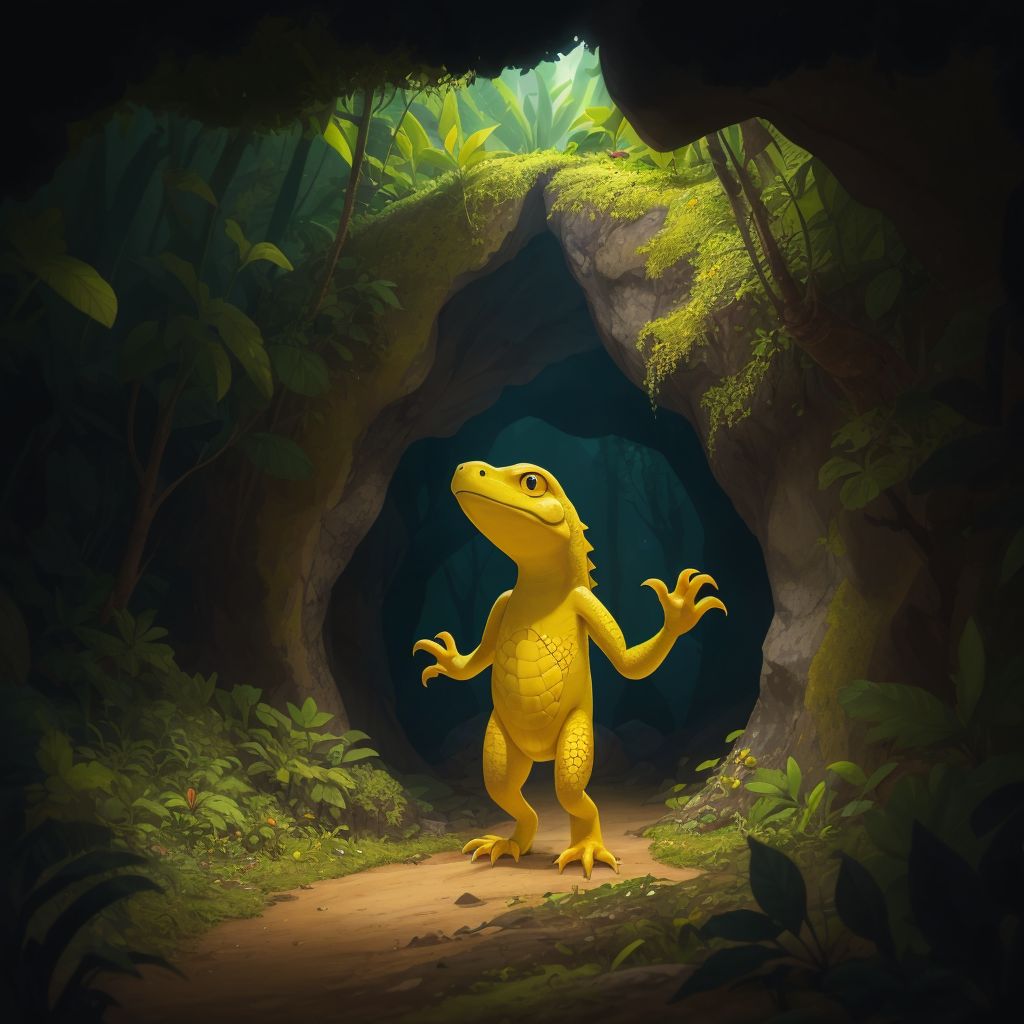
Calanguinho is a very smart and happy little lizard, he and his friends decide to disobey his mother and enter a cave in the forest, and there they run into serious danger, but they manage to escape, and thus learn not to disobey their parents' orders.