 Start Read
 Recommend
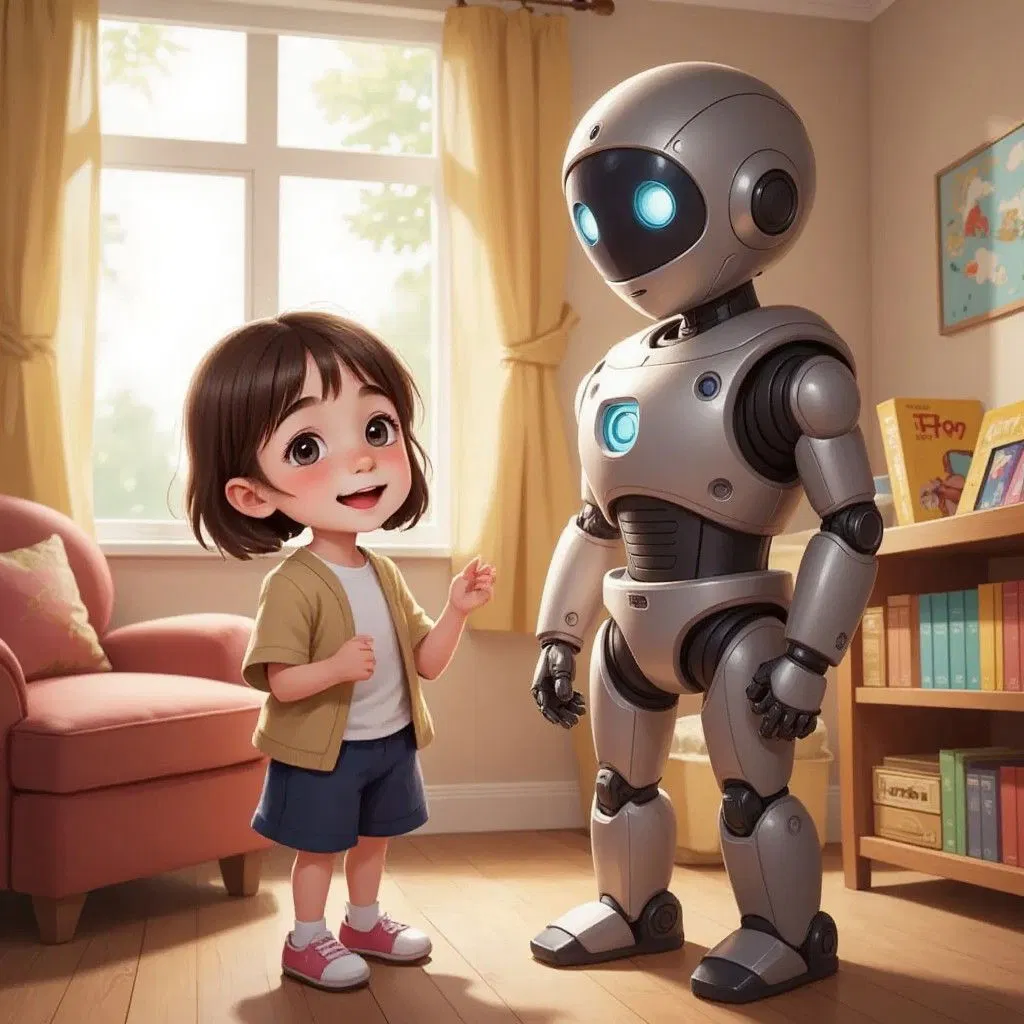
A robot is supposed to help Julia with her everyday tasks, but every time it goes wrong and does the wrong thing! Each time, Julia fixes it so it does the right thing.
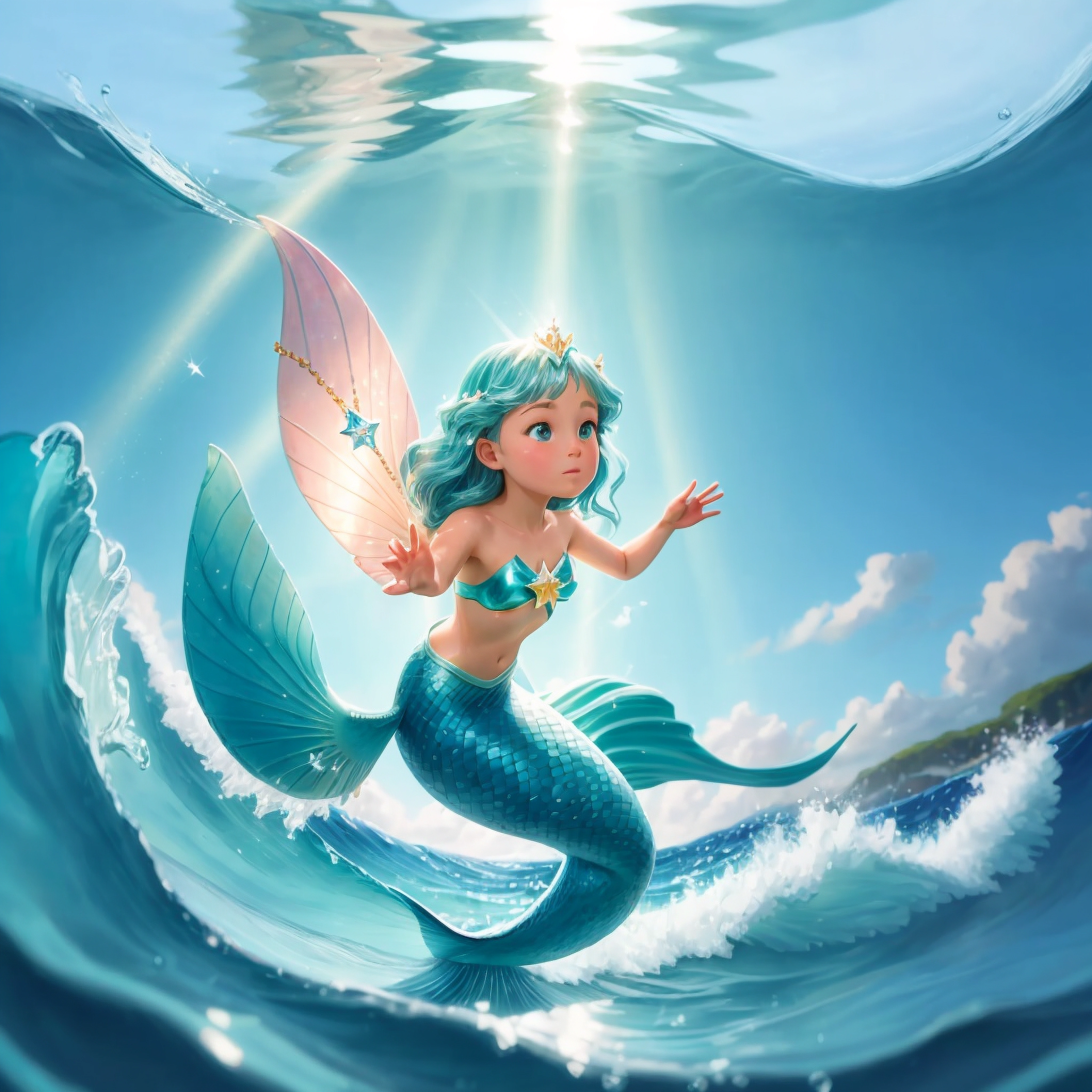
A Mermaid Fairy Princess named NinaBellaSparkleHop travels the ocean with her dolphin friends running into Turtles, and surfing waves with her new friends.
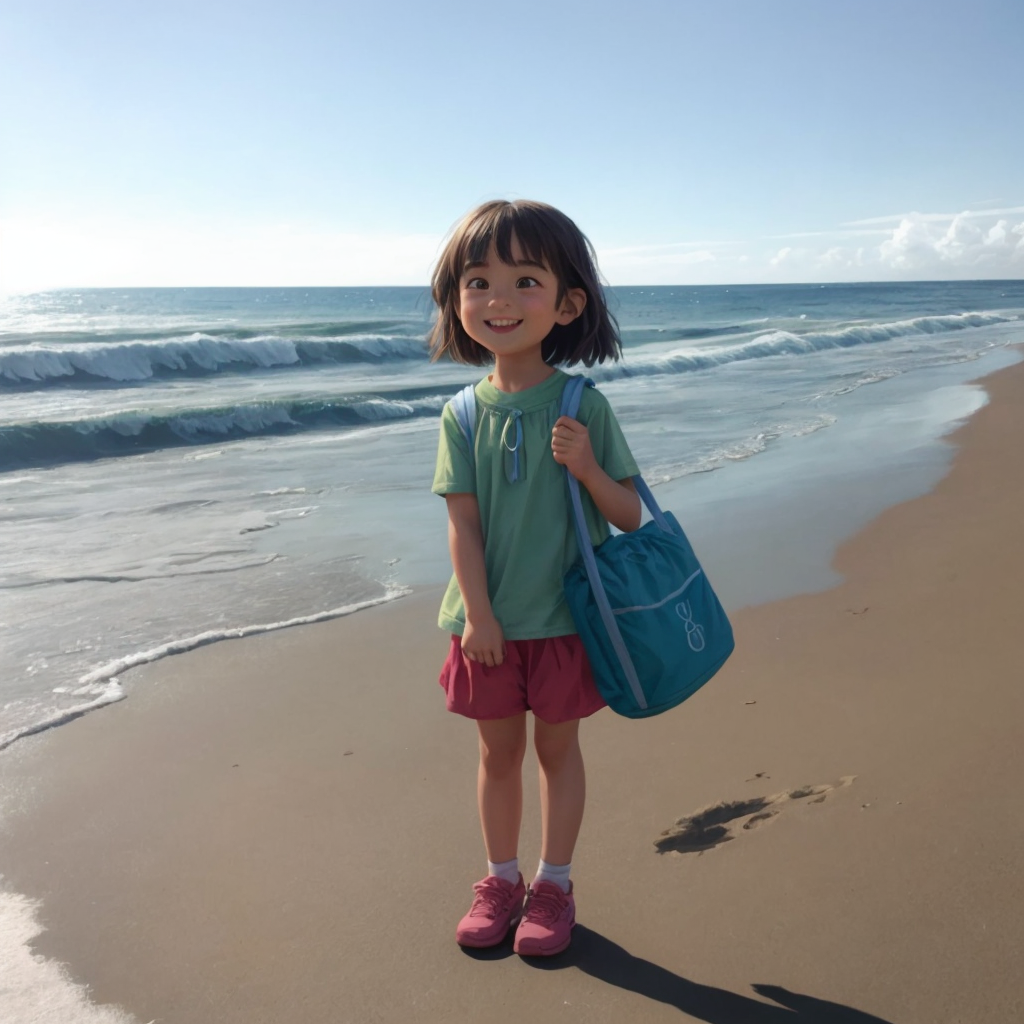
Trinity Goes to the Beach
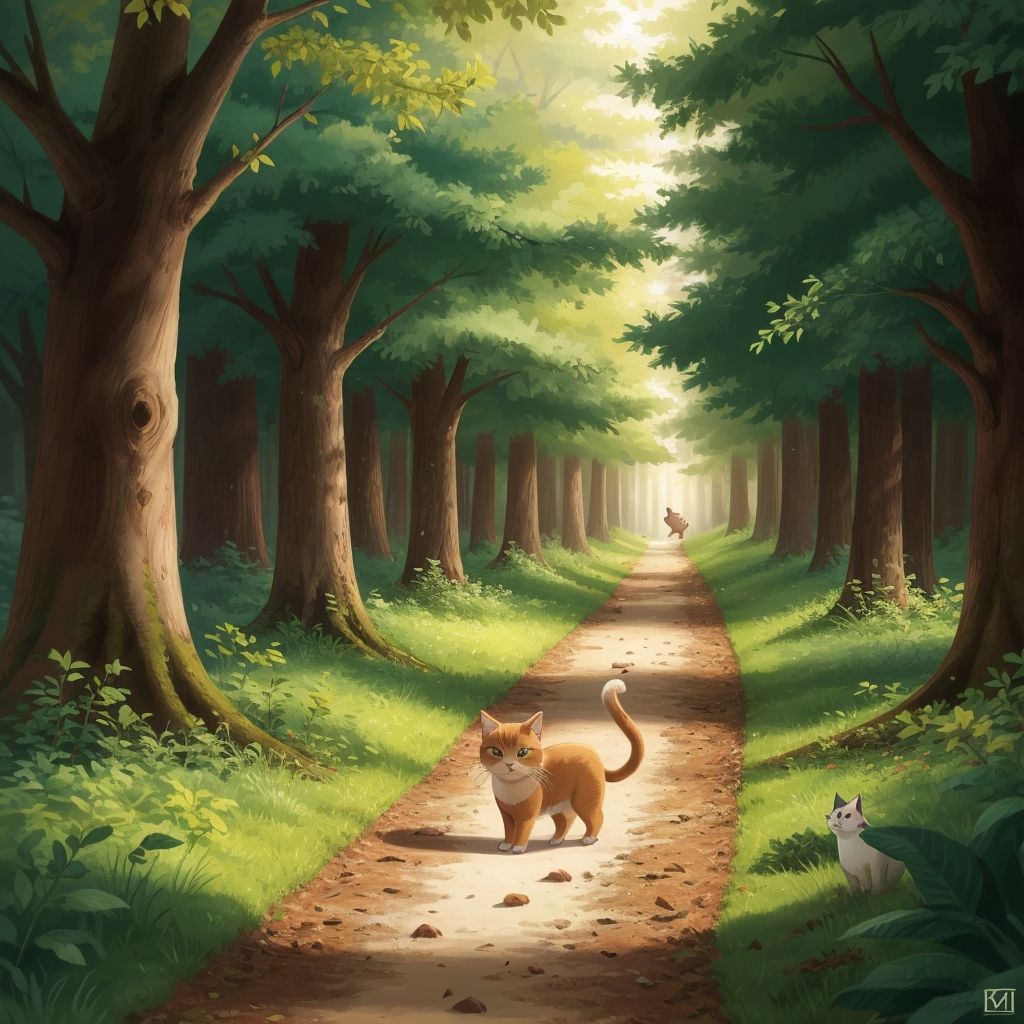
the met a bunny in the Forest
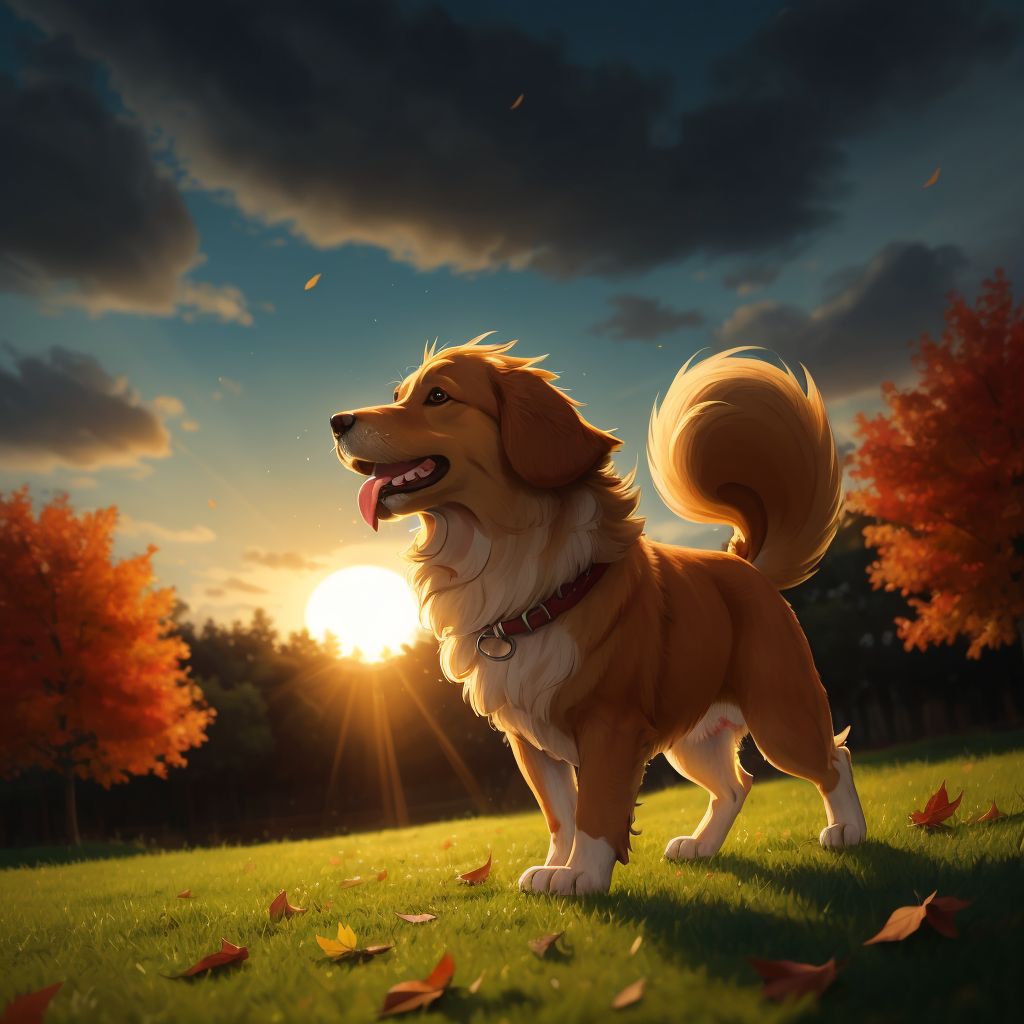
A golden retriever helping a boy in a storm.
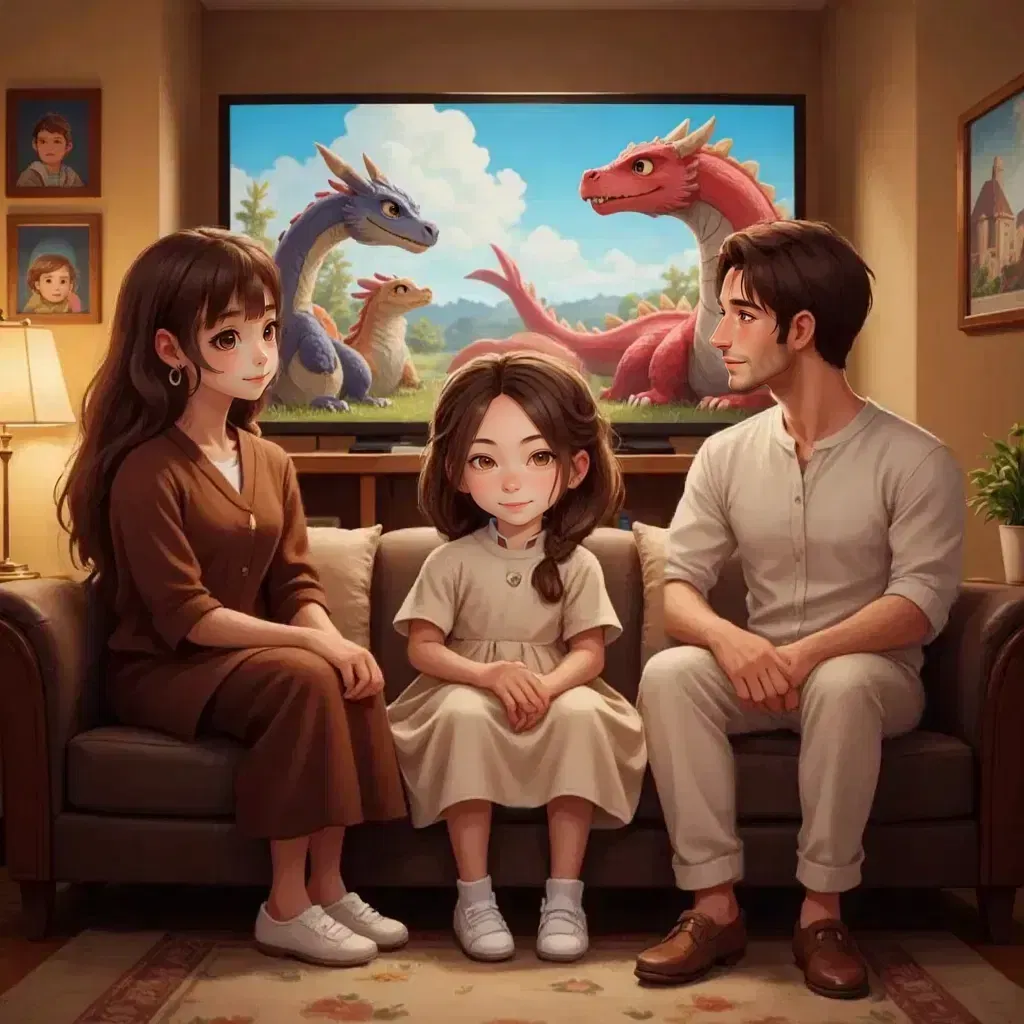
In the evening Lina watching a film about dragon with her parents in the living room and she asked her dad "Dad, I want to meet a dragon" "it's an easy thing, just go to bed and close your eyes then you will meet in your dream" after laying on the bed Lina dreaming, standing in the forest in her dream she meet with a horse "who are you?" asked horse "why can horse talk?" Lina asked "it's in our universe, what are you looking for?" horse asked " I want to meet with a dragon" Lina answered "I'll help you, come" after that horse bring Lina to the horse's basecamp there are many animals like hippo, phoenix and another horses that surrounding by a lot trees "look these are my friends and will be your friend as well" said horse "why your body shape like this? what are you looking for?" asked phoenix "I'm human I want to meet with a dragon" Lina answered "why? dragon are evil, no one wants to be friends with them, I will show you." Phoenix bring Lina to Dragon territorial wants to show Lina how evil dragons are. Phoenix and Lina saw dragon blaming each other don't wants to respect other opinion this reason why other animals don't want to be friend. Phoenix teach Lina if she being selfish, don't want to respect each other, people will leave us and don't want to be friend
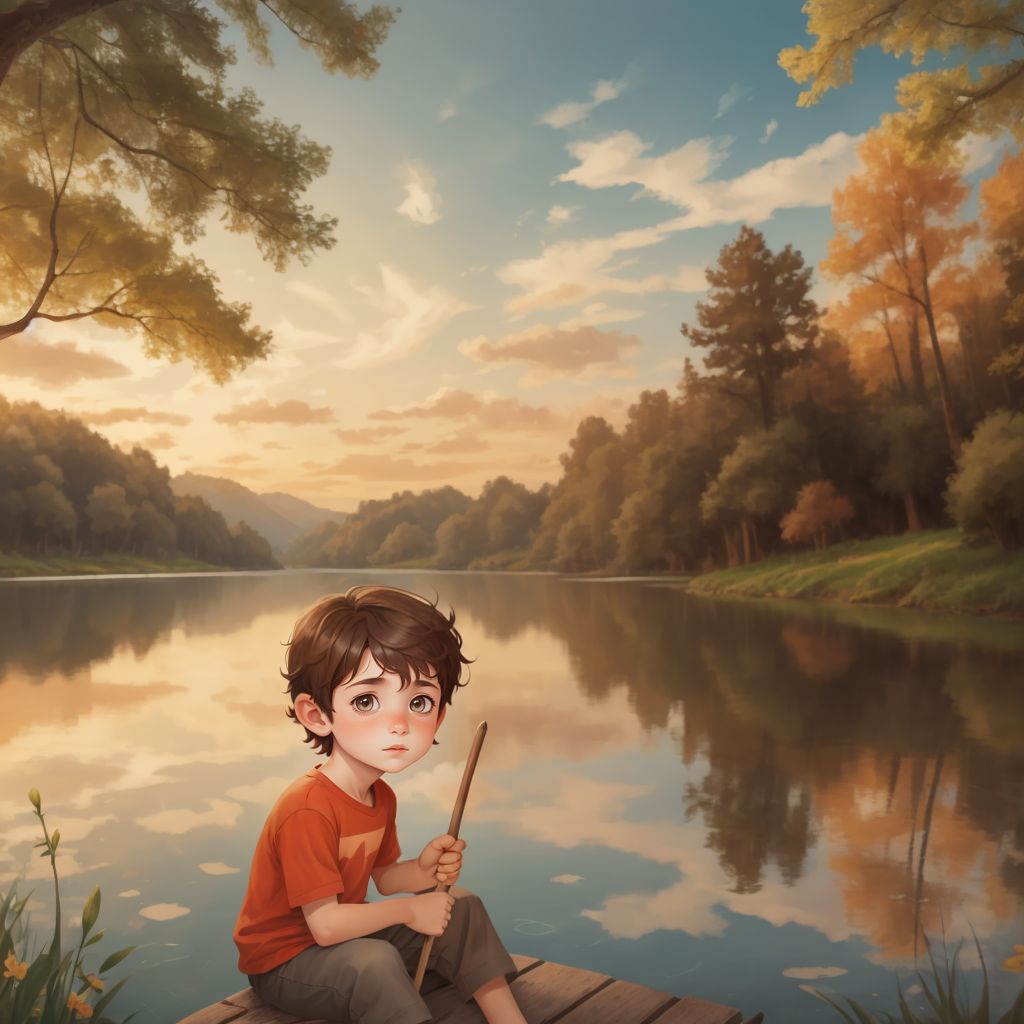
A story about Adrian who likes to fish. One day he catches a gold fish that makes dreams come true.
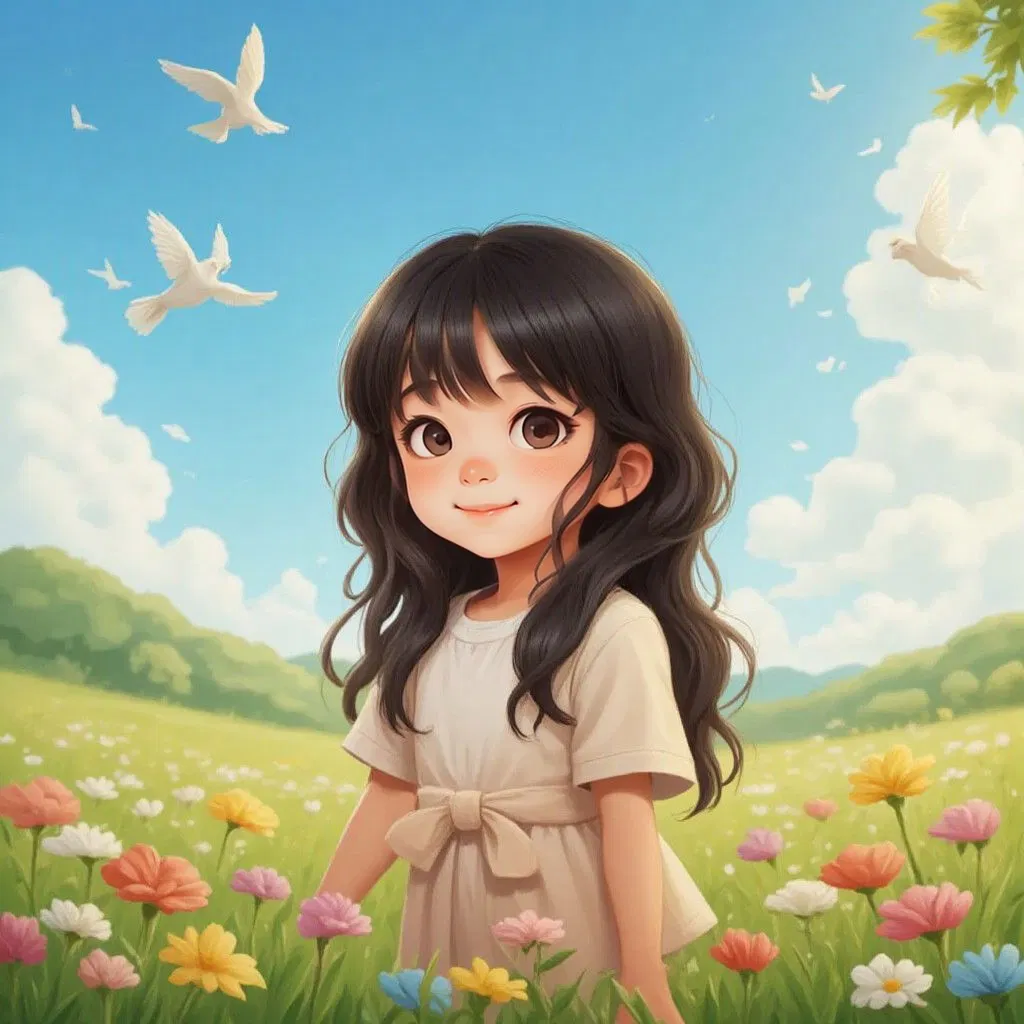
a story about a brave little girl named Lily who overcomes great challenges through determination.
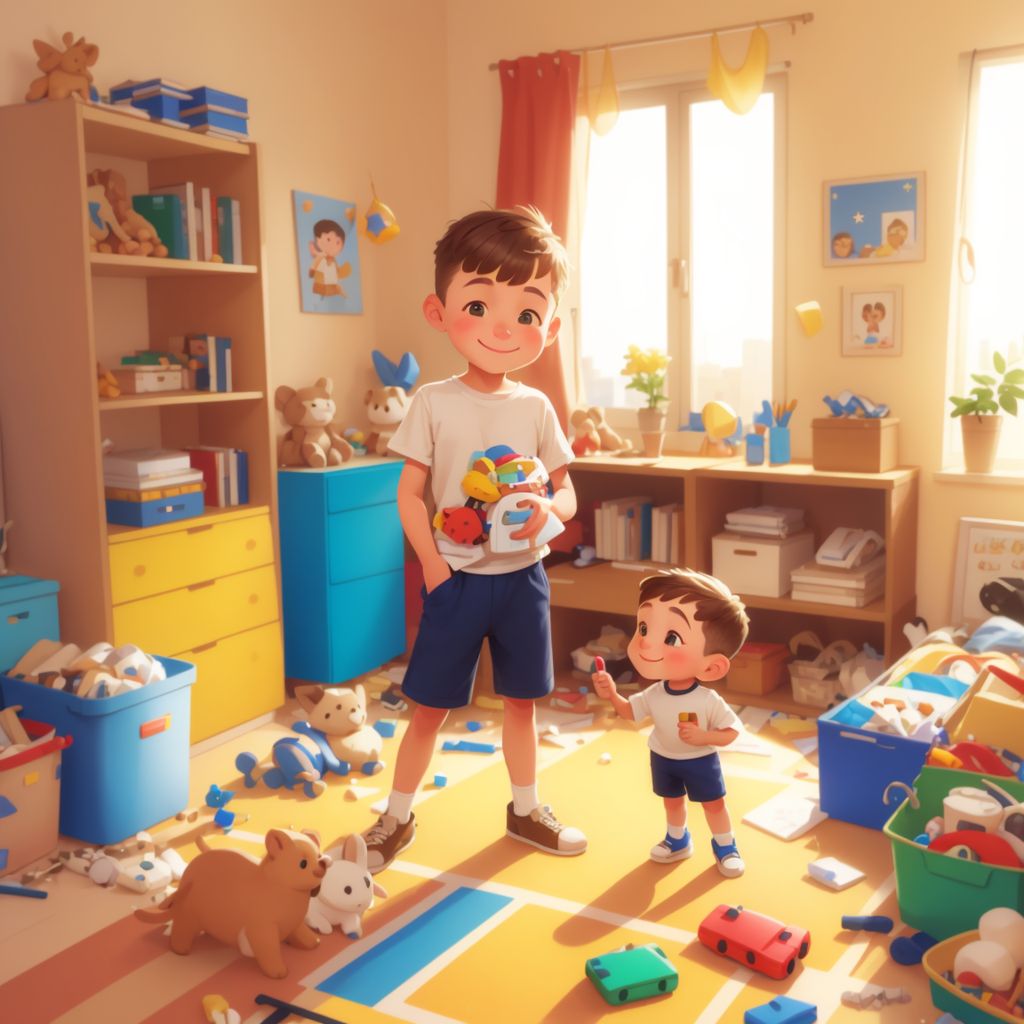
Daddy teaches Cooper why it is important to clean up his toys, and his room so you don't lose anything and to keep the bugs away
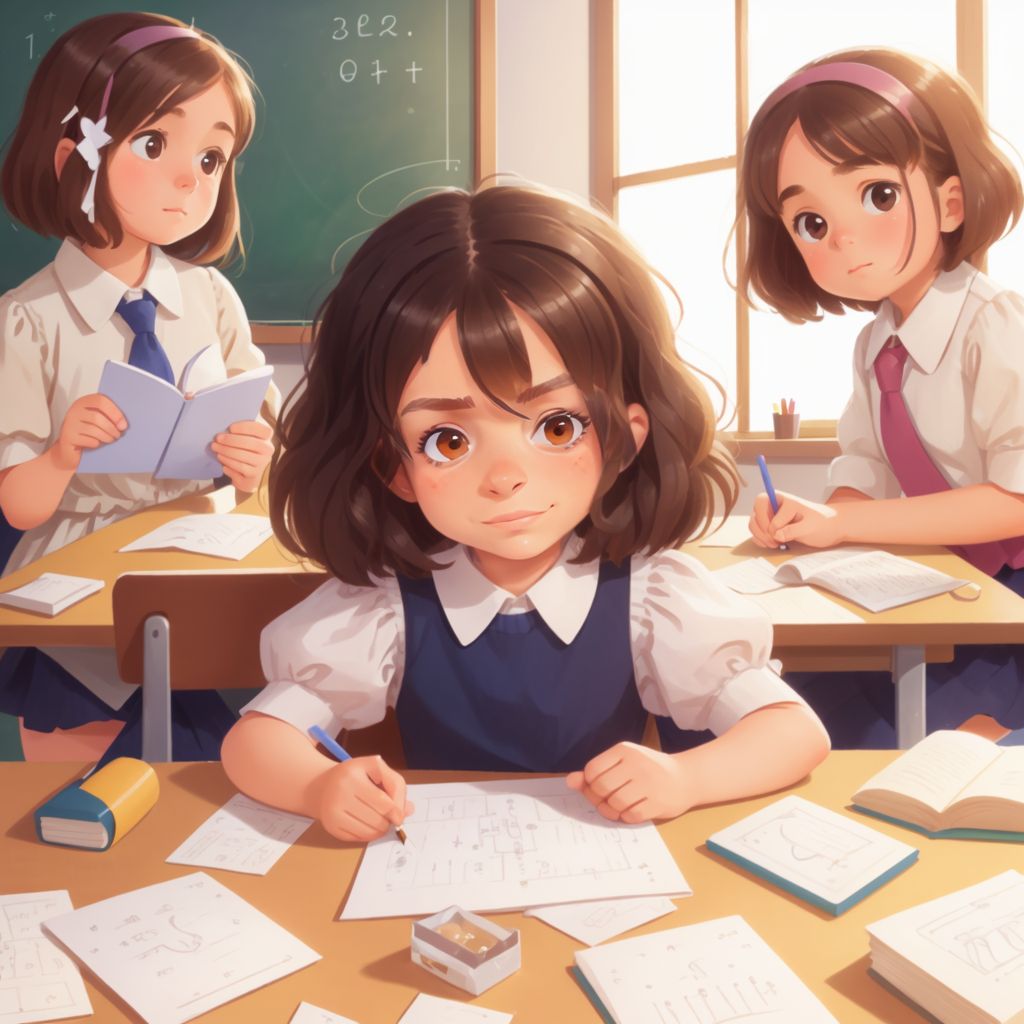
1. Jessica is in 1st grade and struggling with a bad teacher 2. Jessica's teacher does not understand her learning style and makes her hate elementary school 2. Jessica decides she wants to become the type of teacher she never had 3. Jessica learns about working hard and never gives up. She learns about her strengths and weaknesses and gets herself through college. 4. Jessica creates a safe and fun classroom enviornment for 3rd graders where they all learn and grow from each other 5. She plans to use various accommodations, such as text readers and voice-to-text tools, to support students with diverse learning needs. By adopting universal design for learning principles, I aim to ensure that all students have access to the curriculum and can thrive in the classroom.
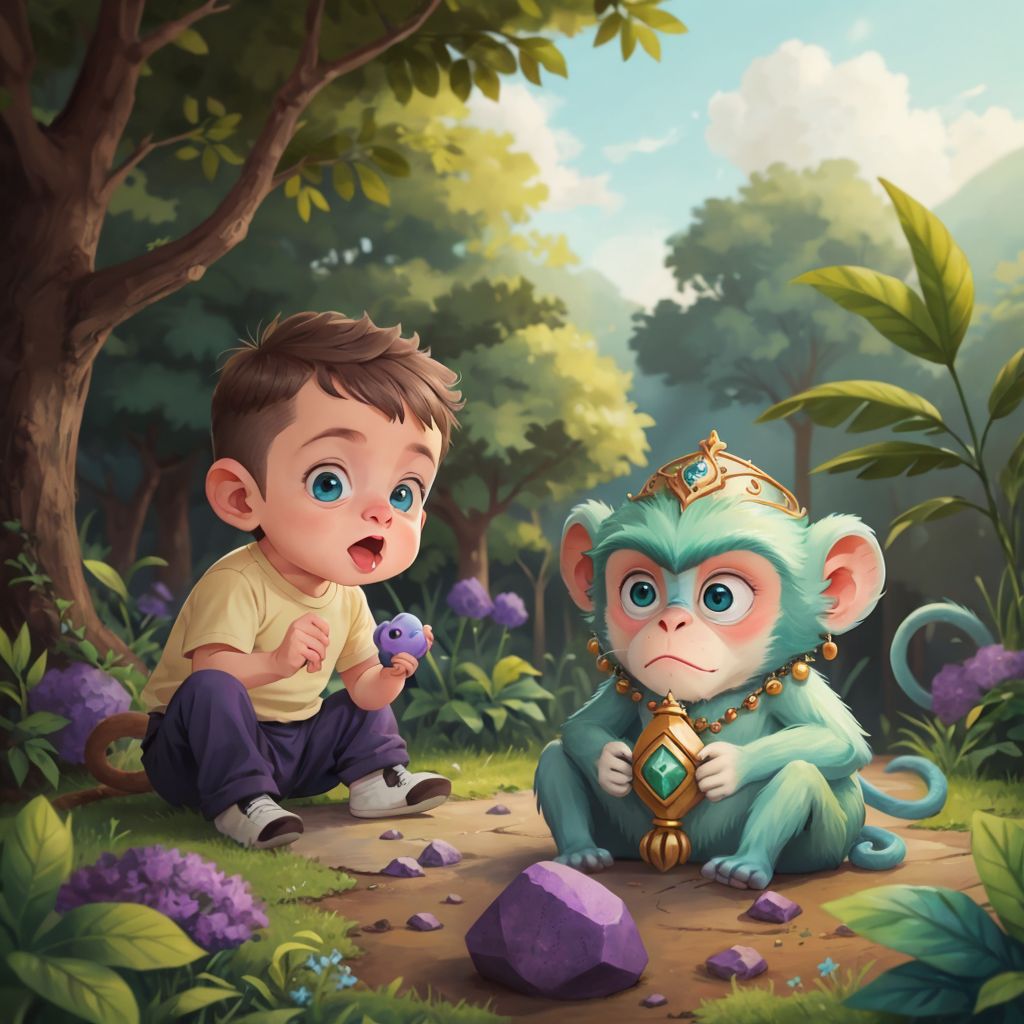
1. John Jr and Vasi was exploring around outside. They would occasionally stop to greet people. Vasi finds a peculiar purple rock. 2. John Jr uses his phone to try to identify this rock. It appeared to be 'a stone of tomorrow. John Jr saw some steps to follow to activate the stone. John Jr and Vasi wondered what would happen. 3. John Jr followed the instructions and would chant anything needing to be said together. They completed the last step and all the sudden the stone glowed brightly and became warm. 4. They then felt a weird feeling in their body. A before they knew it they was in a strange place. People looked and did things very differently than what they was used to. 5. People was zooming pass John Jr and Vasi in spaceships. Everyone they saw were dressed funny in plastic clothes. The oddest thing to John Jr and Vasi is the fact that people no longer spoke to each other. Instead they used a combination of sign language and telepathy. John Jr and Vasi started to check out the place. 6. They found a sign for an upcoming carnival on June 28, 2044. John Jr and Vasi was intrigued. Life was very different than what they had known, which made them a bit scared. 7. John Jr looked up for something to help him and Vasi return back to normal. John Jr found some steps for a reversal. John Jr and Vasi carefully followed steps. The stones became cold and with a blink of an eye, they were safely back in their neighborhood. 8.. John Jr and Vasi was glad to see a glimpse of the future, but had no desire to return. They took the stone home and put it on their shelf.
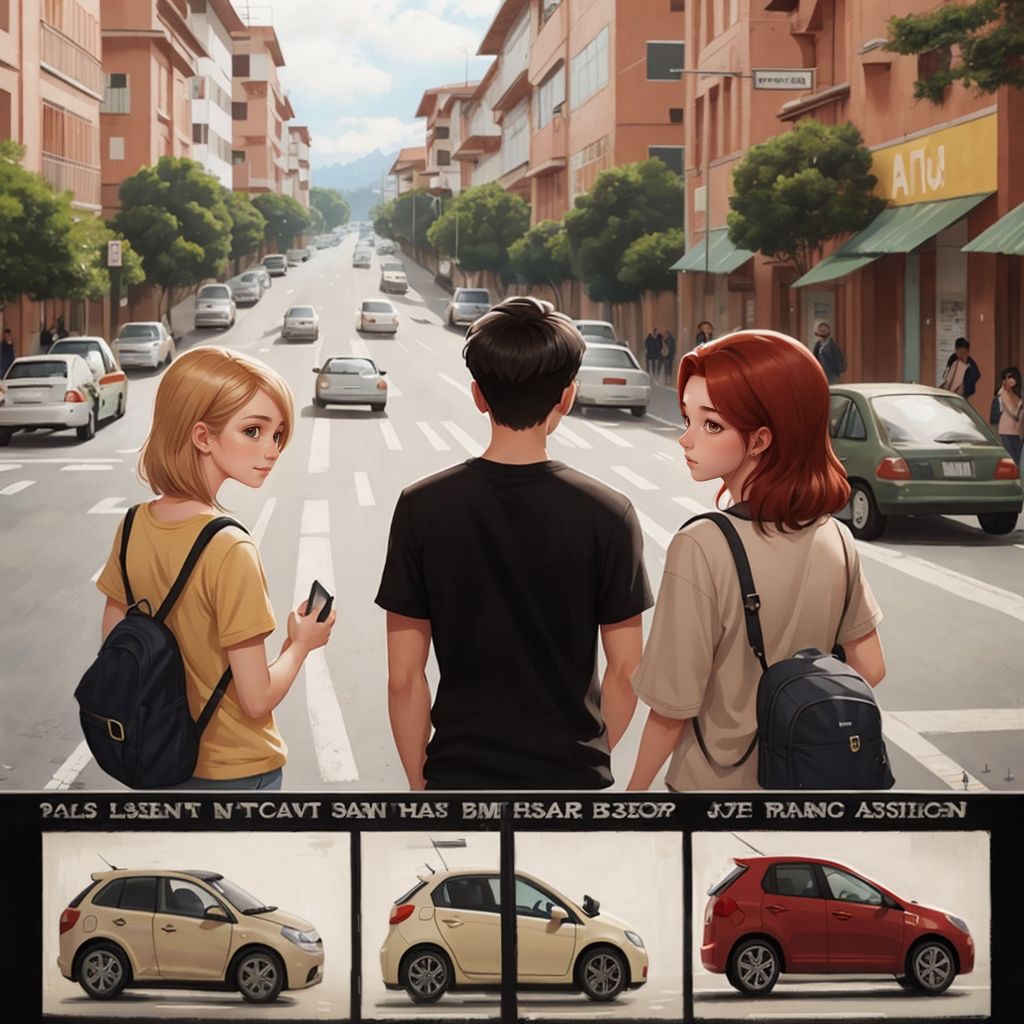
1.Depict a congested urban area near the University of Medellín. Cars block a bus lane and pedestrian zones, forcing pedestrians to navigate around them. Show the chaos caused by the blocked paths 2."Illustrate a narrow alley with overflowing garbage bins and trash scattered around. The focus is on the dirty surroundings, with residents avoiding the area." 3. "Draw a dark alley at night with minimal lighting. Shadows loom, and residents walk cautiously, highlighting the tense atmosphere due to poor lighting."
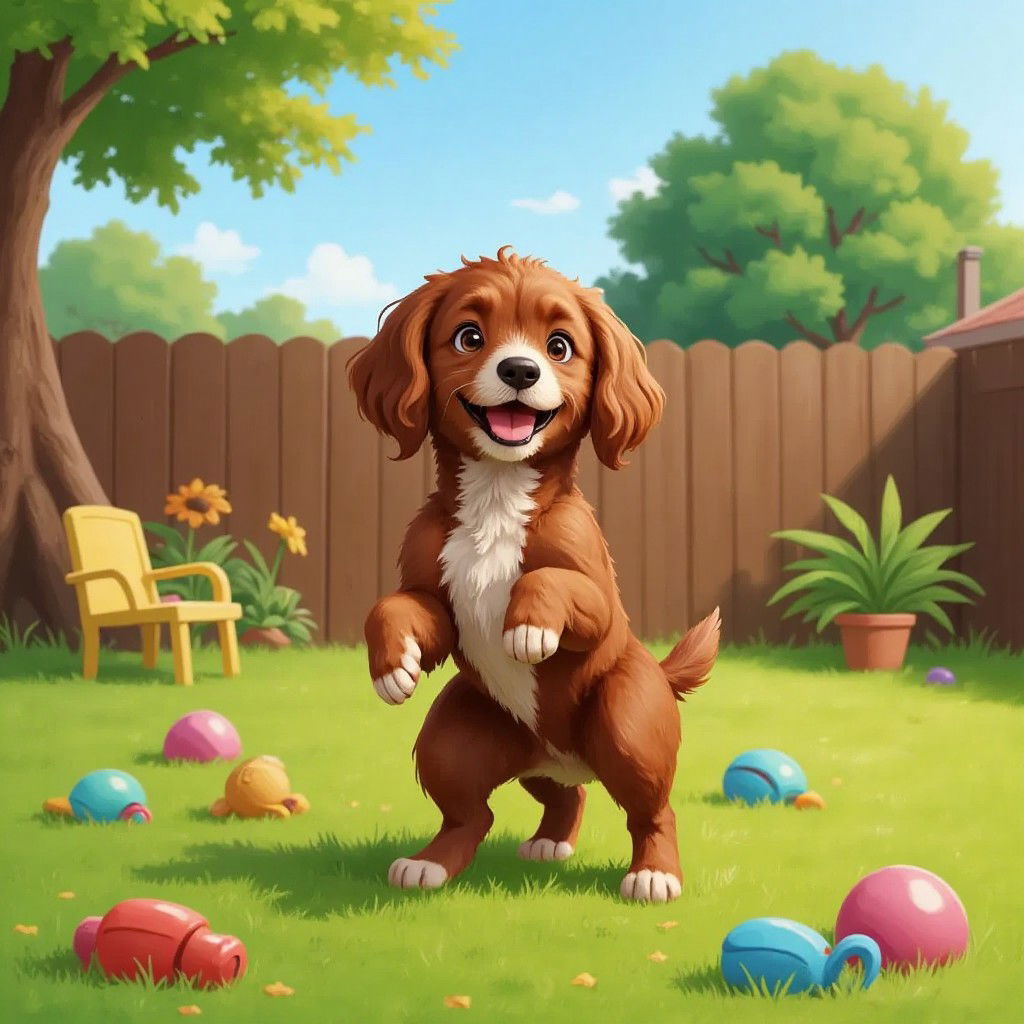
In a sunny backyard filled with laughter and sunshine, Otto the brown curly Labradoodle has always been the self-appointed leader of his little world. With a playful spirit and a strong-willed personality, he believes that everything should happen on his terms. Whether it’s choosing the game or deciding when it’s time for a treat, Otto thinks he knows best. But his best friend, Rex the Bearded Dragon, has had enough of Otto's bossy ways. One day, Rex stands up to Otto, boldly proclaiming, “You’re not the boss!” This unexpected statement surprises Otto and makes him ponder his behavior. Rex, tired of being sidelined, encourages Otto to see things from his perspective, teaching him that friendship isn’t about control, but about sharing and cooperation. Through this heartfelt conversation, Rex helps Otto understand that being a good friend involves listening and finding common ground. With gentle guidance, Otto begins to realize that letting others have a say can lead to even more fun and joy in their playtime together.
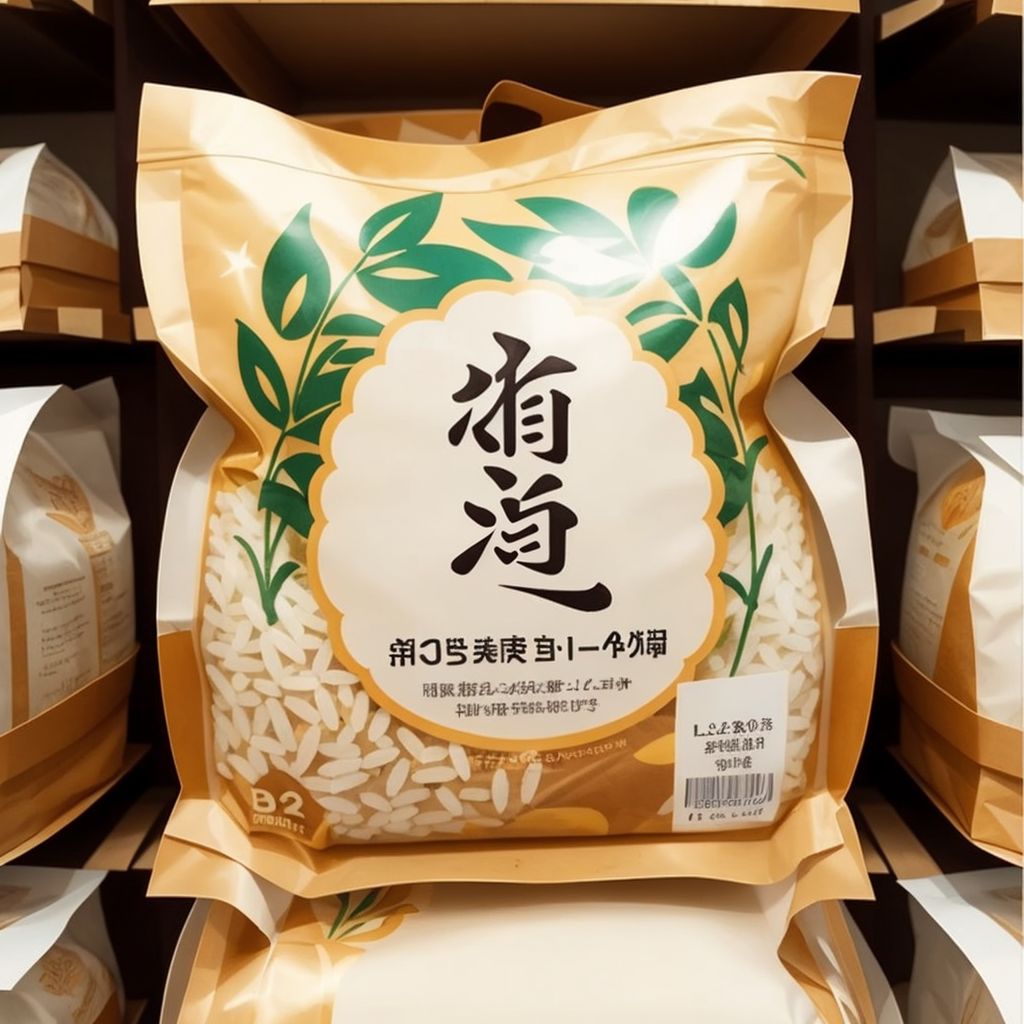
Jasmine Food Corp Sdn Bhd, the registered proprietor of the "Jasmine" and "Sunwhite" trademarks for rice products, also held the copyright for their distinctive packaging design. The defendants, Leong Wai Choon and another party (hereinafter collectively referred to as "the Defendants"), engaged in the sale of counterfeit rice products to YSK Mini Market.
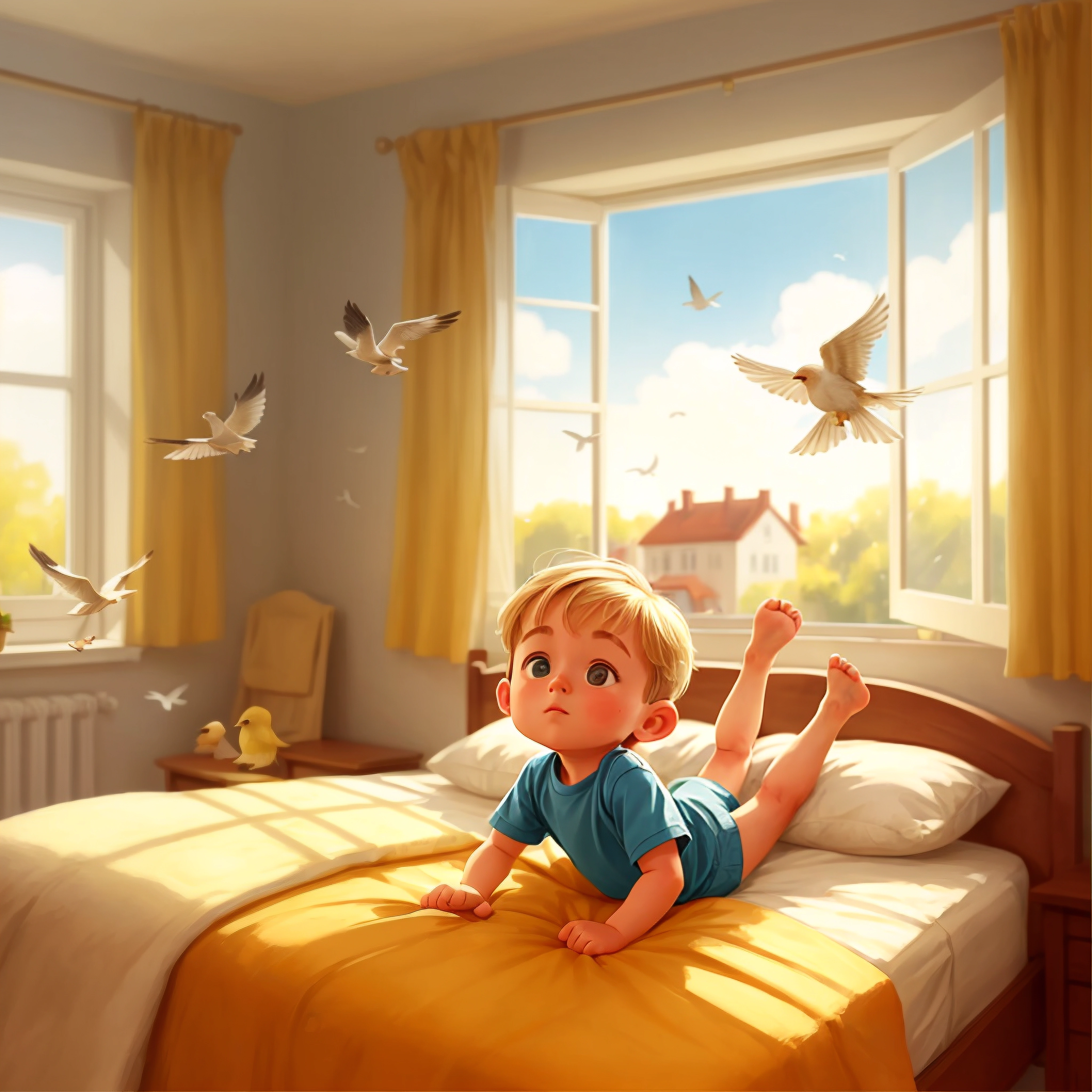
Um menino acorda em seu quarto e põe o uniforme
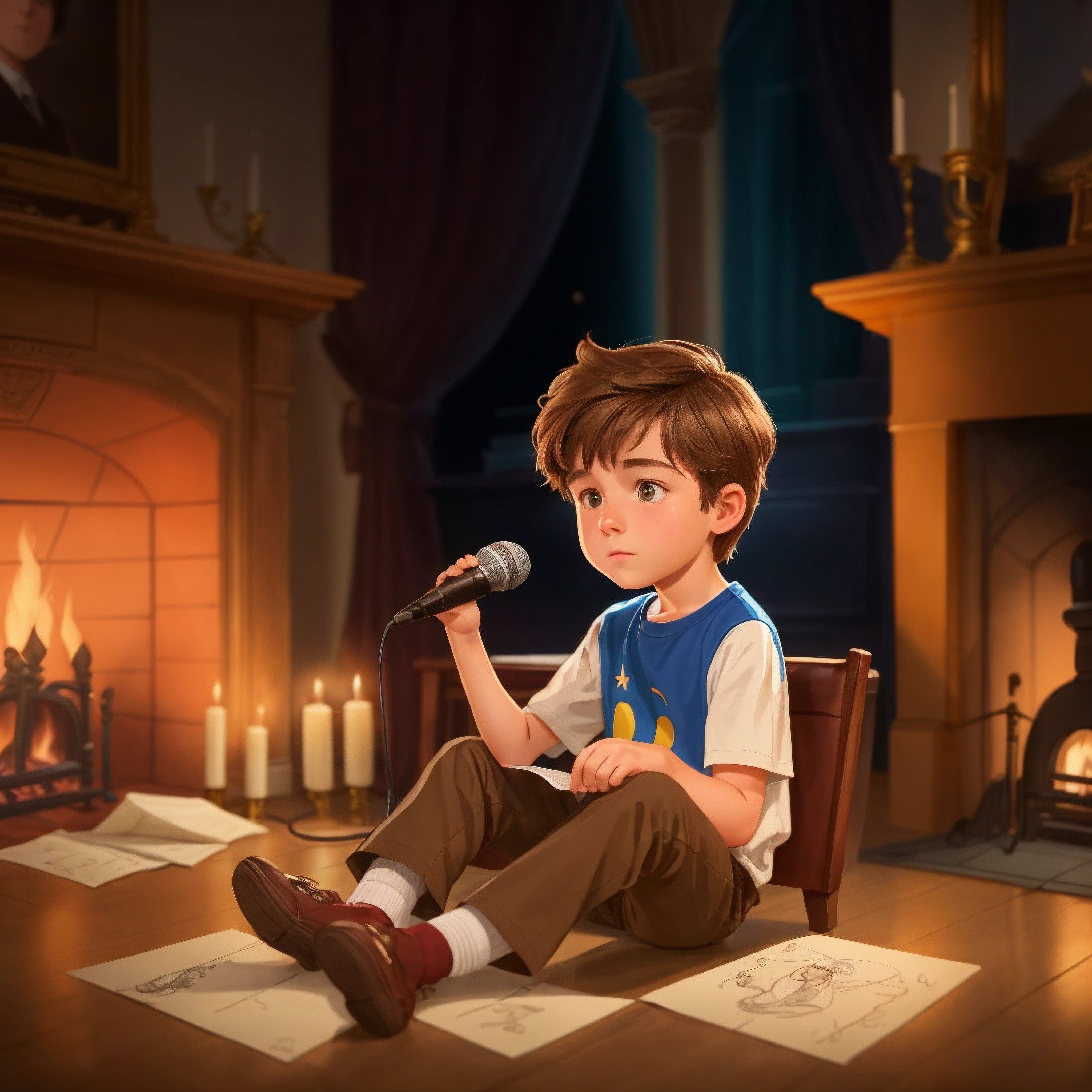
The story is about 2 brothers called Leo and Marc. Leo is a bit shy but passionate about multiple things such as soccer and robotics. His favourite soccer club is the Barcelona football club. Marc is a great actor and singer, he was born to be a star! he is extroverted and very good at his classes. He and his brother start an adventure when they wish for Christmas for more days of fun on Christmas day they wake up together in Japan. Is like they were teleported in their sleep. In Japan the try to find their way back home by meeting all kinds of people (sumos, samurais, etc). They finally find a store where they need to combine both their talents to play a videogame so they can return home. Finally, they won the game and they were able to return home after falling asleep again.
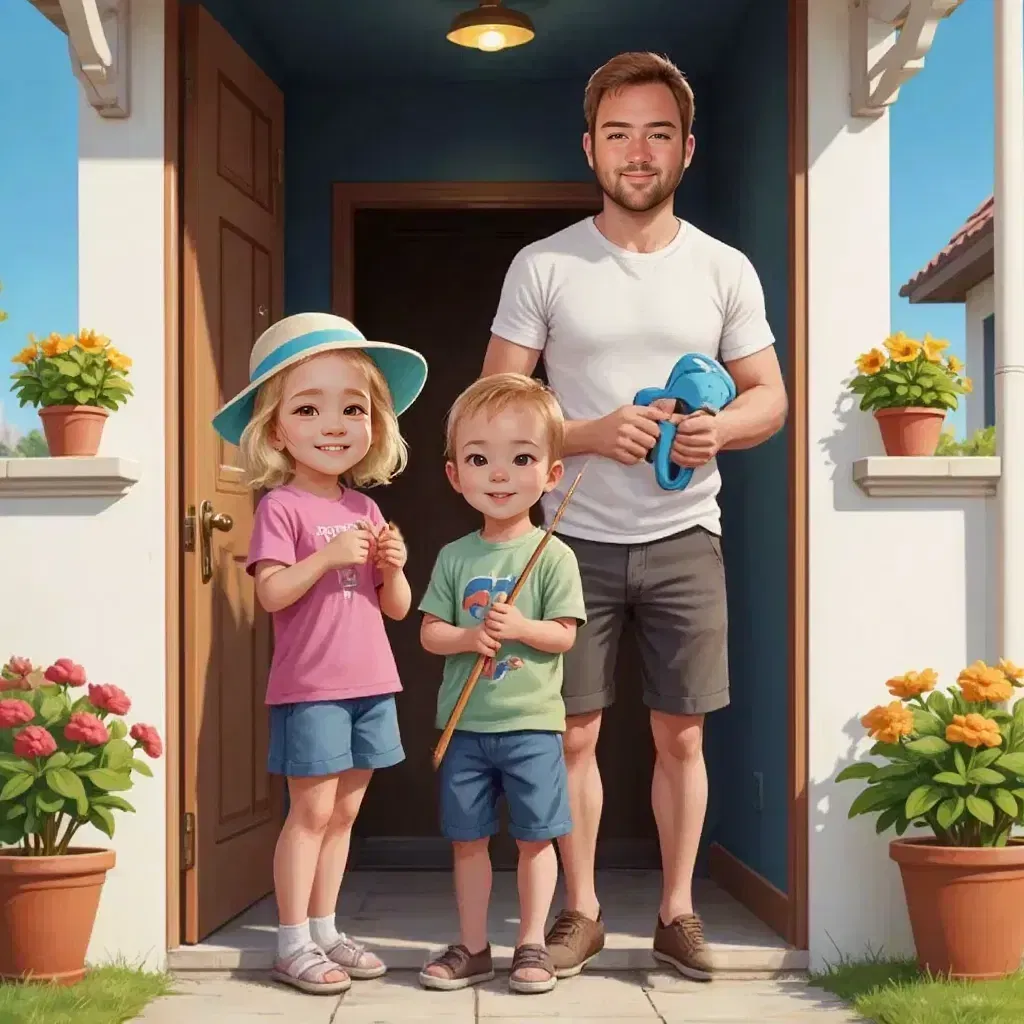
fishing day at the creek

Page 1: Our Home, Earth On a journey through the vast solar system, we find Earth, our beautiful blue planet. It is the third planet from the Sun. Earth is where we live, learn, and explore. It is filled with water, land, and air, which makes it perfect for life. Page 2: Earth's Place in Space Earth spins like a top. It takes one whole day to spin around once. This spinning gives us day and night. Earth also travels in a path, or orbit, around the Sun. It takes a year for Earth to complete one orbit. This journey through space makes the seasons change from winter to summer. Page 3: The Earth's Moon Earth has one moon. It is called "The Moon." The Moon is a giant rock that orbits Earth. At night, the Moon shines brightly in the sky. Sometimes it looks like a circle, and other times a sliver. The Moon's pull on Earth makes the ocean tides rise and fall. Page 4: Life on Earth Earth is special because it has water, air, and land. These things are essential for life. Many creatures live here, from tiny insects to giant whales. Humans are the only creatures that build cities and travel to space. Page 5: Earth's Rich Resources Earth is full of wonders like forests, rivers, and deserts. These wonders give us food, water, and shelter. We must take care of these resources, for they are not endless. Earth provides everything we need to live and thrive. Page 6: Protecting Our Earth To keep Earth beautiful and healthy, we must work together. We can recycle, save water, and plant trees. Every effort matters. Earth is our home, and it deserves our care and respect.
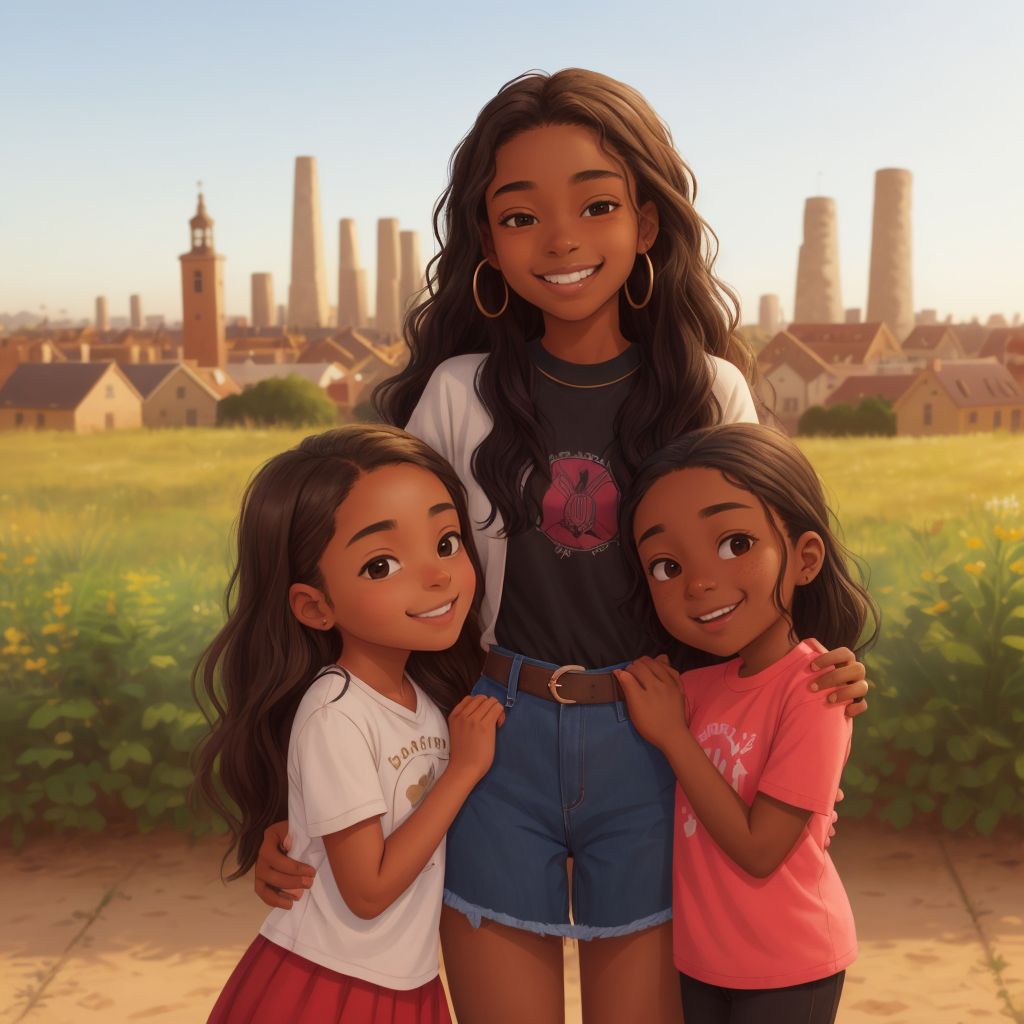
a family with two girls who have the strongest bond and who are the greatest of friends
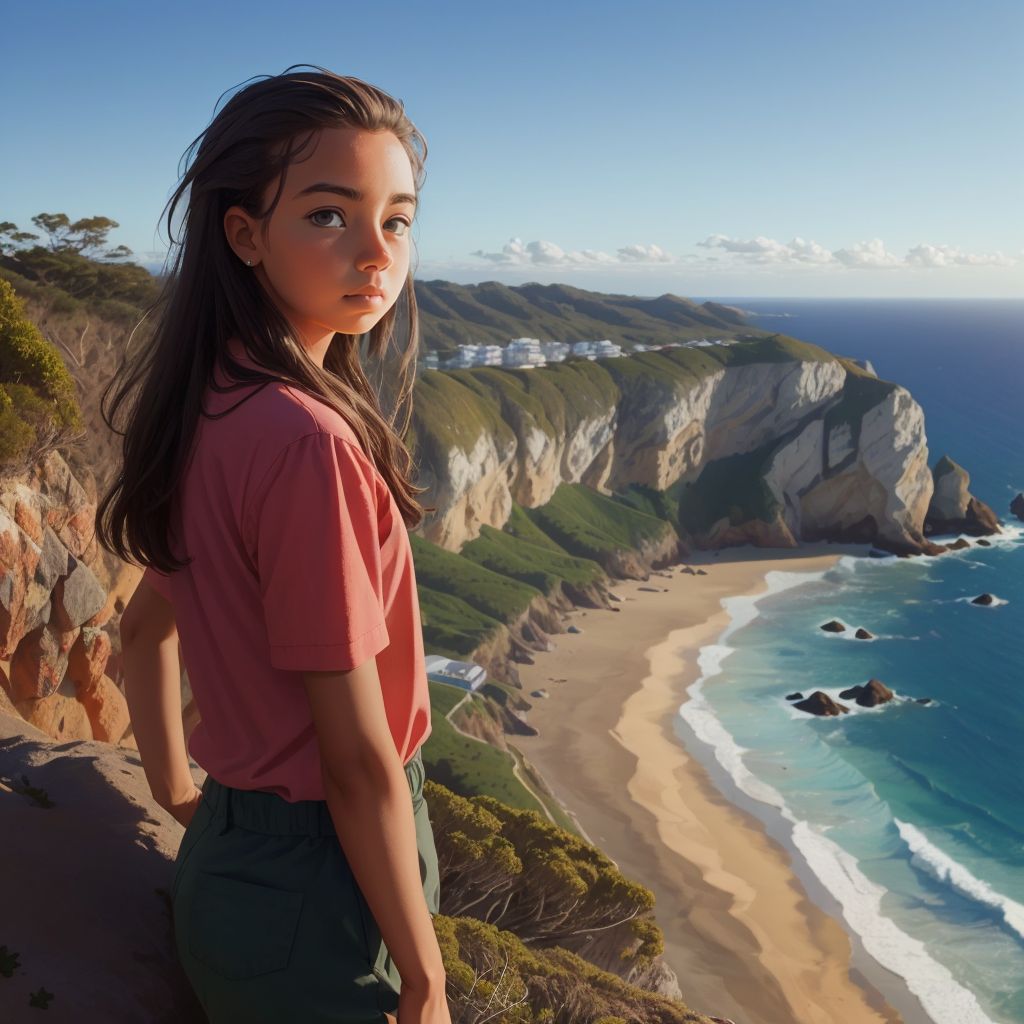
Aviwe lives in Plettenberg bay and she loves to travel. She travels all over the world. She loves to go to England