
 Start Read
 Recommend

Atos get out the house every morning but he never knows who he might meet
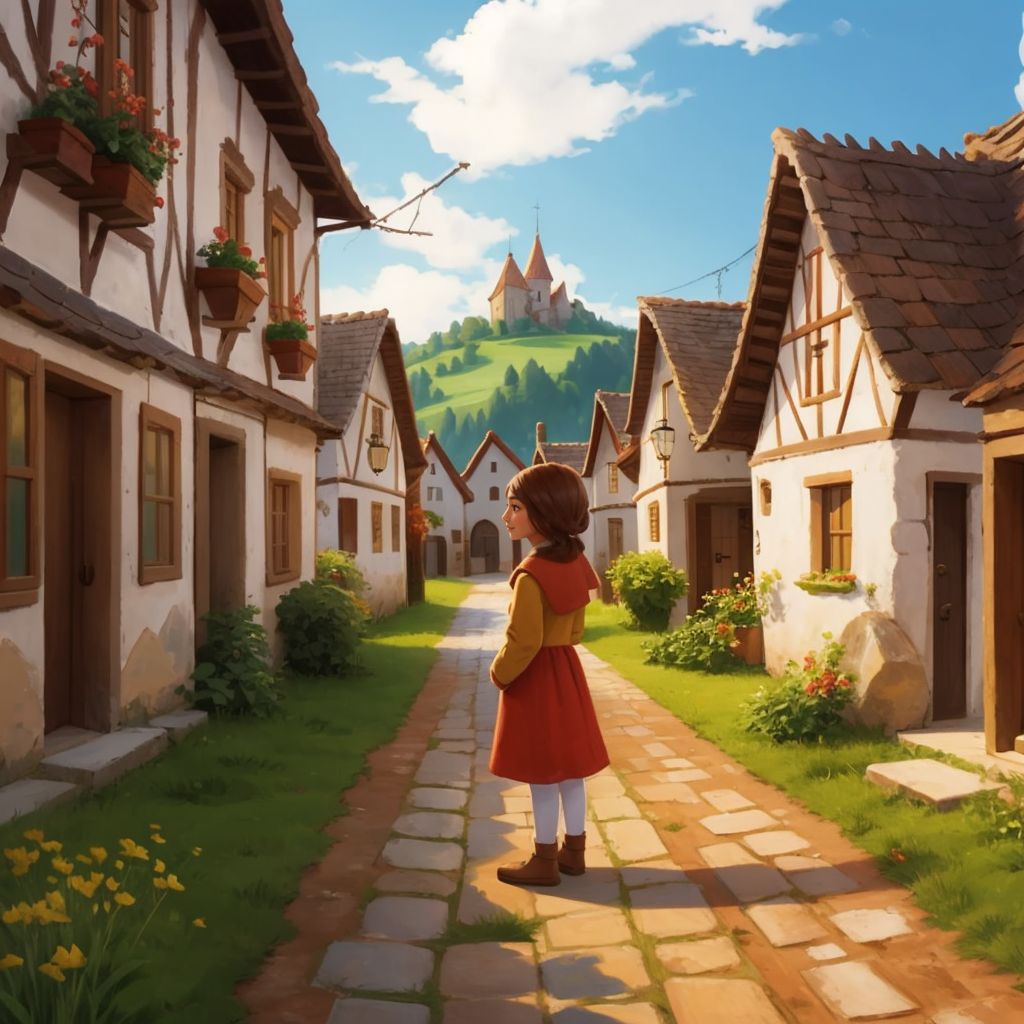
Once upon a time there was a little girl, Anna. She was a very inquisitive and sociable girl, but where she lived she had no friends. Anna seemed so strange and wonderful to everyone that everyone avoided her. But that didn't upset her. She always found adventures for herself. Kindness will save the world.
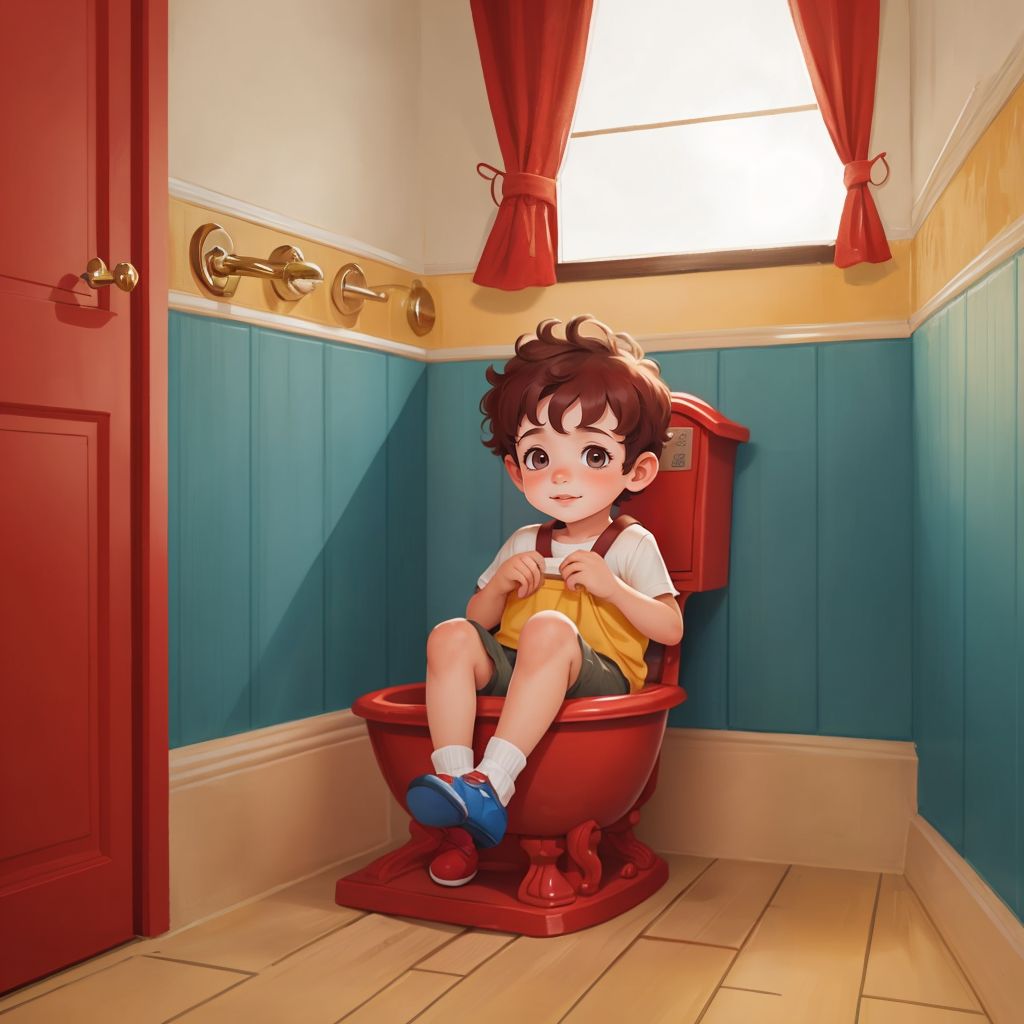
Sam, a lively little boy, is used to his comfy nappies. One day, his mom surprises him with a bright red potty and some shiny stickers. Every morning, Sam rushes to try out his new potty, eager to earn a sticker each time he succeeds. With his parents cheering him on, he proudly declares, “No more nappies for me!” and feels like a big boy.
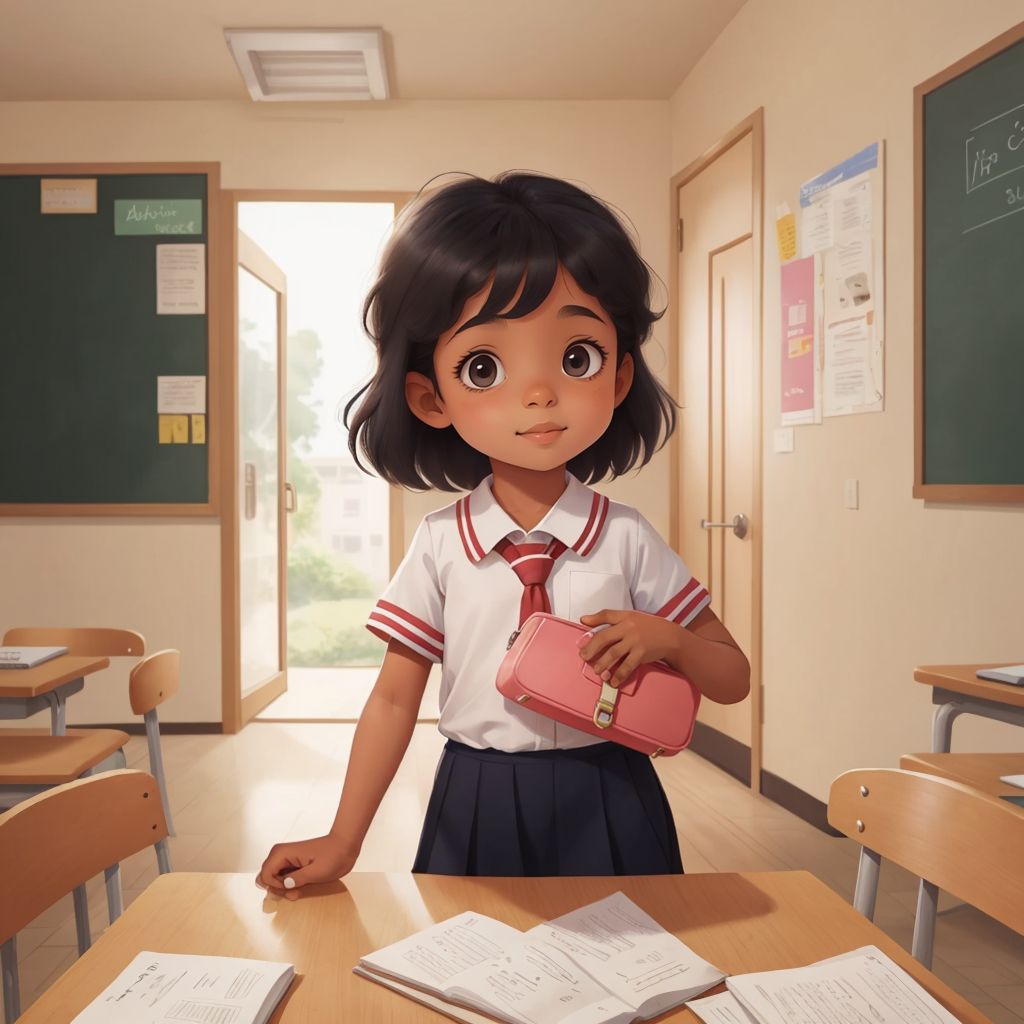
Starting school can be an exciting yet nerve-wracking experience, but for Maya a black girl, her first year is made a little easier with the help of her grandmother's special notes. Every day, tucked inside her lunchbox, Maya finds a heartfelt message from Grandma—each one offering words of wisdom, encouragement, and love. From making new friends to sharing her unique story during show-and-tell, Maya learns valuable lessons about courage, kindness, and self-confidence. "Grandma's Lunchbox Notes" is a heartwarming tale that celebrates the bond between generations and the power of love to guide us through life’s challenges. Perfect for young readers beginning their school journey, this story is a reminder that with a little support, anything is possible.
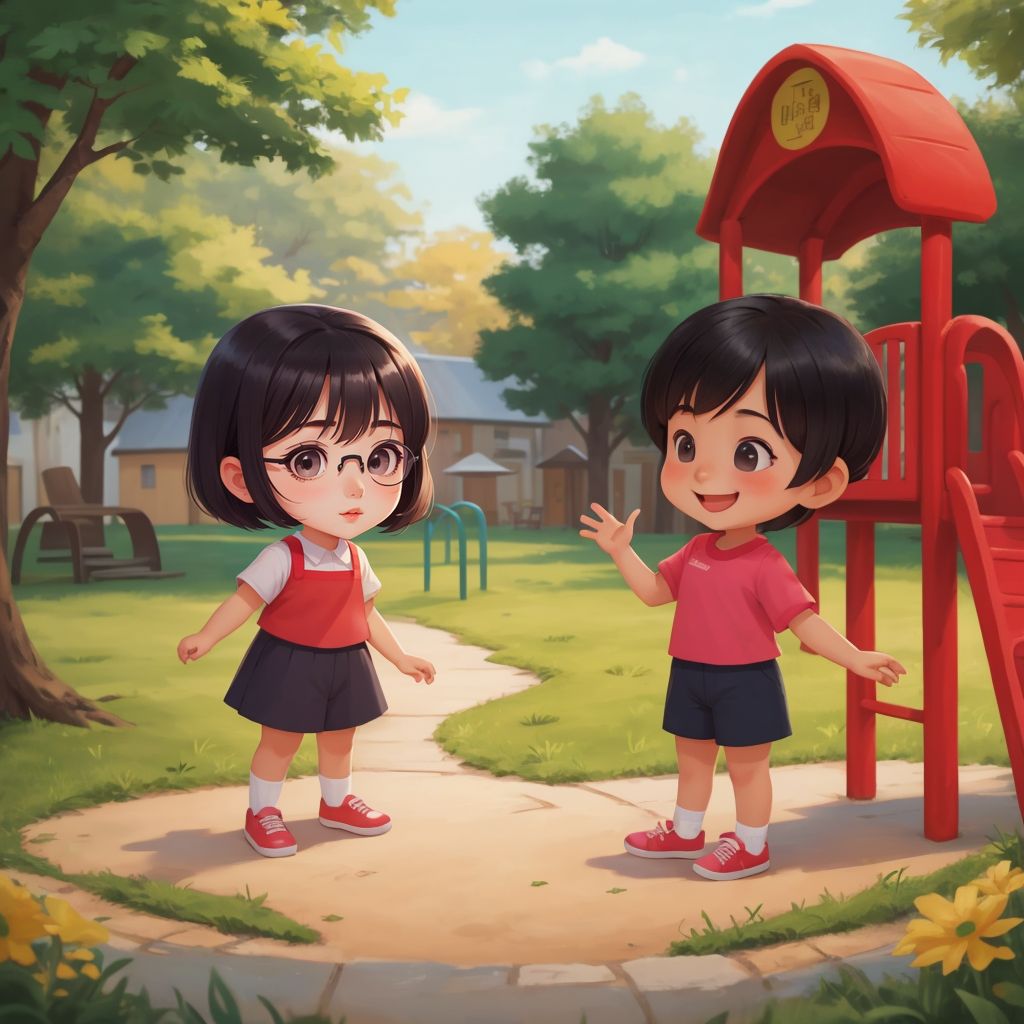
Join Emily on her daily adventures as she discovers different ways to spread kindness. From sharing a snack to helping a friend tie their shoes, Lily teaches children that even small acts of kindness can make a big difference.
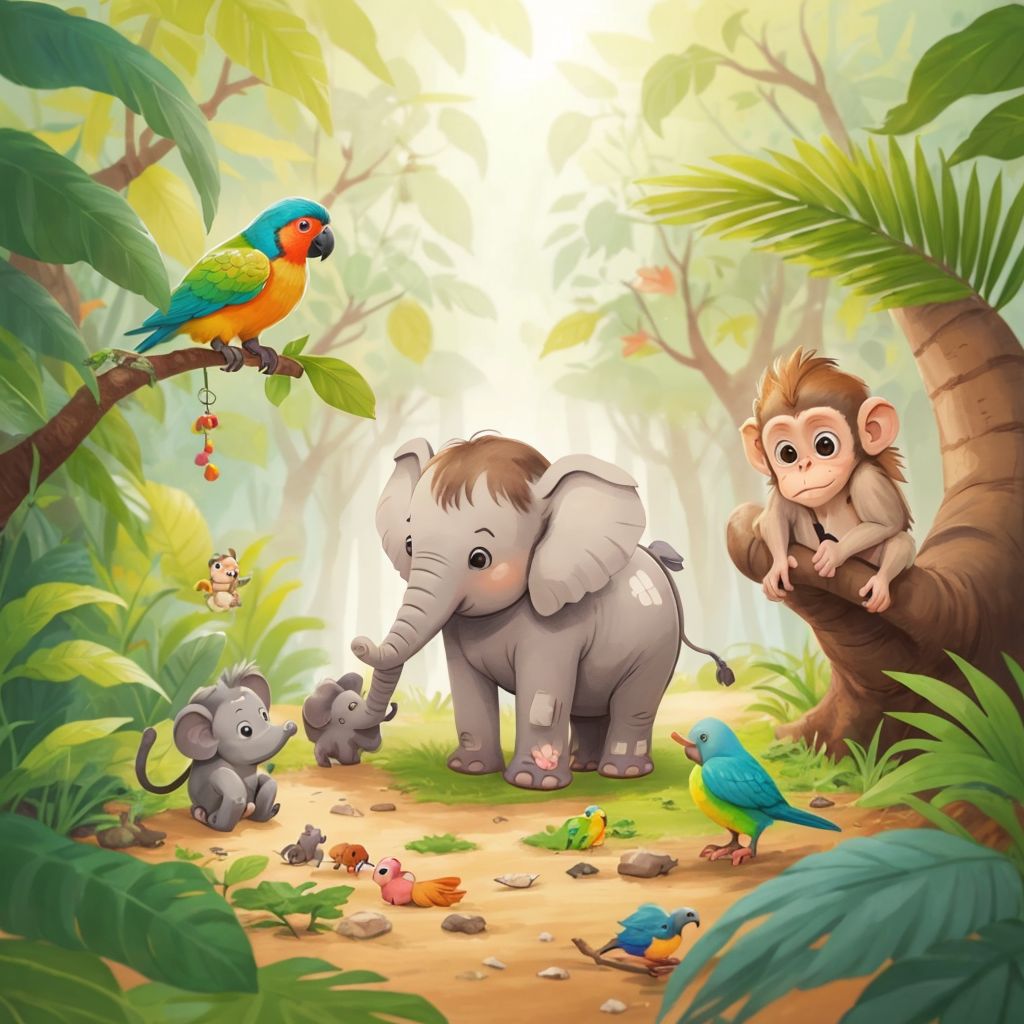
Ella the Elephant is the biggest and strongest in the jungle, but instead of using her size to boss others around, she helps wherever she can. From lifting fallen nests to shading her friends from the sun, Ella's kindness spreads happiness. One day, when Ella gets stuck in the mud, the smaller animals she once helped come together to rescue her—showing that even the tiniest friend can make a big difference.
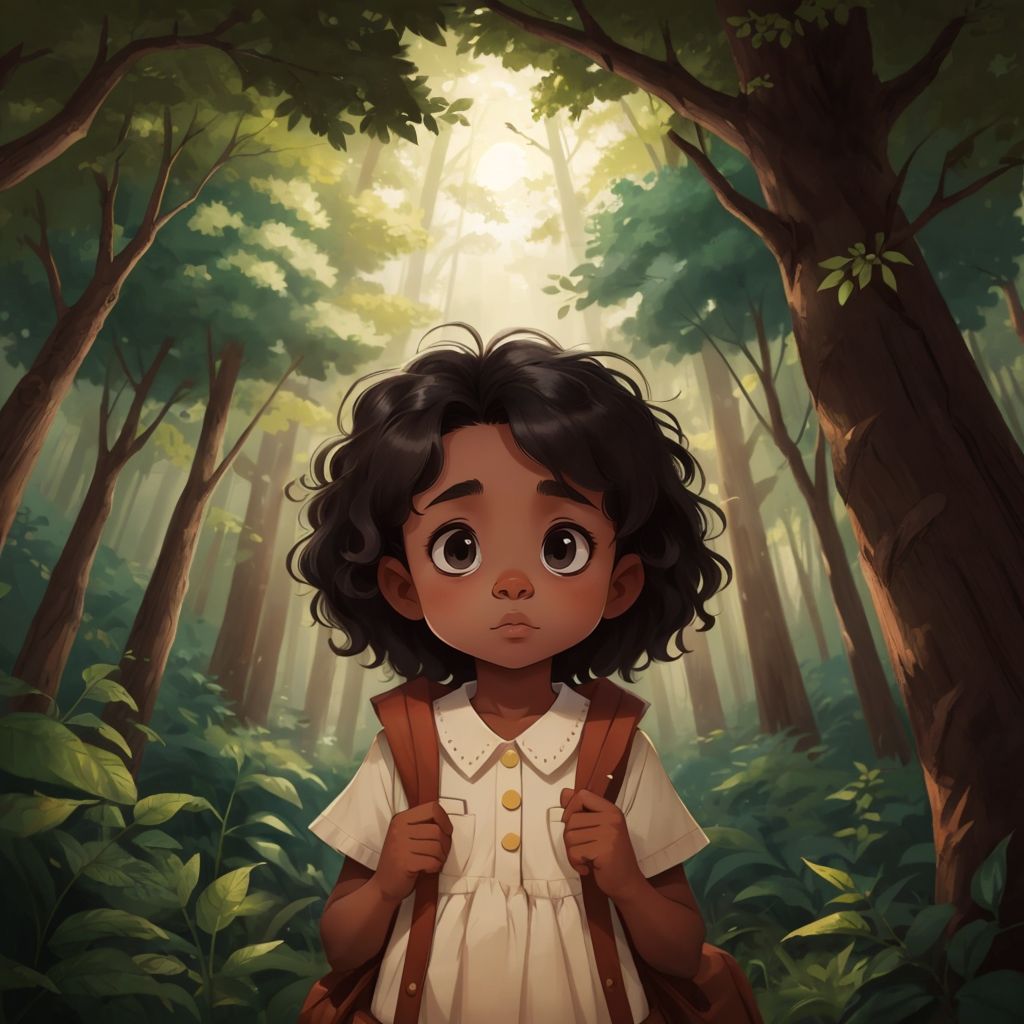
a young girl discovered a magical tree and stands up to a monster
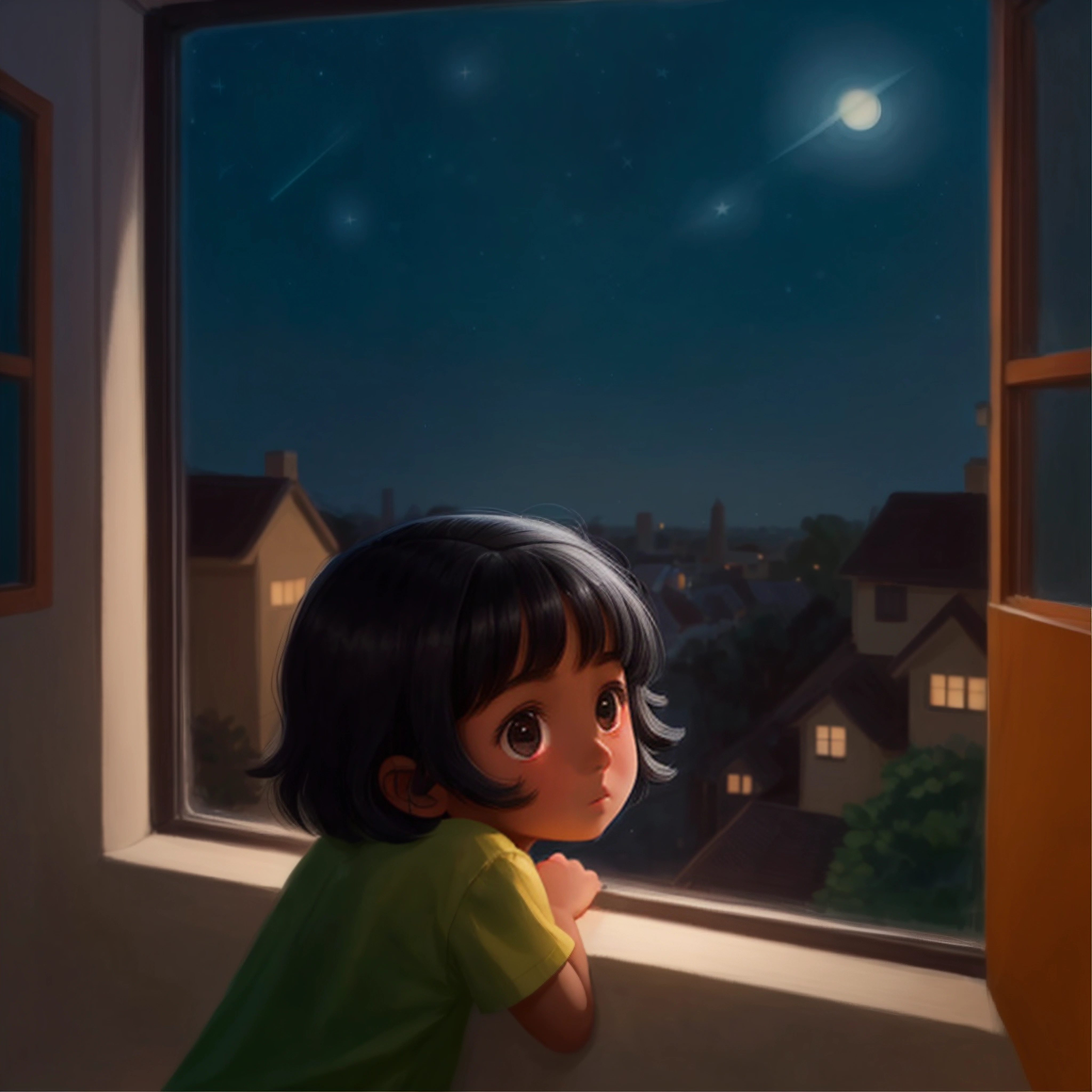
"Happy October" is a heartwarming tale that takes readers on a magical journey through the enchanting world of a young girl named October. Born on Halloween, October experiences a tinge of envy towards her siblings, each of whom has a birthday celebration filled with joy and wonder. However, October's world transforms when she encounters a whimsical creature named Ne-Ne-Now-Now on the eve of her seventh birthday. Guided by Ne-Ne-Now-Now, October embarks on an extraordinary adventure in an enchanted land where talking trees, friendly goblins, and mischievous fairies create a birthday celebration beyond her wildest dreams. The story weaves through magical moments, from learning spells with witches to a Pumpkin Patch of Wishes and a sky filled with shooting stars carrying the dreams of children worldwide. As October's magical journey unfolds, her siblings back in the real world sense something extraordinary happening on this Halloween night. The story beautifull
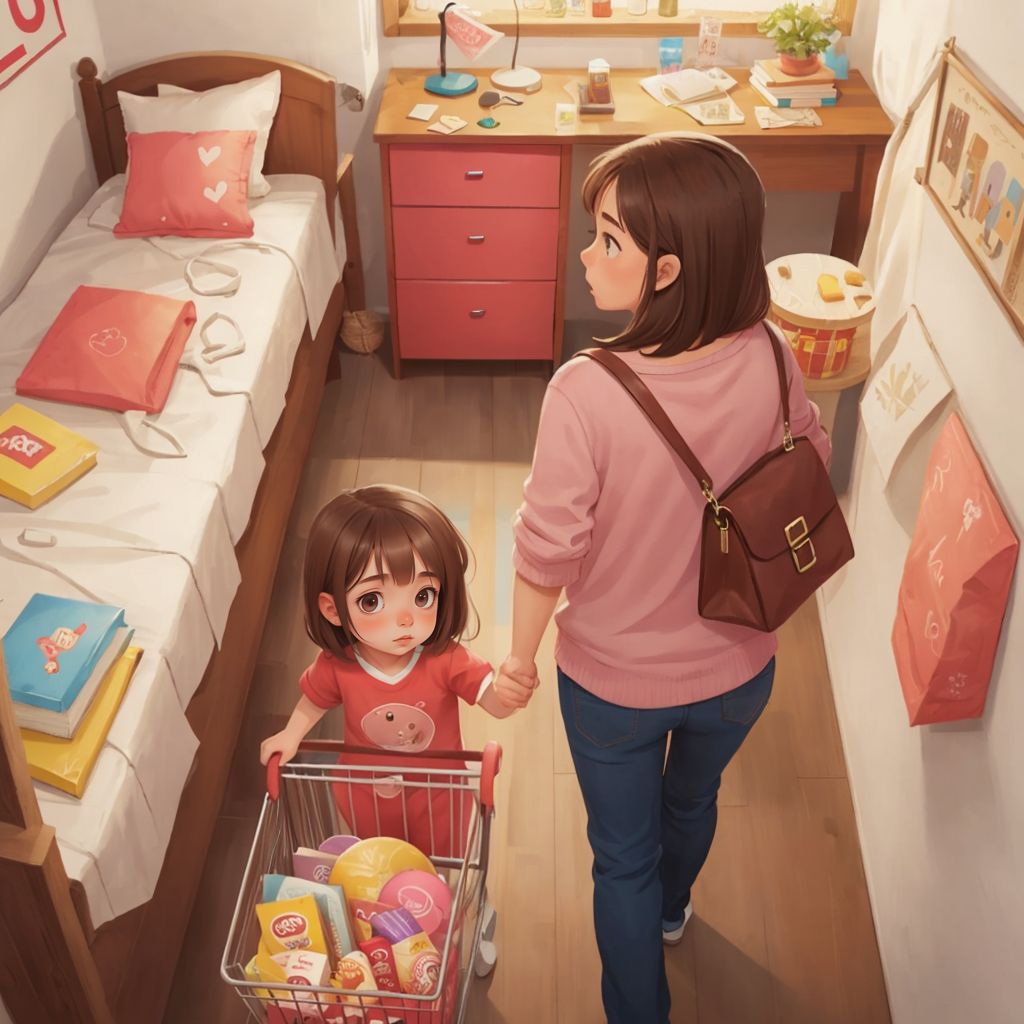
Emily is too big for her bed. She goes with her mum to a furniture store. They want to get a new bed. While looking for a new bed, Emily sees a lot of nice pieces of furniture and wants mum to buy her some, but mum says no until they find the perfect bed.
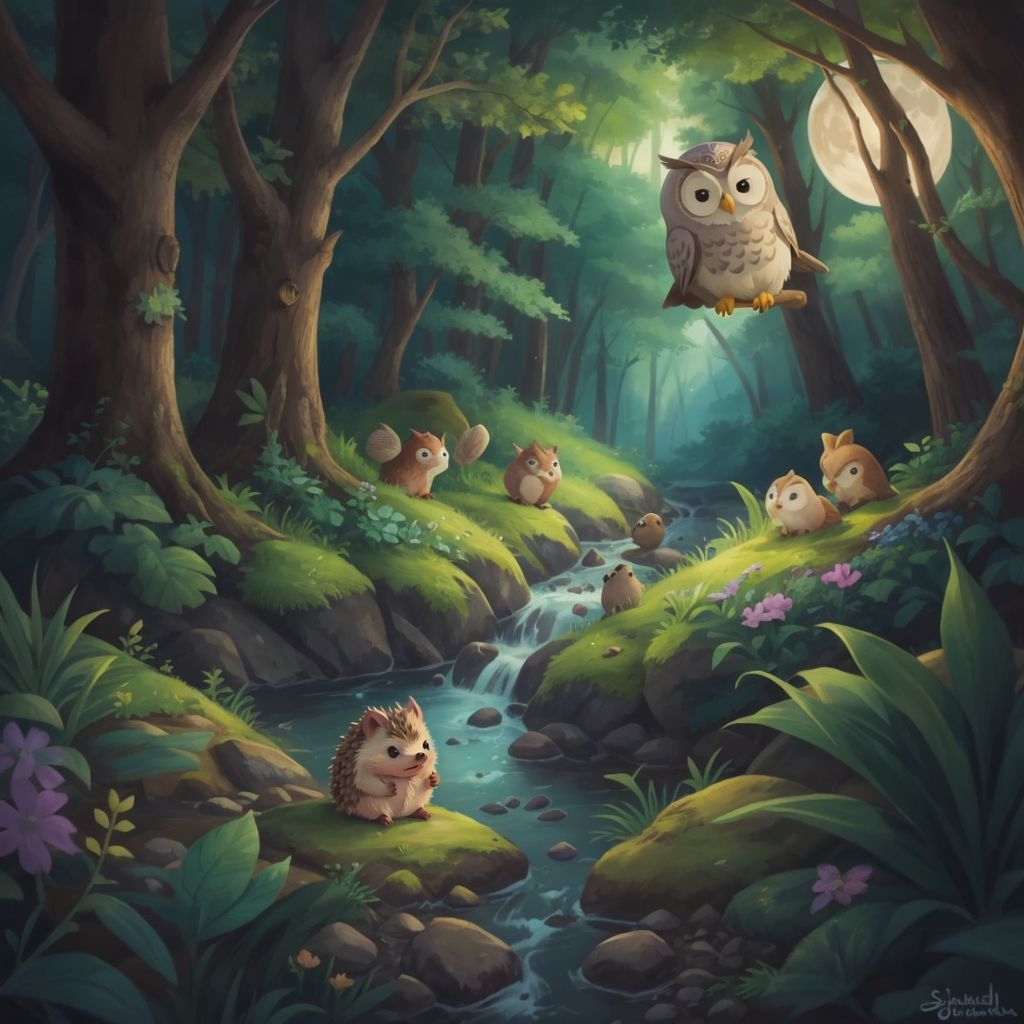
"The Story of How the Owl Got Lost in the Forest" is about a wise owl who helps a little hedgehog find his way home. As they search, the owl realizes she is also lost. Together, they follow a stream to a clearing where their friends are waiting. They learn that even the wisest can get lost, but with friends, they can always find their way back. This heartwarming tale emphasizes the importance of friendship and helping each other.
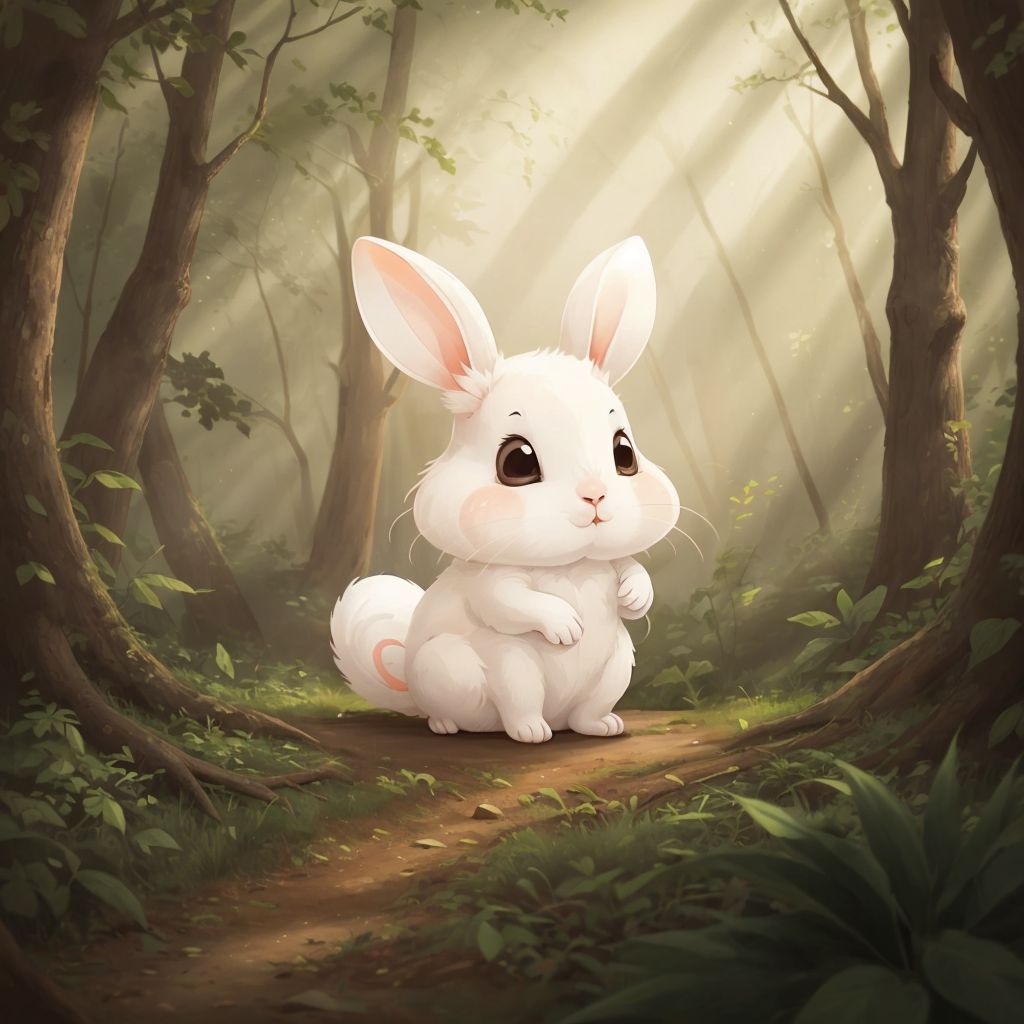
1. In a small peaceful forest, there lived a white rabbit named Cici. Cici's fur was as white as snow, glistening in the sunlight, and always neat. All the animals in the forest admired Cici's beauty, and she knew it. But unfortunately, the compliments made her arrogant 2. Cici often walked around the forest just to show off her beauty. "Look at my soft fur," she said to a turtle named Kiki. "No one can match my beauty!" She also often made fun of other animals. When she saw a turtle walking slowly, Cici said, "You are not only slow, but also ugly." 3. One day, a butterfly (Lulu) approached Cici. "Outer beauty is not enough, Cici. A good heart is more important," said Lulu wisely. However, Cici only laughed mockingly. "You are just jealous, Lulu. I am perfect!" 4. However, Cici's life changed when the rainy season arrived. The ground became muddy and soggy. When Cici walked, her fur became dirty and no longer looked shiny. No one complimented her beauty anymore. Cici felt ashamed and began to avoid her friends. 5. One afternoon, Cici heard a small voice asking for help. She saw the turtle she had teased before stuck in the mud. Although she was hesitant at first because she was afraid that her fur would get dirtier, Cici finally decided to help. She jumped into the mud and pulled the turtle out with difficulty. 6. The turtle smiled and thanked her. “You may be dirty now, Cici, but your heart shines brighter than ever.” 7. Since then, Cici began to change. She was no longer arrogant about her beauty, but became a friendly and helpful rabbit. And strangely enough, even though her fur was often not as perfect as before, she felt happier because now she was appreciated not for her appearance, but for her kindness.
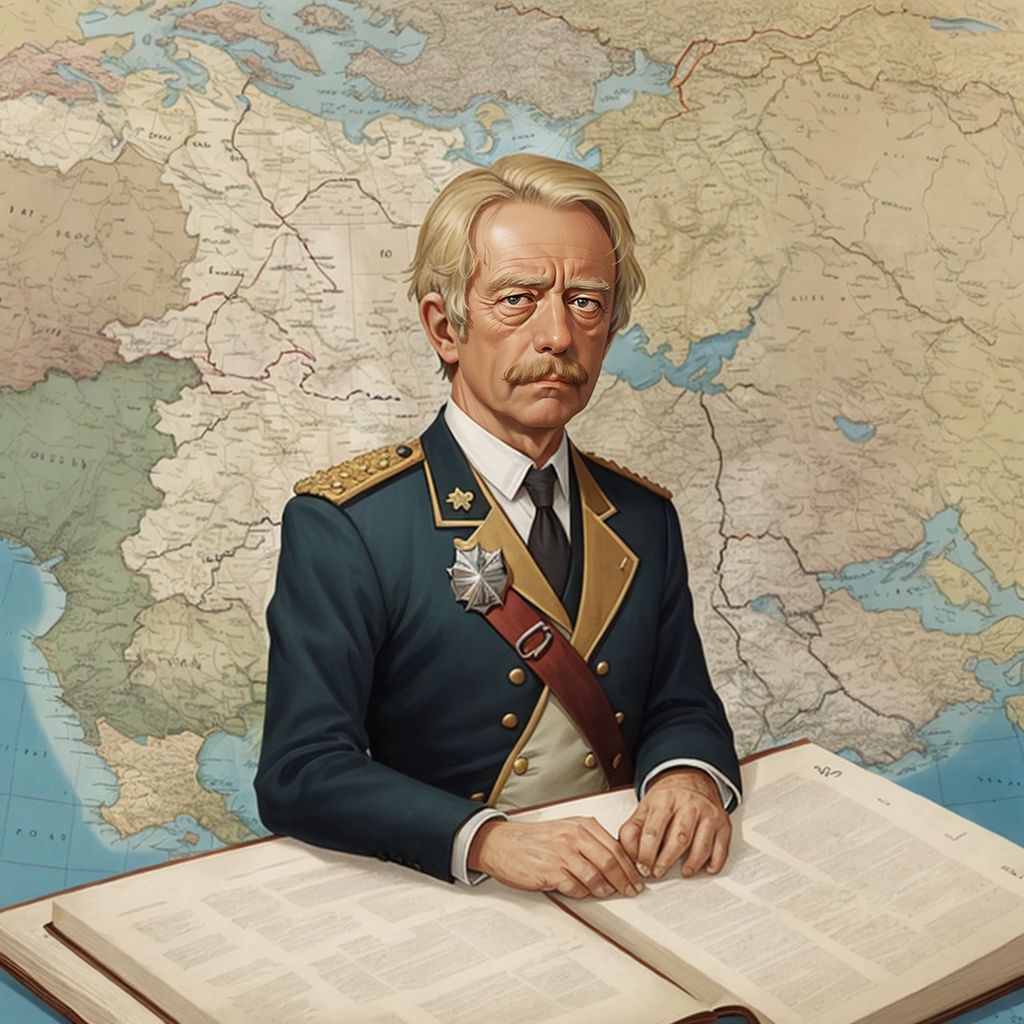
Page 1: Otto von Bismarck had a big plan to unite the small German kingdoms into one strong country, like pieces of a puzzle. He knew it wouldn’t be easy. Page 2: In 1848, people across Europe wanted more freedom and rights. In Germany, they dreamed of unification, but it didn’t happen yet. Otto knew he had to work harder to solve this puzzle. Page 3: In 1862, King Wilhelm I made Otto the Prime Minister. Otto believed Germany could only be united by strength, not speeches, leading to his famous “blood and iron” approach. Page 4: In 1864, Otto won a war against Denmark with Austria’s help. Prussia gained Schleswig, and his puzzle was starting to come together. Page 5: In 1866, Otto defeated Austria in just seven weeks, giving Prussia control of northern Germany. Another piece of the puzzle fit! Page 6: In 1867, Otto formed the North German Confederation, uniting the northern states under Prussia’s leadership. He was close to his goal. Page 7: In 1870, Otto cleverly edited a telegram to provoke France, starting the Franco-Prussian War, which helped unite the southern German states with Prussia. Page 8: By 1871, Germany defeated France, capturing Napoleon III. This victory completed Otto’s puzzle of a united Germany! Page 9: On January 18, 1871, Wilhelm I was crowned Kaiser of a united Germany. Otto’s dream had finally come true. Page 10: Thanks to Otto’s strategies, Germany became a strong country. He was called the "Iron Chancellor," and his legacy shaped Europe’s future.
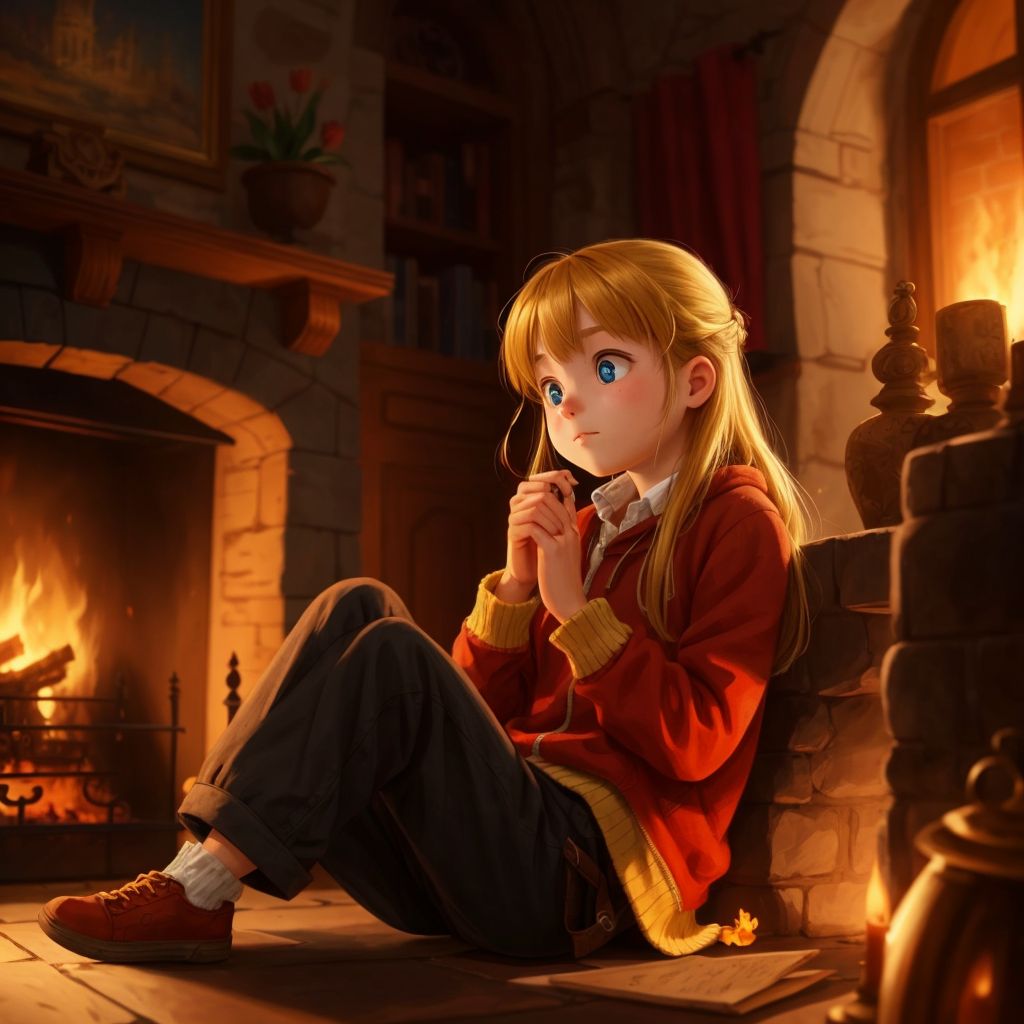
A young girl discovering the folks tale of the red string and growing up wondering if it could be true. As the course of time continues, the girl grows up without knowing what life had in store for her.

It was Friday! Tara was working from home while Adi went off to work. In the afternoon, Tara felt a bit sick. She hurried to the sink and felt very unwell. Tara rushed to the store and bought a pregnancy test. When she checked, she was going to be a mom! Tears of joy filled her eyes. After resting, Tara thought about her marriage to Adi. They were very happy together! Excited, Tara prepared dinner and waited for Adi to come home. At midnight, the phone rang! Adi woke up, wondering why it was ringing now. On the phone, a man said, “I have important evidence for your case. Do you want it?” The man told Adi to meet him by a pond. Adi felt nervous but knew he had to go. At the pond, Adi found a red box! Inside was a piece of paper with instructions. Following the paper, Adi arrived at an old church. It looked spooky, but he was brave! Inside, he found a big black vault that needed a secret code. He was nervous! The vault opened! Adi saw an old phone and a T-shirt. But where was the evidence? When he opened the T-shirt, it said “DAD TO BE.” Suddenly, the phone buzzed! It was Tara! “Congratulations, Adi! We’re going to have a baby!” she exclaimed. Adi realized it was a surprise! He stepped out and saw colorful decorations everywhere. All their friends shouted, “SURPRISE!!!” They celebrated their wonderful news and lived happily ever after!
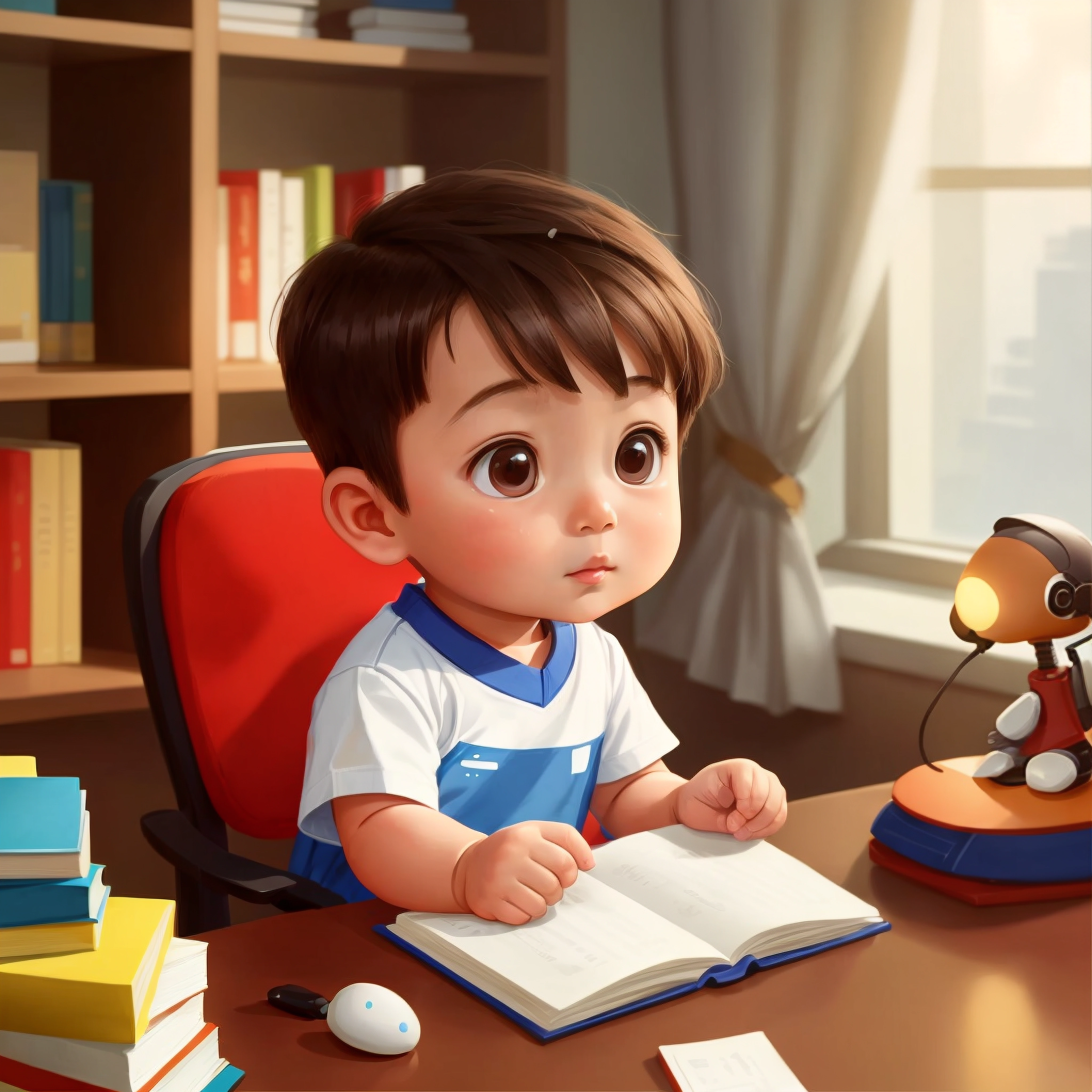
"Alex and Aria: The Adventures in the Digital Realm" is a captivating children's storybook that delves into the world of artificial intelligence and technology. Meet Alex, a young inventor with a passion for coding, and Aria, a curious AI companion he creates to assist him in his experiments.
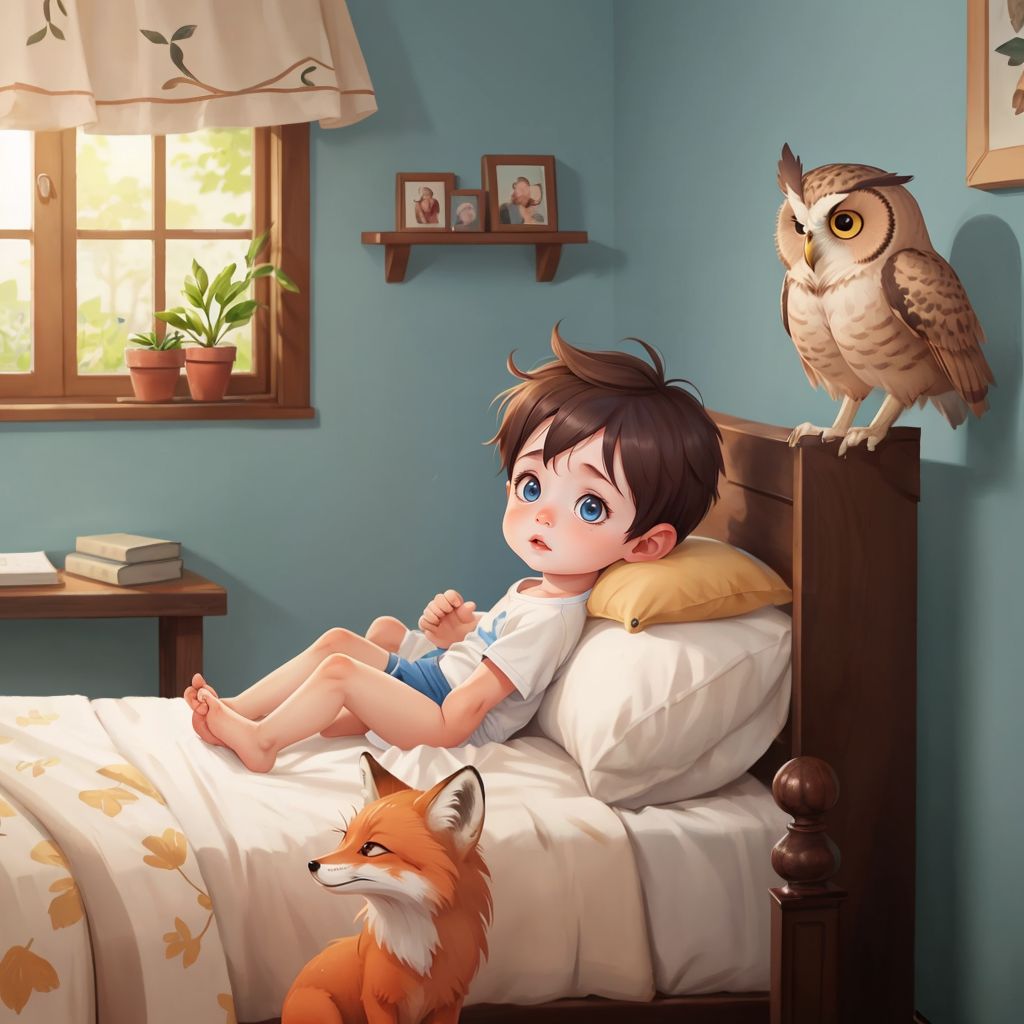
Rafa, a small boy with curly hair, wakes up in a cozy bedroom. On his bed, two friendly animals greet him: Nico, a wise owl perched on the bedpost, and Pri, a playful fox sitting at his feet. Rafa, Nico, and Pri stand together, excited and ready to explore. The room is bright with sunlight streaming through the window, and the friends smile eagerly. The trio enters an enchanted forest with tall, talking trees and a glowing blue river. Rafa meets a blue butterfly and a green frog as they hop along the sparkling riverbank. Nico perches on a low branch, speaking to Rafa, who kneels by a flowerbed. Pri sits nearby, sniffing a blooming flower. The scene is warm and inviting, with colorful flowers and lush greenery. Rafa, Nico, and Pri arrive at the Island of Dreams, where the sky is pink and the sea shimmers lilac. They find a treasure chest filled with sparkling stars, representing dreams, and gaze in awe. Rafa looks up at the starry night sky with Nico and Pri beside him. The stars twinkle brightly, and a glowing moon casts soft light as Rafa makes a wish. The friends enter the Castle of Memories, a grand castle with tall towers and colorful banners. Rafa opens a door to reveal a large backpack and a map, symbolizing an exciting journey. In the room with the backpack, Rafa looks at it with wonder. The room is filled with maps, photos of distant places, and souvenirs from travels, evoking a sense of adventure. Rafa, Nico, and Pri return home as the sun sets, casting a golden glow over their peaceful village. They walk hand in hand, smiling, ready to rest after a day of adventures. Rafa is back in bed, snuggled under a soft blanket. Nico perches on the headboard, and Pri curls up at his feet. Rafa falls asleep with a content smile, while Nico and Pri watch over him, ready for the next adventure.
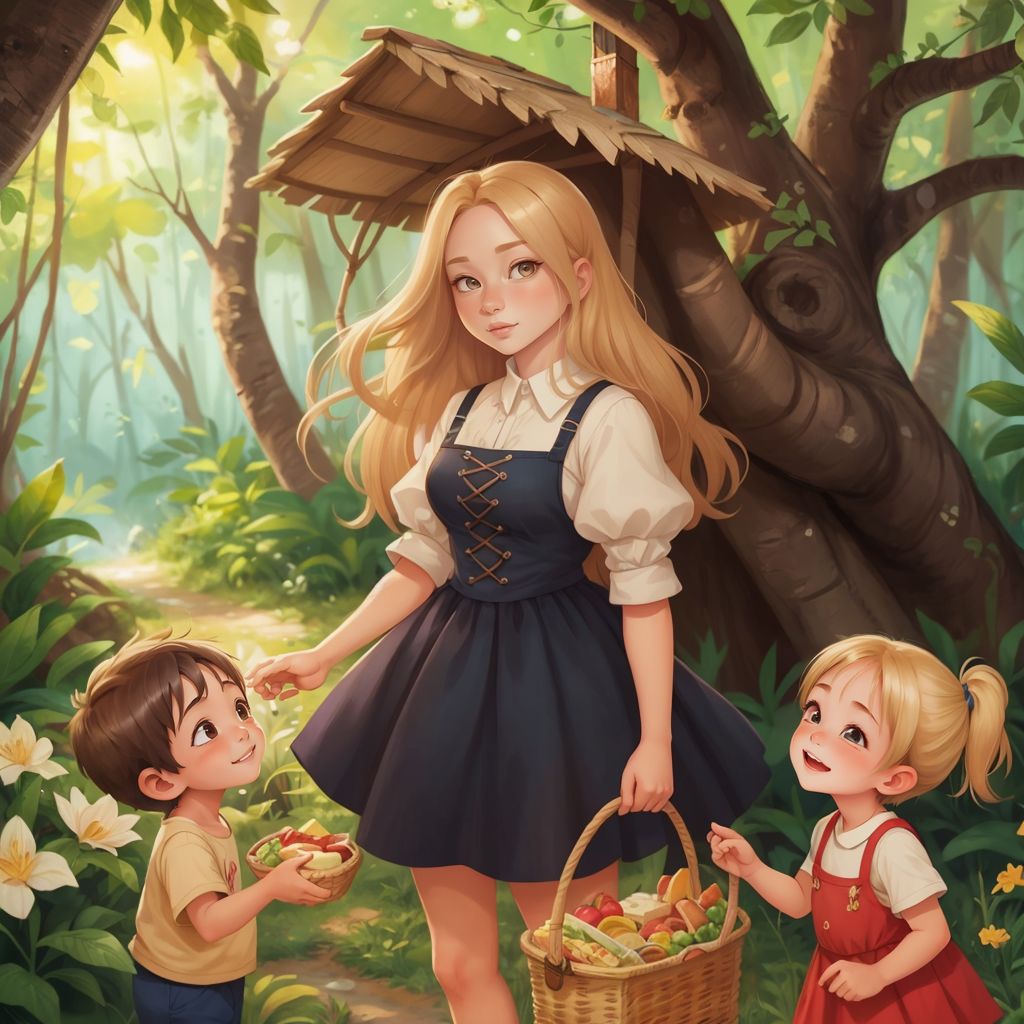
Illustration: A cozy home with Osh, Ish, and Mom XL waving goodbye. Osh, Ish, and their adventurous mom, XL, started a quest for the golden peach tree. Illustration: Family walking into a forest, Osh with a blue ribbon, Ish with a pink one. They marked their path with colorful ribbons through the Whispering Woods. Illustration: Kids tying ribbons to trees. Their ribbons were guides, tied to branches, leading them back home. Illustration: Encountering forest wonders. They saw wonders like talking birds but the peach tree was nowhere in sight. Illustration: Osh and Ish looking concerned in the forest. The woods grew dense, and the children started to feel lost. Illustration: Finding Mom XL tied to a tree with golden ropes. Surprise! They found Mom XL, tied up with golden ropes to a mysterious tree. Illustration: Kids looking shocked, XL smiling. "This is part of our adventure," Mom encouraged, hinting at a lesson. Illustration: Kids using their ribbons to untie XL. Osh and Ish cleverly used their ribbons to free Mom, turning ropes into peach vines. Illustration: XL free, kids happy, a golden peach falling. With Mom free, a golden peach fell as a reward for their teamwork and wit. Illustration: Walking back home following the ribbon trail. They followed the ribbon trail back, proud of their day's adventure. Illustration: Family sharing the golden peach at home. At home, they shared the peach, learning the power of working together. Illustration: Ribbons with peaches in their room. Now, every ribbon in their room was a sweet reminder of their journey and unity.
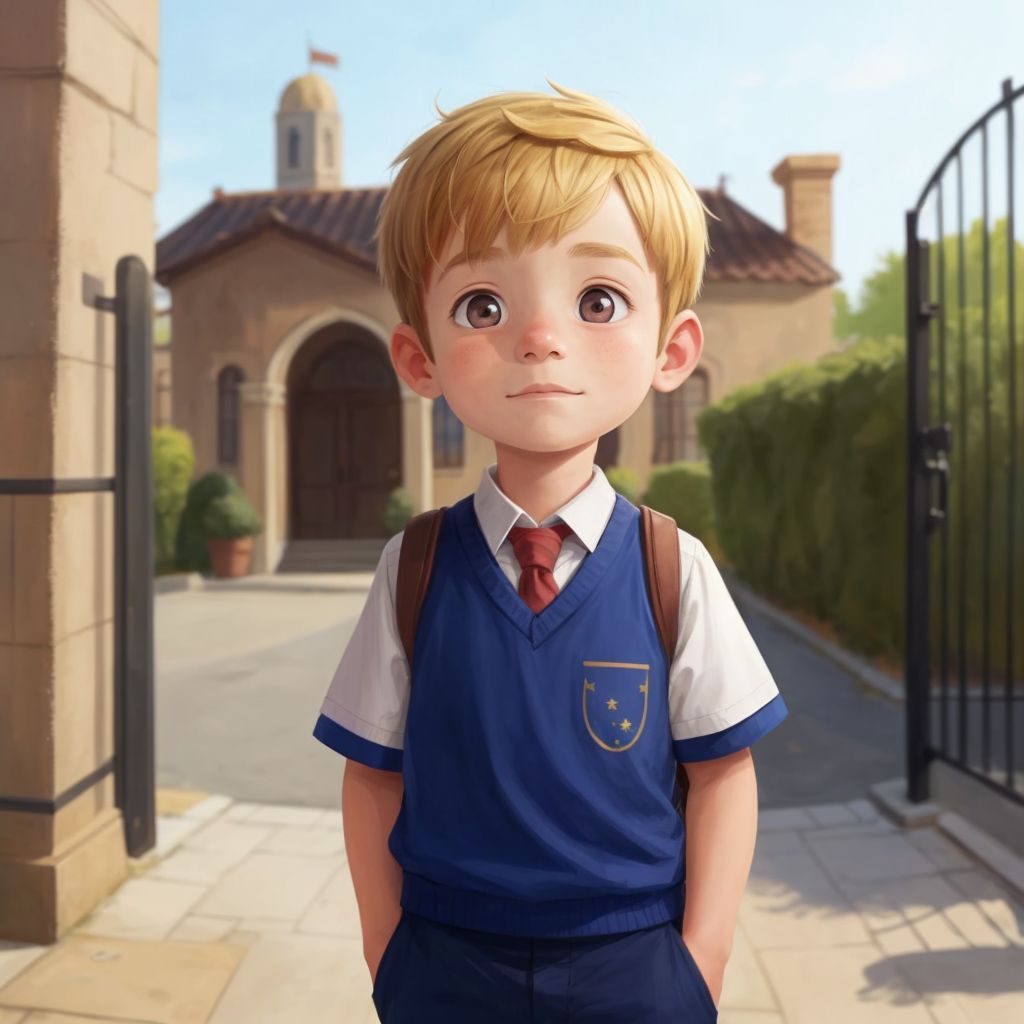
A boy is going to school. He struggles with not being the best and not making friends. He meets a girl who teaches him that he should just be himself.

brooke is 6

a story about dinosaurs for children 2-4 years old.