
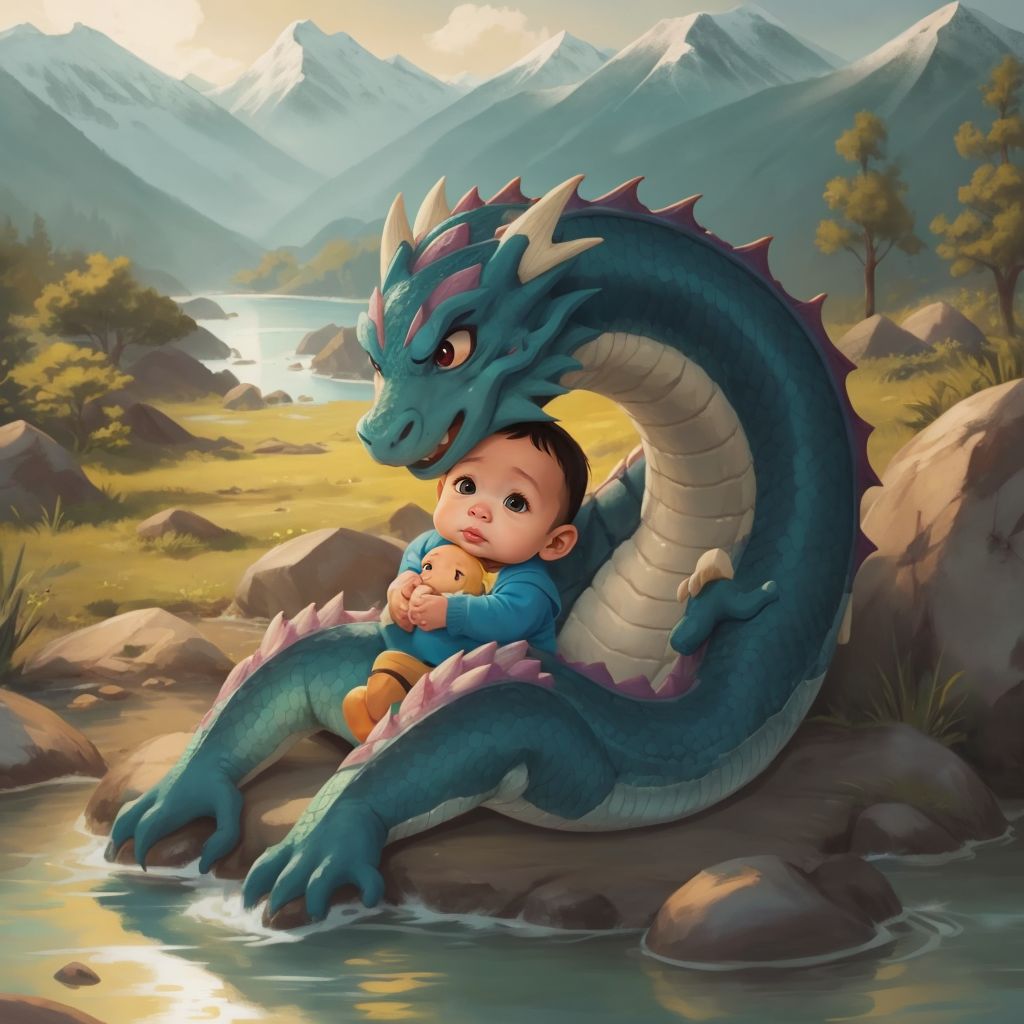
 Start Read
 Recommend

Gertie faces her fears and ends up saving the world as she does it!
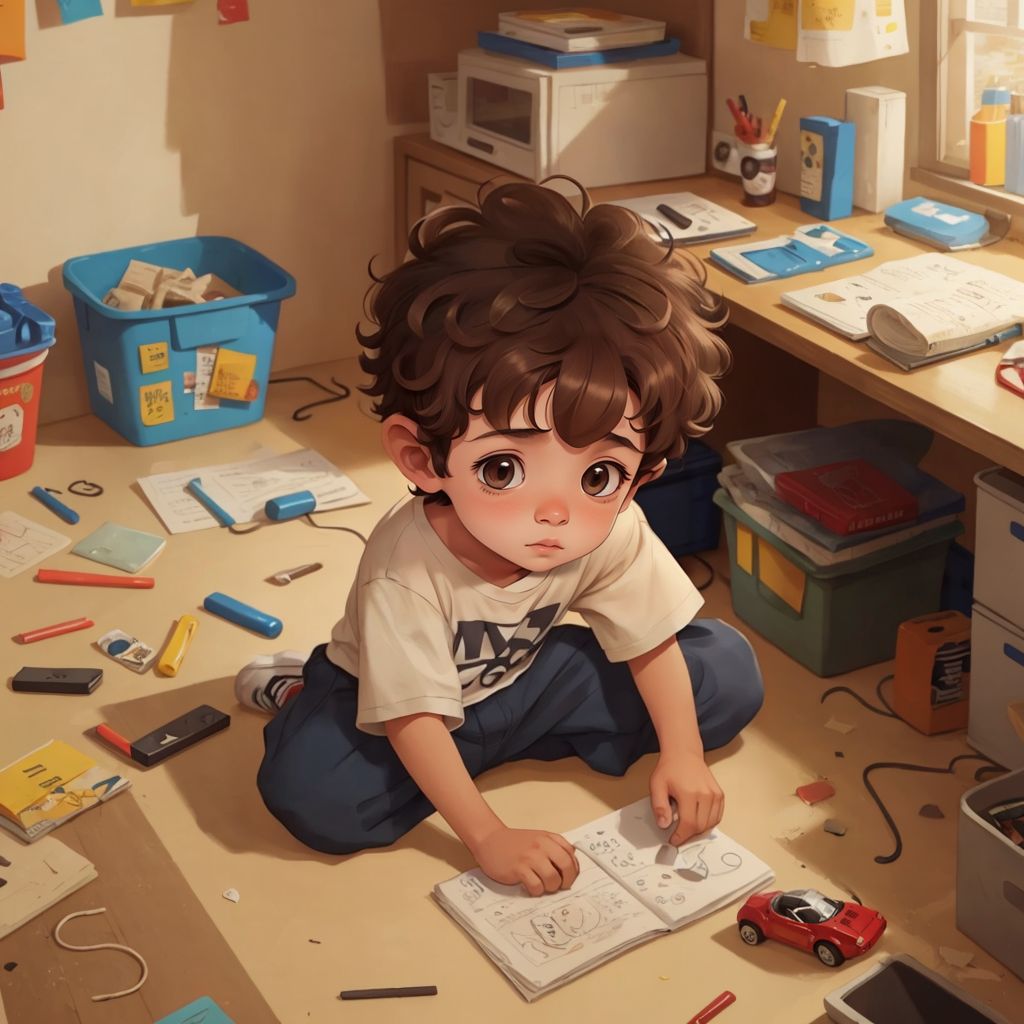
Boy realizes that he doesn't like his messy room and decides to get organized

Once upon a time, there was a little turtle named Timmy. Timmy lived in a pond with many other animals. Timmy loved to swim, but he was very shy and scared of trying new things. One sunny day, Timmy saw some frogs hopping and playing near the pond. The frogs were jumping from one rock to another. It looked like so much fun! Timmy wanted to join them but felt too scared. A kind frog named Freddy saw Timmy watching. "Hello, Timmy," said Freddy. "Do you want to play with us?" "I do," said Timmy, "but I am scared. I have never jumped from rock to rock before." Freddy smiled and said, "It's okay to be scared. We can practice together. I will help you." Timmy felt a little better. He decided to try. Freddy showed Timmy how to jump from one rock to the next. Timmy was very careful and made a small jump. He wobbled a bit but landed safely. "Great job, Timmy!" cheered Freddy. "Now, let's try another jump." Timmy tried again. Each jump made him feel braver. Soon, Timmy was jumping from rock to rock just like the frogs. He was having so much fun! By the end of the day, Timmy felt very proud. He had tried something new and discovered it wasn't so scary after all. Timmy thanked Freddy for his help. From that day on, Timmy was no longer afraid to try new things. He learned that being brave means trying even when you feel scared. Lesson: Being brave means trying new things, even when you feel scared.

Max and Luna are young adventurers and intrepid sea explorers. They own a high-tech submarine called the Sea Seeker. For a long time, they have dreamed of journeying into the Midnight Zone, a deep part of the ocean filled with astonishing wonders.
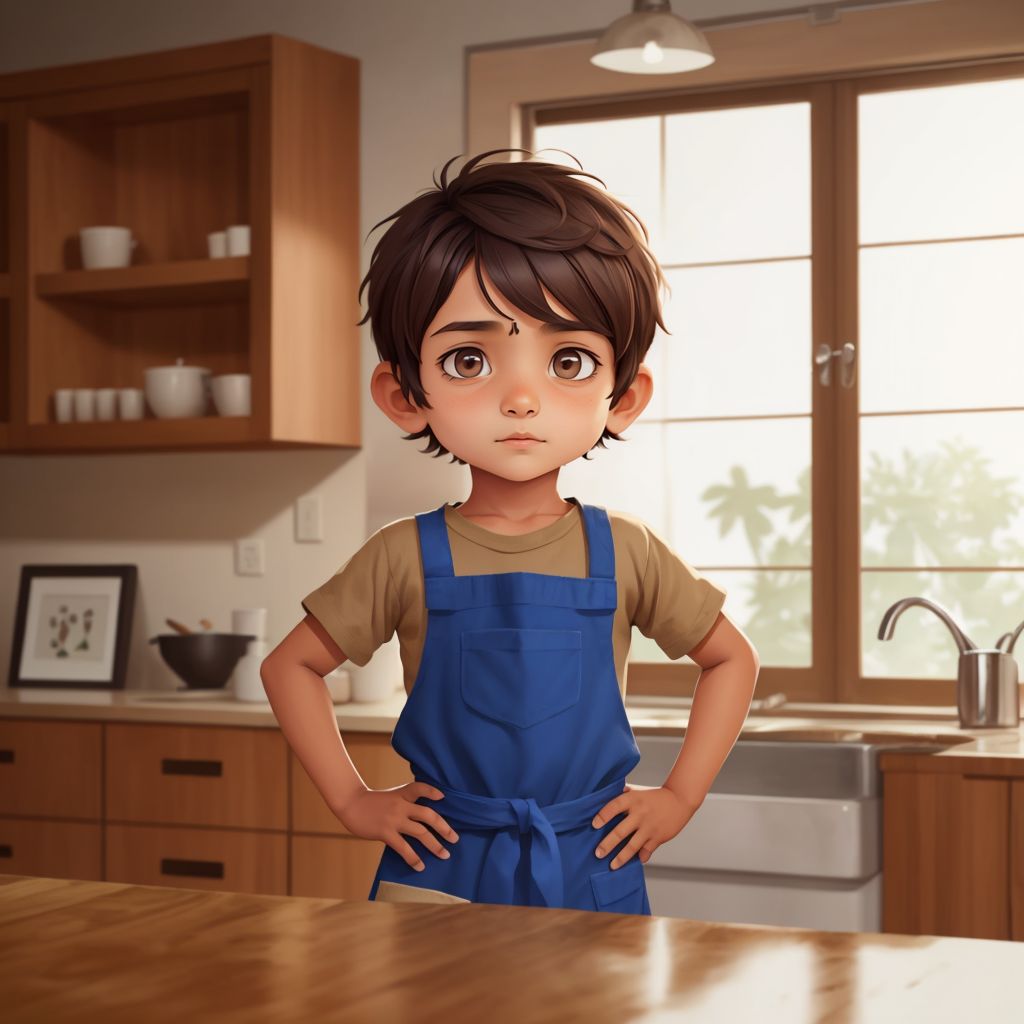
Page 1: Introduction Text: Sam was excited! Today was the day he would help his mom cook a special dinner. He put on his apron and ran into the kitchen, ready for an adventure. Illustration: Sam, smiling, wearing an apron, and entering a brightly lit kitchen with his mom smiling nearby. Page 2: Handwashing Text: "Before we start," said Mom, "we need to wash our hands!" Sam knew this was important to keep germs away. Illustration: Sam and Mom standing at the sink, happily washing their hands with soap, bubbles everywhere. Page 3: Knife Safety Text: Sam watched as Mom showed him how to use a knife safely. "Always keep your fingers away from the blade," she said. Illustration: Mom guiding Sam, who is carefully holding a plastic knife and cutting a soft banana, with his fingers safely tucked away. Page 4: Hot Surfaces Text: "The stove is very hot, Sam," Mom warned. "We have to be careful and stay back." Sam nodded, remembering never to touch the stove. Illustration: A bubbling pot on the stove, with Sam standing a safe distance away, eyes wide with interest. Page 5: Cleaning Up Text: After cooking, it was time to clean up. Sam wiped the counters and washed the dishes, knowing that a clean kitchen was a safe kitchen. Illustration: Sam with a cloth, happily wiping the counter, and a dish rack filled with clean dishes. Page 6: Sharing the Meal Text: Dinner was ready! Sam felt proud of his work. As they sat down to eat, Mom smiled and said, "Great job, Sam! You were safe and careful." Illustration: Sam and his family sitting at the dinner table, enjoying the meal they prepared together. Page 7: Reflection Text: Sam learned a lot about kitchen safety. He knew that by following the rules, he could have fun cooking and stay safe. Illustration: Sam thinking about what he learned, with a thought bubble showing him washing hands, cutting safely, and cleaning up.

A golden retriever helping a boy in a storm.
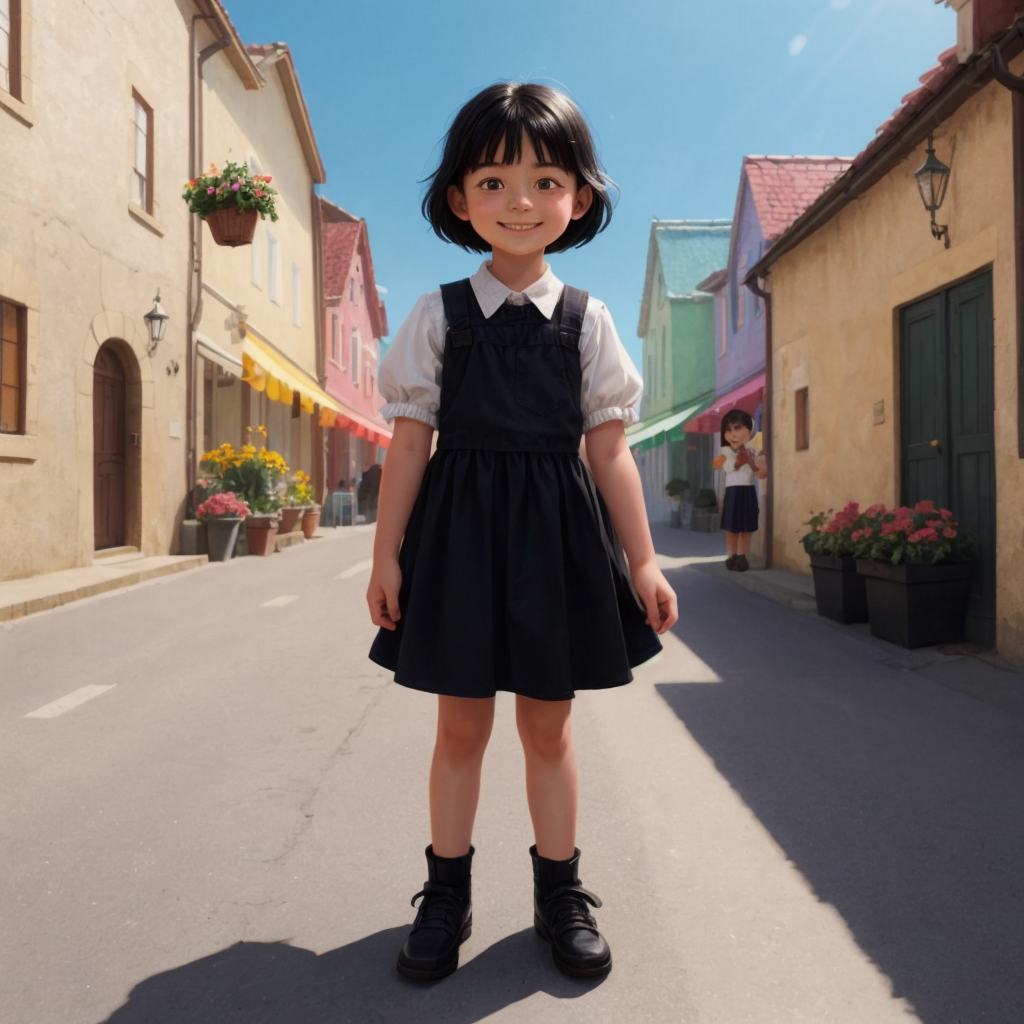
Marry and her mom went to the market. They counted one to five stalls. They got big, red apples - one, two, three in the basket. Then, they chose four juicy oranges and a small, green banana, making it five fruits. At another stall, they saw six red tomatoes, seven yellow peppers, and eight green cucumbers. They paid at the checkout for nine items in total. With a smile, they left the market and talked about the ten colorful fruits and veggies they bought. It was a happy day for Lily and her mom.

Nash playing a prank on a neighbor, possibly hiding behind a bush and laughing while his neighbor looks confused or upset.
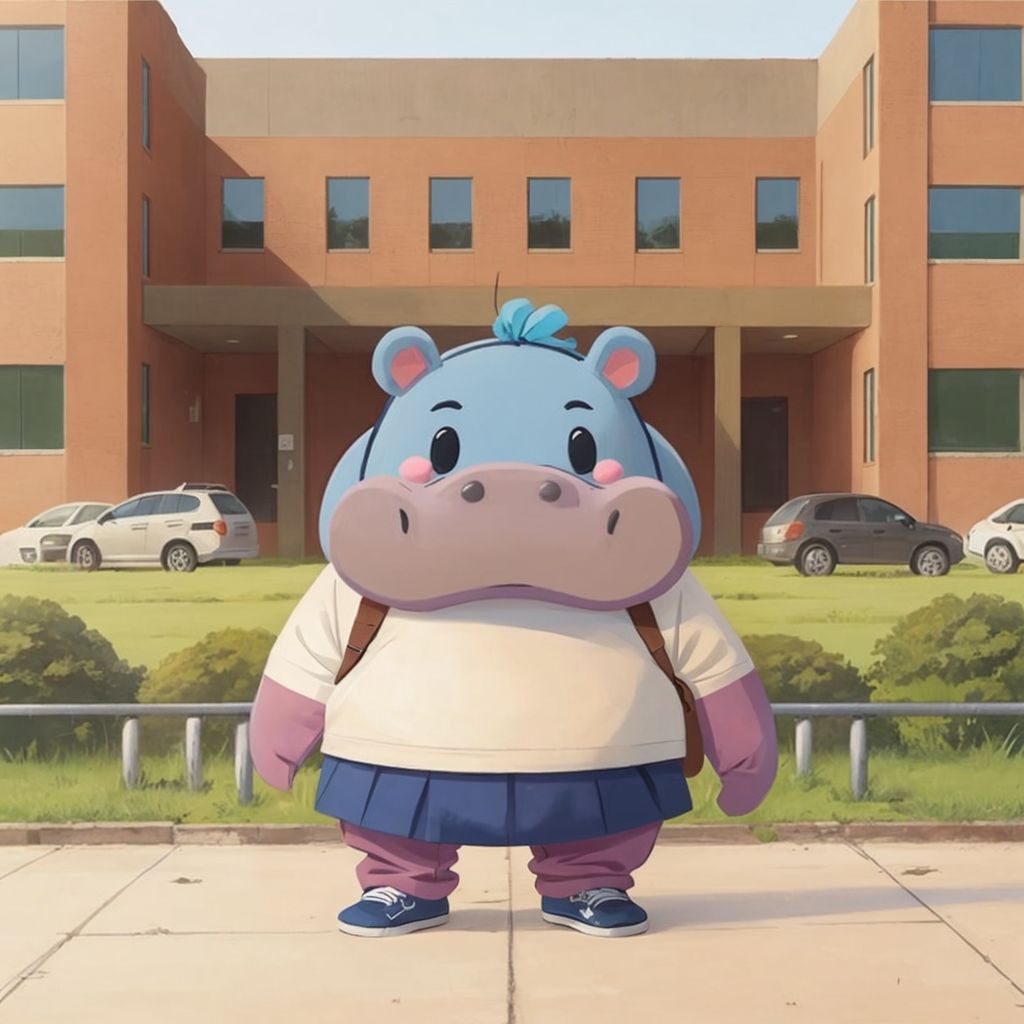
1. it was rose first day of a new school 2. rose was nervous walking into a new school 3. rose could see some of the other kids laughing and pointing at roses clothes 4. rose lived on a farm and her family didn't have much money 5. rose quickly felt sad and down 6. rose remembered the song her grandmother sings to her 7.the positive song: NEVER SAY NEVER NEVER GIVE UP I CAN DO THIS I GOT THIS I’M SMRAT POSITIVE IS THE BEST! NEVER SAY NEVER! NEVER BACKDOWN NEVER WHAT NEVER GIVE UP!
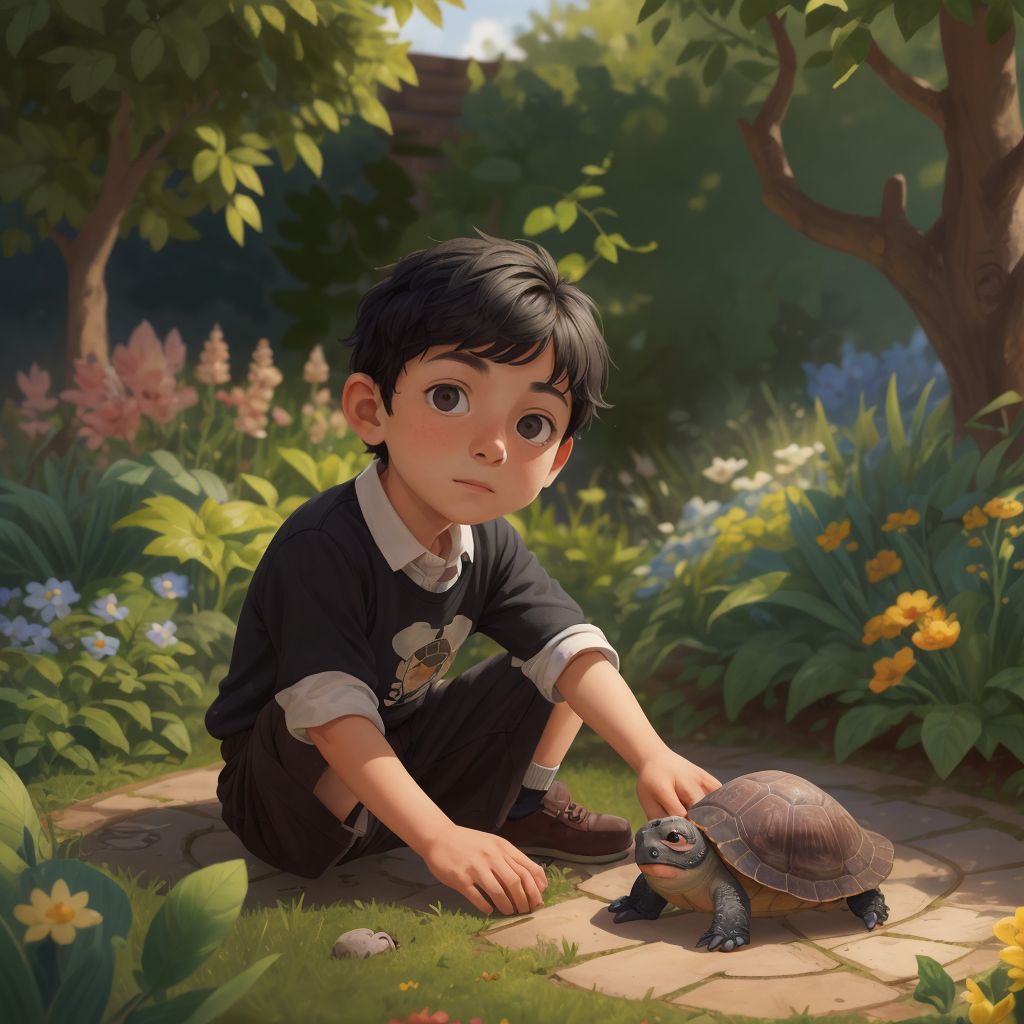
Once upon a time, in a village filled with curious creatures, a young rabbit named Robbie stumbled upon a rusty nail. Wise old Theo warned him of tetanus, a dangerous germ that could make him sick. Robbie learned to handle sharp objects with care and spread awareness to keep his village safe. Thus, "Robbie's Tetanus Tale" began, teaching the importance of caution and wisdom.

This is the Last day in Mr.C’s Class. Using the lessons learned during Mr.C's Class,Venus encounters a mystical mermaid who teaches her the importance of kindness and empathy as she dives into the ocean of 5th grade friendships.

A book about a shepard girl named sophie and all of her friends Oliver, and Matthew as they witness Jesus's birth

A book for kids

1. A pug is on an adventure through the snow to find a lost shiba inu 2. The adventure will go through mountains, rivers and fields 3. The pug fights off coyotes 4. The pug finds the shiba inu in a castle 5. They celebrate with steaks

Instruction: 1. illustration very simple During the Civil War, the Transcontinental Railroad aimed to link the U.S. coasts. The Central Pacific Railroad started in Sacramento, CA, employing Chinese laborers, and the Union Pacific in Omaha, NE, with Irish immigrants, Civil War veterans, and freed slaves. Up to 20,000 Chinese workers joined, including 12-year-old Li Wei and his father, who faced discrimination with lower pay and no food or housing. The work was extremely dangerous, with rockslides, explosions, and avalanches, especially in the Sierra Nevada, where workers faced harsh winters and isolation. Sadly, Li Wei’s father died in a rockslide. In 1867, Li Wei and many Chinese workers went on strike for better pay and conditions, but saw limited success. Tensions rose with Native American tribes, like the Cheyenne, who derailed a train near Plum Creek, NE, reflecting the challenges of westward expansion. Despite these struggles, progress continued. On May 10, 1869, the railroad was completed at Promontory Summit, UT, marking a new era in American transportation. Afterward, Li Wei and others faced discrimination in finding work and often lived in isolated Chinatowns. On October 24, 1871, violence erupted in Los Angeles’ Chinatown, killing 19 Chinese, including Li Wei’s friend. In 1875, grieving, Li Wei returned to China. The Transcontinental Railroad was transformative, yet costly for Chinese workers who made up most of the Central Pacific workforce. Facing discrimination and hazardous conditions, they were key to the railroad’s completion. Over 1,200 Chinese workers died, highlighting their sacrifice. Despite advancing U.S. infrastructure, they encountered ongoing hostility and laws against them. Their resilience underscores their overlooked role in shaping 19th-century America.

Beginning: A young student (or the whole class) notices their teacher’s tattoos and starts wondering why an adult would have drawings on their skin. Some kids might think it's cool, while others may have been told that tattoos are bad or scary. Tattoos are art and a form of self-expression. Everyone has different ways of telling their story. Judging others based on appearances is not fair. Creativity comes in many forms—books, paintings, music, and even tattoos! Diversity makes the world a more beautiful place Middle: The teacher shares the meaning behind some of their tattoos—maybe one represents family, another is a favorite book character, and another is a beautiful design they loved. They explain that tattoos are like artwork on skin, just like paintings in a museum or illustrations in a book. The students begin to see tattoos in a new way and start thinking about what kind of art or stories they would want to express. End: The class embraces the idea that tattoos are just another way of sharing stories and creativity. Maybe the students create their own “tattoos” with washable markers or drawings on paper, designing artwork that represents their favorite things. The book ends with the teacher reminding them that everyone expresses themselves in different ways, and that’s what makes the world colorful and exciting!
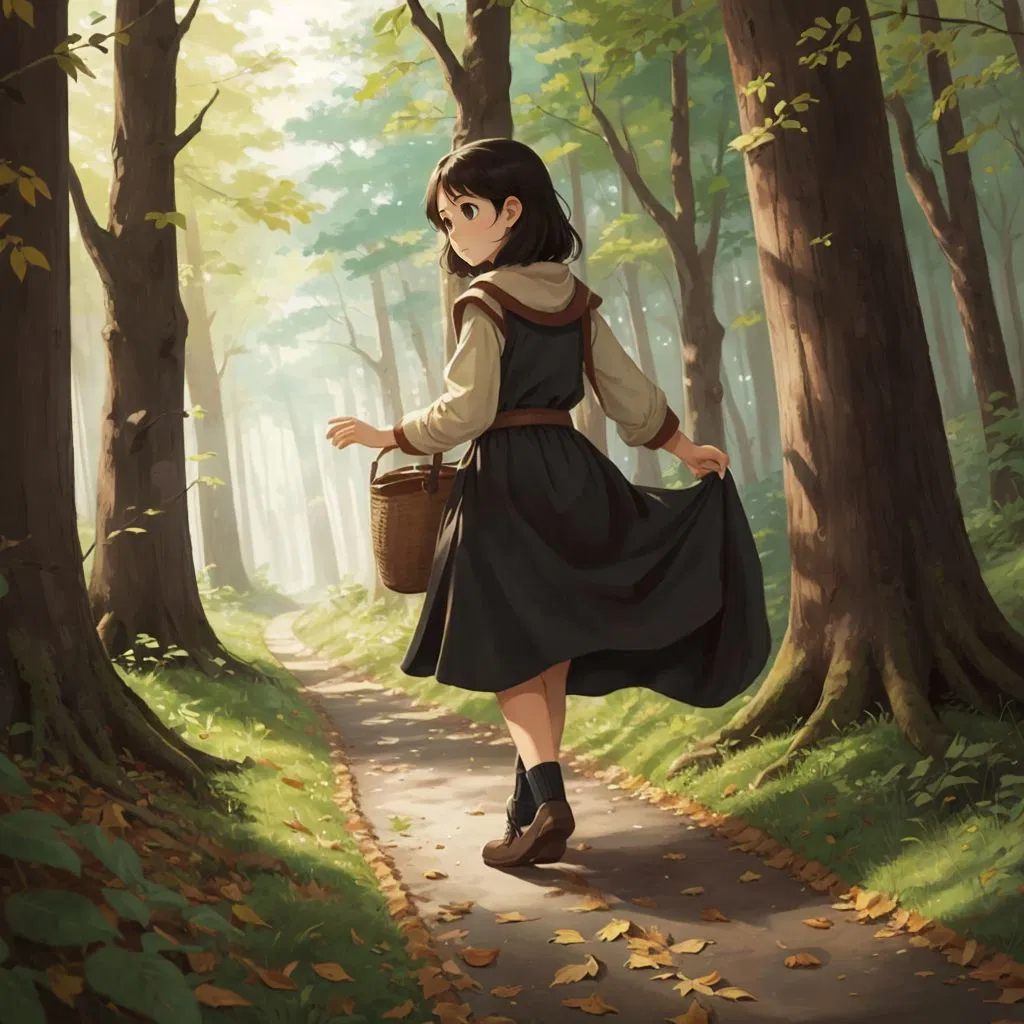
Amelia returns to the forest, a place steeped in the memories of her grandfather and the fireflies he loved. The clearing is now dark and empty, but Amelia's visit unlocks a hidden world of secrets and adventures. She rediscovers the magic of the forest, rekindling the fireflies and bringing back the dreams her grandfather shared.

MI PAPÁ ME HA LLEVADO EN MOTO A DAR MI PRIMERA CLASE DE PÁDEL CON UN MONITOR NUEVO. YO LO LLEVO TODO LISTO, LA PALA NUEVA, LA ROPA Y LAS ZAPATILLAS ESPECIALES. ALLÍCONOCERÉ A NIÑOS Y NIÑAS DE MI EDAD QUE TAMBIÉN EMPIEZAN COMO YO, EN LAS CLASES Y ESTARÁN NERVIOSOS. LAS CLASES SERÁN EN UN CLUB CON MUCHAS PISTAS, UNAS AL AIRE LIBRE Y OTRAS CUBIERTAS.
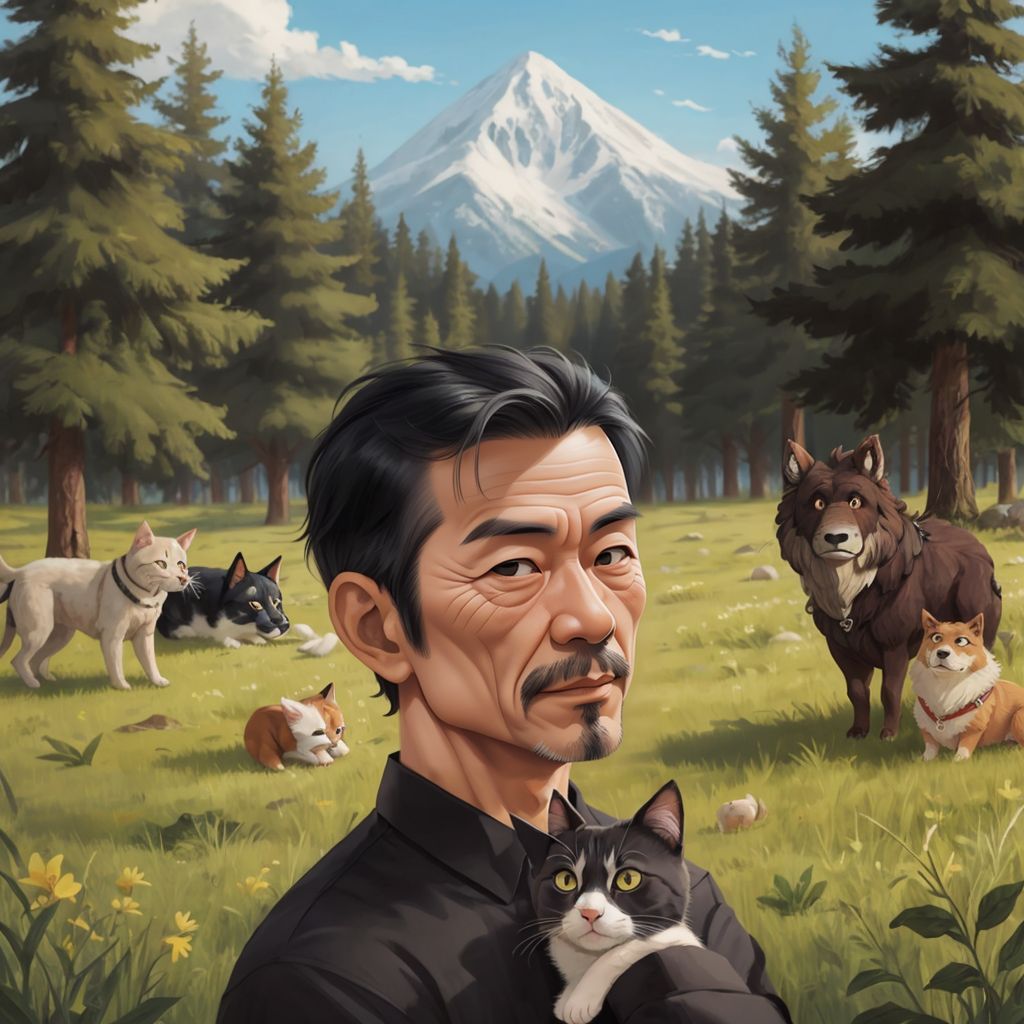
"He strangled, strangled my cat! You wretched dog, son of a dog!— The shopkeeper gets angry, Grabs whatever is close at hand, And strikes the dog right on the forehead, Tossing it next to the cat. — Oh no! My lion of a dog, My livelihood, my place, my home! May your house crumble, you shopkeeper! Heartless, rude, evil, this and that, How dare you hit my dog! Well, now you’ll see what it’s like to be hit... Our giant yells, Lifts his large staff, Swings it back and brings it down, Knocking the shopkeeper to the floor by the doorstep. — Murder! Help! From neighborhood to neighborhood, from house to house, One person calls to the next: — Help! He’s been murdered! From the upper neighborhood, from the lower neighborhood, From the road, from their work, Crying and wailing, Screaming and shouting— Men and women, Sisters and brothers, Wives and children, Friends and fellows, Mothers-in-law, fathers-in-law, Godfathers and their sons, Uncles and grooms... Who knows who else, They come, and they keep coming. Whoever arrives, swings and strikes: — You brute! You savage! How could you do such a thing? Did you come here to trade, Or to murder someone at your doorstep? Some say he hit him ten times, Pounded him into the ground, Leaving him sprawled out next to his dog. — Well, come and take your dead man away! And from there, the news spreads, Reaching the nearby village: — Hey, help us! Aren’t you alive? They’ve murdered our villager!"
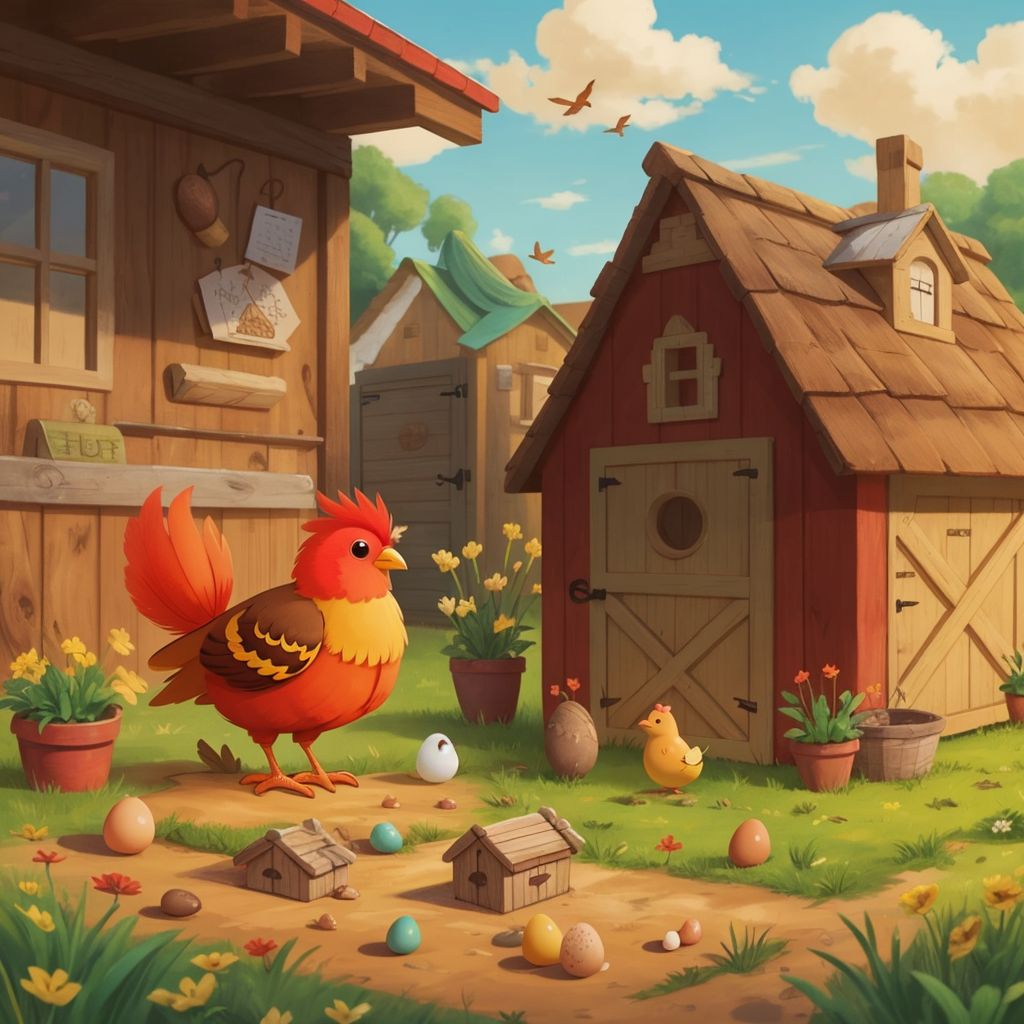
**Title: The Hen and the Egg** **Description:** In a sunny, bustling farmyard, a caring hen named Henrietta discovers a mysterious egg outside her coop. Despite a warning from her friend Sammy the Sparrow, Henrietta decides to take the egg in and care for it. When the egg hatches into a cockoo and causes chaos, Henrietta learns a valuable lesson about trust and consequences. Filled with heartwarming moments and gentle wisdom, this tale reminds young readers about the importance of listening to friends and making thoughtful decisions. Join Henrietta on her journey from sorrow to joy as she finds happiness in a new set of eggs and the promise of new beginnings.